Controversy Brews Over West Bengal's Loudspeaker Ban at Religious Sites
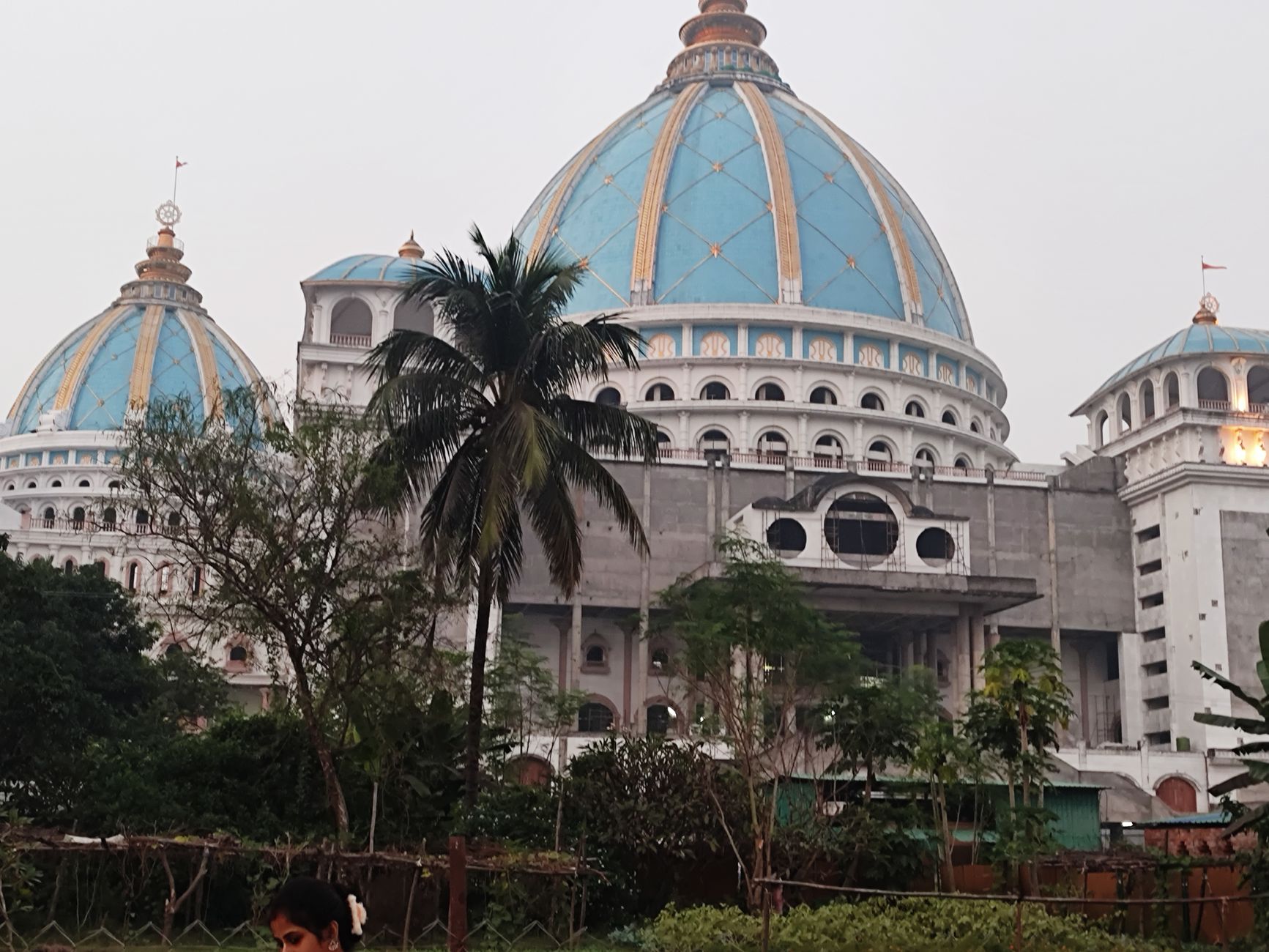
In the vibrant and often tumultuous arena of Indian politics, West Bengal has once again found itself at the centre of a storm. The state's decision to ban loudspeakers at religious sites has sparked a fierce debate, highlighting the perennial tension between public order and religious freedoms.
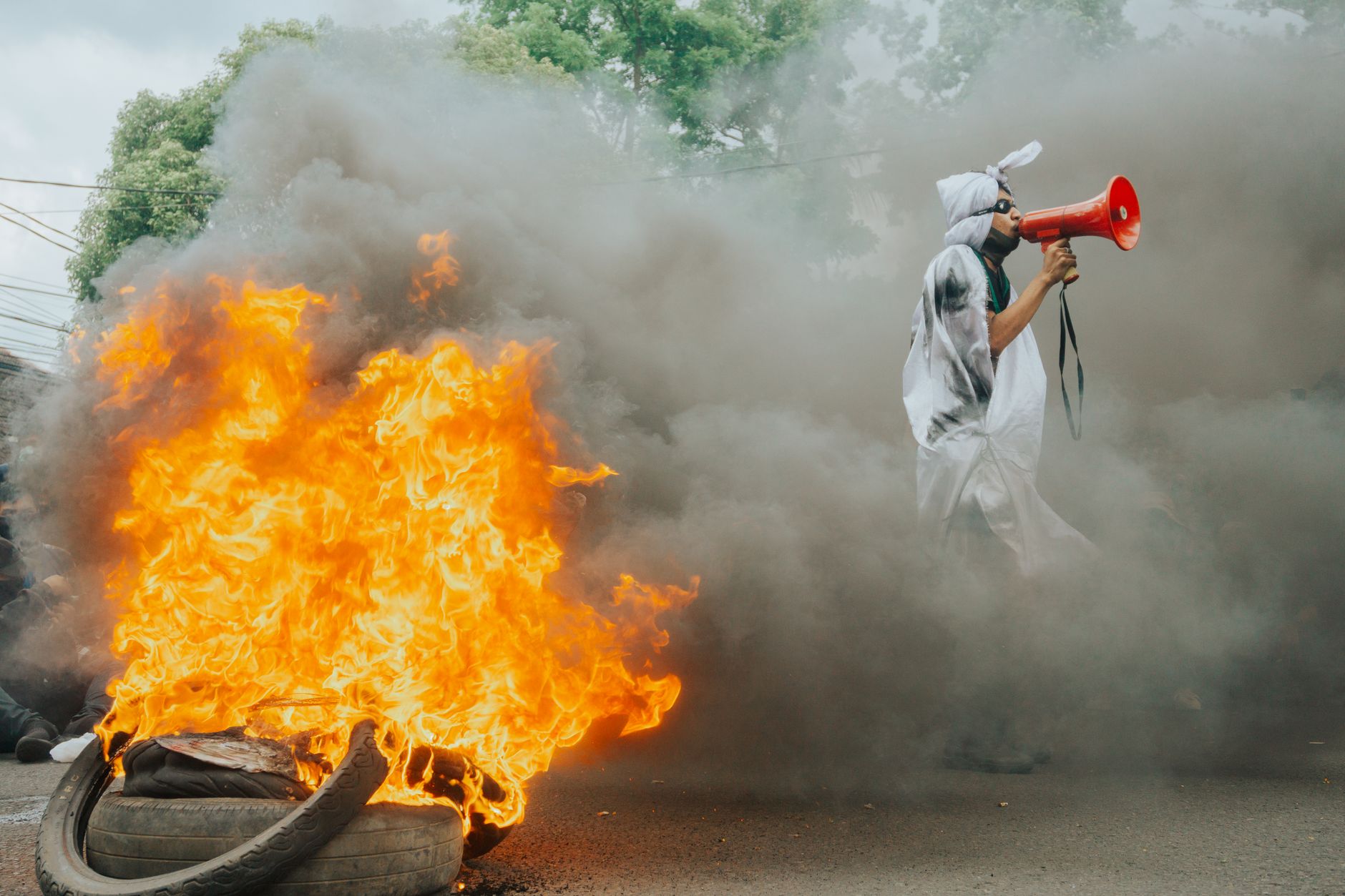
The state government, led by the Trinamool Congress, implemented the ban as part of its broader initiative to combat noise pollution, a growing concern in urban centres. However, this decision has not been without its detractors. Political leaders, particularly from opposition parties, have been quick to voice their disapproval. They argue that the ban encroaches upon the fundamental right to religious expression.
Political Reactions
The Bharatiya Janata Party (BJP), the principal opposition in the state, has been particularly vocal, accusing the ruling party of selectively targeting religious practices. "This is an attack on religious freedom," declared a BJP spokesperson, adding that the ban disproportionately affects certain communities.
Meanwhile, leaders within the Trinamool Congress have defended the decision, citing the need for peace and quiet in densely populated areas. "This is about ensuring a peaceful environment for all," a government official stated, insisting that the rule applies uniformly across all religious sites.
The Broader Implications
This controversy is not merely a local skirmish but part of a larger national discourse on the role of religion in public life. India, with its rich tapestry of faiths, often grapples with the challenge of balancing secular governance and religious pluralism. The loudspeaker ban is a microcosm of these broader socio-political dynamics.
Experts suggest that while the intention behind the ban is commendable, its implementation requires sensitivity and dialogue with affected communities. Without such engagement, there is a risk of exacerbating existing tensions rather than fostering understanding.
As the debate rages on, it is clear that West Bengal's loudspeaker ban is more than a simple regulatory measure. It is a reflection of the ongoing struggle to harmonise modern governance with the cultural and religious intricacies that define India.