Copenhagen Tops, Lahore Lags: Cities Ranked on Environmental Quality
As the world inches towards a more sustainable future, cities are increasingly under scrutiny for their environmental impact. The Oxford Economics Global Cities Index 2026 provides a revealing snapshot of which urban areas are leading the charge and which are falling behind.
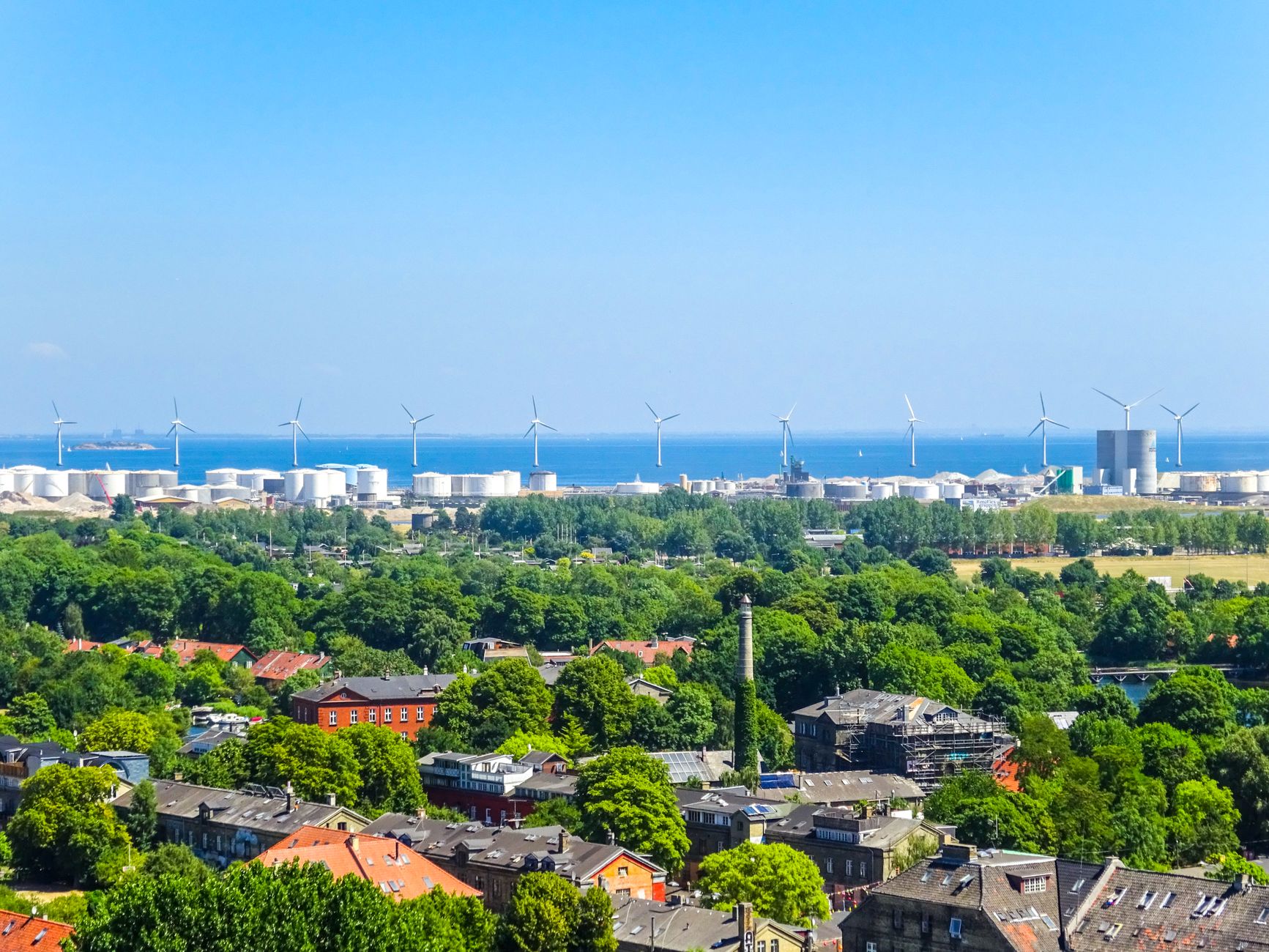
At the pinnacle of eco-conscious living is Copenhagen, Denmark. Renowned for its comprehensive recycling programme, the city ensures that over half of its waste is recycled. This feat is complemented by Copenhagen's commitment to wind power, which supplies nearly half of the city's electricity. With dedicated lanes and incentives for cycling, the city has also positioned itself as a global leader in sustainable urban transport.
Stockholm, Sweden, follows closely behind. The Swedish capital boasts an impressive 68% of its populace either cycling or walking to work. With a focus on renewable energy and stringent building standards, Stockholm maintains low CO2 emissions and enjoys some of the cleanest air among major cities.
Contrasting Realities
While European cities like Copenhagen and Stockholm set the benchmark for environmental quality, other parts of the world face stark challenges. Lahore, Pakistan, has been identified as the city with the worst air quality index, recorded at a staggering 173. This highlights a significant public health concern, underlining the urgent need for effective policies to combat pollution.
South America's urban centres, particularly in Chile, and parts of Eastern Europe are also grappling with severe pollution levels. Novi Pazar in Serbia, for instance, holds the dubious honour of having the most polluted air in Europe.
The Path Forward
The environmental rankings underscore the critical role cities play in tackling global climate issues. Urban planners and policymakers worldwide must take heed of the successes of cities like Copenhagen and Stockholm. Their efforts provide a blueprint for sustainable living, demonstrating that with the right policies and public engagement, cities can significantly reduce their environmental footprint.
As cities continue to expand, the need for sustainable development has never been more pressing. Addressing these challenges is not merely a local imperative but a global necessity.