Cosmic Particles: The Invisible Guests Passing Through Us
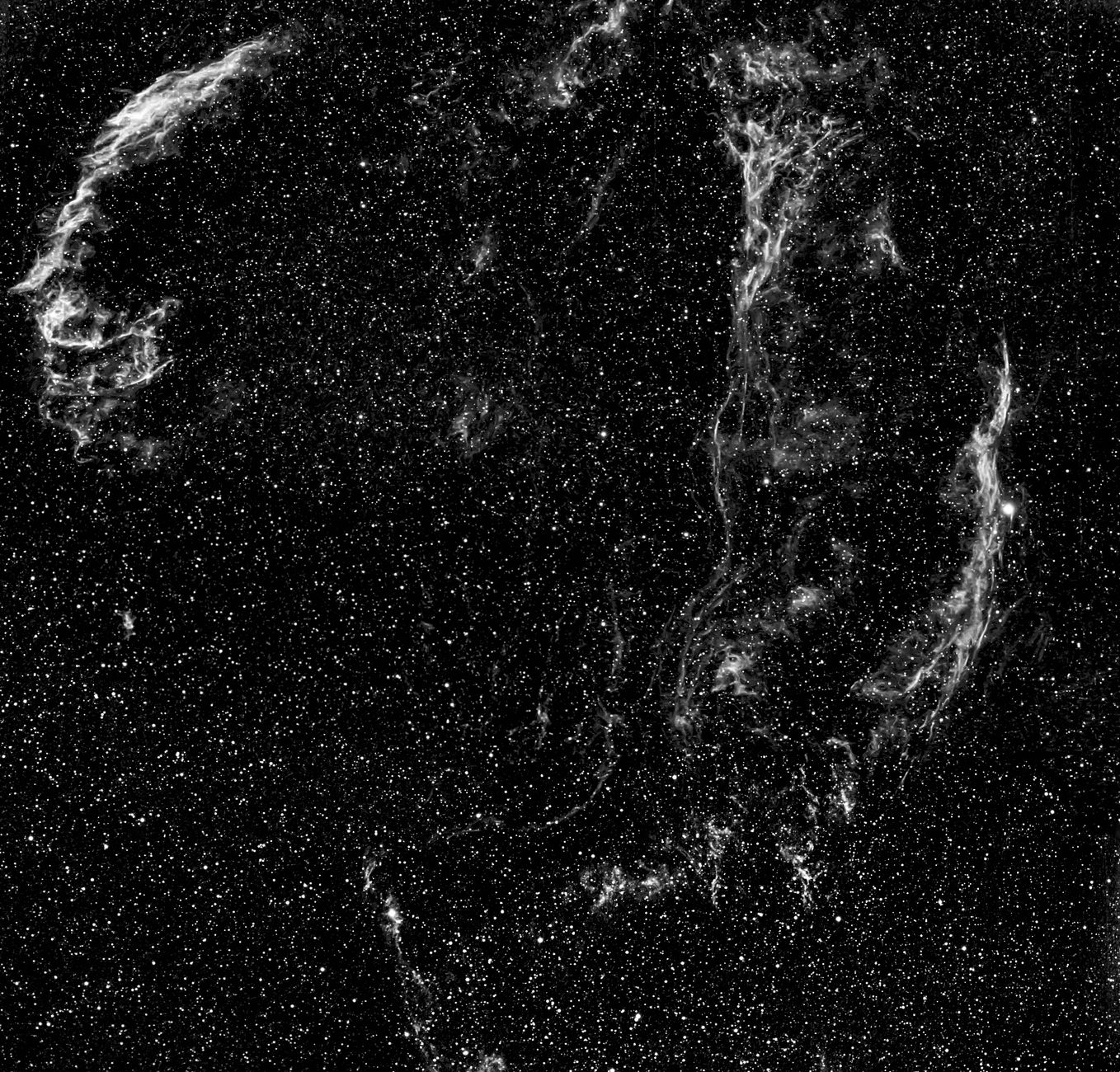
Every moment, as you read this, an invisible torrent of cosmic particles is cascading through your body. Among these are neutrinos, ghostly particles so elusive that they traverse the entirety of our planet without so much as a whisper of interaction. In fact, hundreds of billions of them are passing through you right now.
These particles are born in the universe's most extreme environments. Think supernovae, black holes, and star-forming regions—celestial phenomena that are as captivating as they are violent. From these cosmic crucibles, neutrinos are flung across the cosmos, reaching us at nearly the speed of light.
Despite their abundance, detecting neutrinos is a Herculean task. They seldom interact with matter, making them notoriously difficult to catch. This behaviour is both a testament to their ghost-like nature and a window into some of the universe's most energetic processes. The study of these particles could unlock secrets about the cataclysmic events that spawned them, potentially reshaping our understanding of the cosmos.
The Cosmic Journey
When cosmic rays—high-energy particles that travel through space—strike the Earth's atmosphere, they create a cascade of secondary particles. This cosmic shower bombards us constantly, yet we remain blissfully unaware. The sheer number of these particles is staggering. For instance, particles with energies above 1016 eV, originating from distant stars and galaxies, rain down upon us like an invisible storm.
Yet, the origins of these enigmatic particles remain a puzzle. Physicists are still unravelling the mysteries of how such energetic events come to be. What drives these cosmic occurrences? What role do neutrinos play in this grand celestial orchestra?
Why It Matters
Understanding cosmic particles is more than an academic exercise. It is a quest to decipher the language of the universe. As we develop more sophisticated detection methods, the hope is that these particles will illuminate the dark corners of the cosmos, revealing the hidden forces that shape our universe.
In the meantime, as we go about our daily lives, the universe continues its silent dialogue with Earth through these cosmic messengers. We may not feel them, but they are a reminder of the vast and dynamic universe we are a part of.