Court Criticises Greed Amid Kashmir Willow Crisis
In a ruling that highlights the pressing environmental and legal challenges facing Kashmir, the Jammu and Kashmir High Court has ordered the immediate release of over 6,000 willow wood clefts and a transport vehicle. Justice MA Chowdhary's decision underscores the necessity of a criminal conviction before private property can be confiscated.
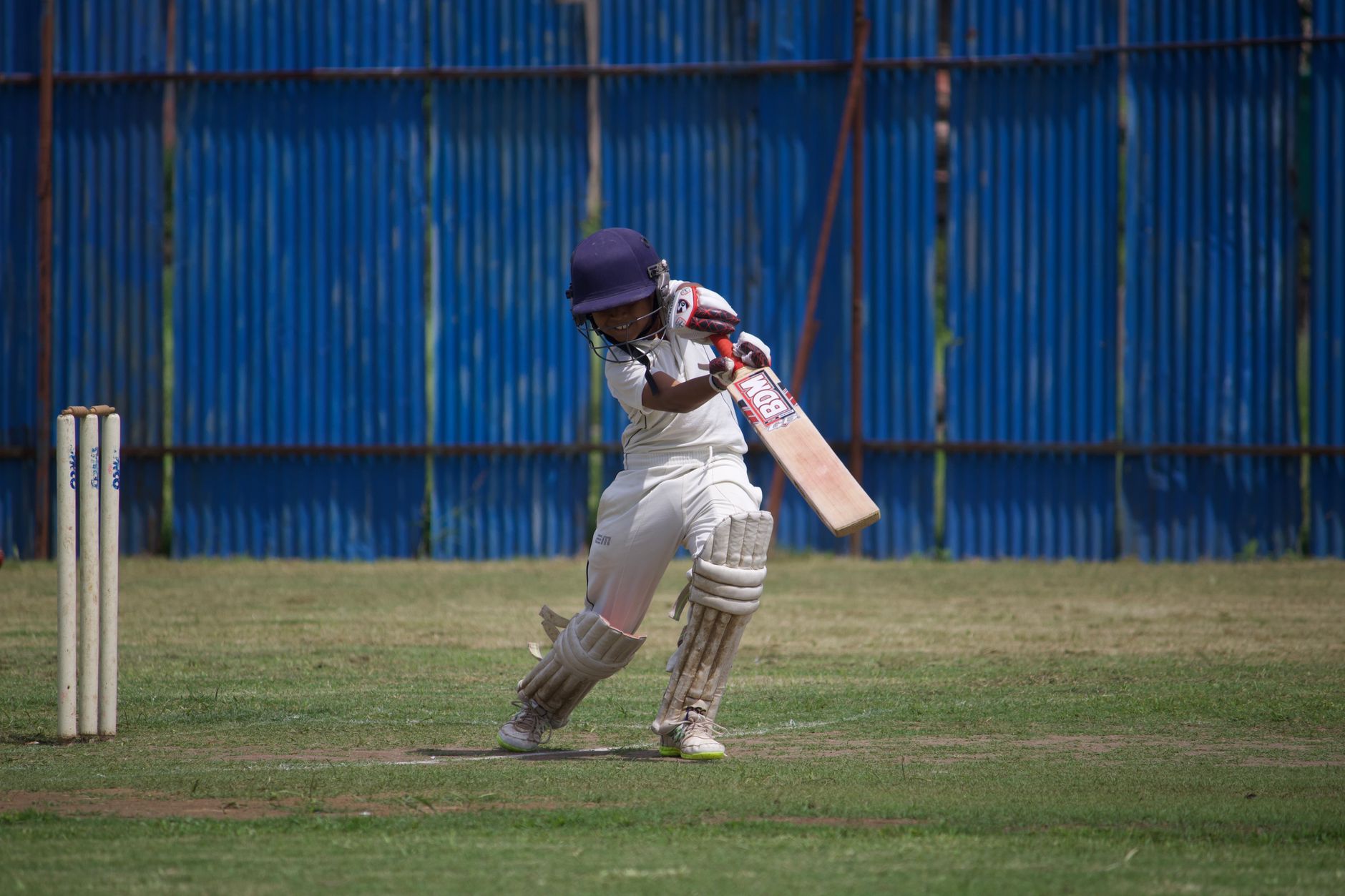
The judgment comes at a time when Kashmir's renowned willow cricket bat industry is struggling with severe shortages due to environmental degradation and unlawful smuggling. The court's decision not only addresses procedural flaws but also draws attention to the rampant greed threatening the region's fragile ecosystem.
Legal and Environmental Implications
The court's ruling, which found fault with the administrative order to seize the willow clefts, reflects a broader issue of adhering to due process. According to the J&K Forest Act, confiscation of non-government property necessitates a conviction, a procedure overlooked in this case.
Beyond the legal intricacies, the decision shines a spotlight on the environmental depletion plaguing Kashmir. The iconic Salix alba, vital for manufacturing cricket bats, is increasingly scarce as climate change and land use shifts exacerbate the situation. The local ₹700-crore industry, essential for many livelihoods, faces an uncertain future as resources dwindle.
Industry at a Crossroads
Manufacturers have been vocal about the pressing need for government intervention. Stricter enforcement against illegal trade and measures to bolster sustainable practices are urgently required. The court's decision is a reminder of the delicate balance between economic pursuits and environmental stewardship.
As the world grapples with ecological crises, Kashmir's predicament is a microcosm of global challenges. The fight against greed and for environmental preservation continues, with legal rulings like this one serving as critical touchstones.