Court Directives on Environmental Issues: Key Orders from September 2, 2026
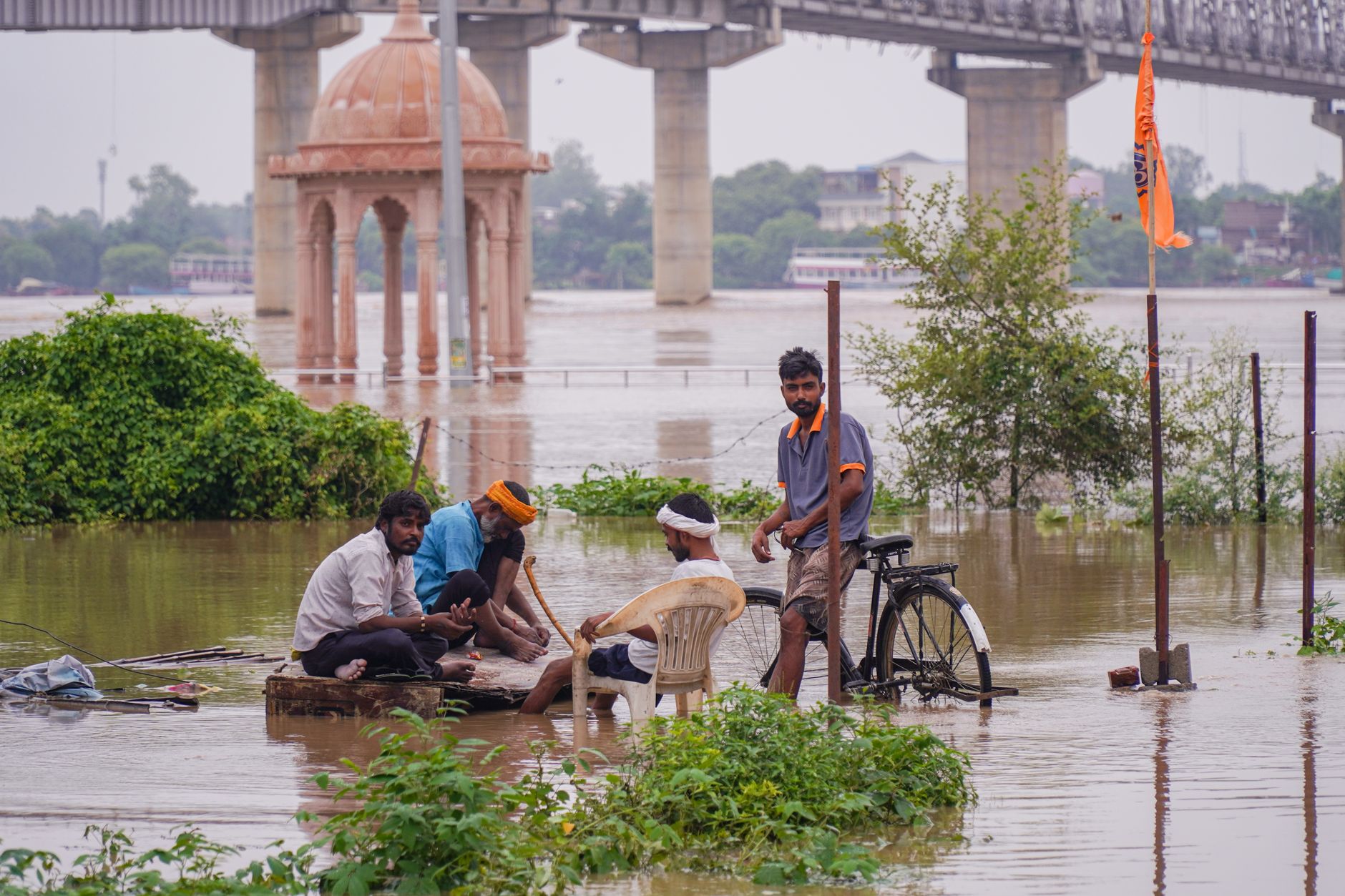
In a significant development, the National Green Tribunal (NGT) has mandated the Irrigation and Water Resources Department of Uttar Pradesh to furnish a comprehensive progress report on its flood control initiatives by 11 December 2026. This directive, issued on 1 September 2026, aims to ensure that the efforts to mitigate flood risks in the region are on schedule and effective.
The NGT's decision comes in the wake of increasing concerns over the state's vulnerability to monsoonal floods, which pose a perennial threat to lives and livelihoods. The tribunal's insistence on a detailed report underscores its commitment to holding governmental bodies accountable for environmental management.
Action in Tamil Nadu
Simultaneously, the Madras High Court is pressing the Tamil Nadu government to address the issue of unregulated resorts, a matter that has been languishing in the courts for some time. On March 17, 2026, the court ordered the state to take decisive action against 42 resorts that have been encroaching upon ecologically sensitive areas. These establishments are accused of violating environmental norms and contributing to the degradation of local ecosystems.
The court's orders reflect a broader judicial trend towards proactive environmental governance in India. As environmental challenges mount, the legal framework is becoming increasingly pivotal in safeguarding the nation's natural resources.
Why This Matters
These court orders are far from mere bureaucratic formalities; they represent a critical intervention in the ongoing battle against environmental degradation. The judiciary's role in scrutinising governmental actions and enforcing compliance with environmental laws is vital for sustainable development.
As India grapples with the twin challenges of economic growth and environmental sustainability, such judicial interventions could serve as a catalyst for more robust policy implementation and public accountability. The path forward requires not only judicial vigilance but also an integrated approach involving all stakeholders, from local communities to governmental agencies.