
Court Intervenes: Malwa Canal Land Acquisition on Hold
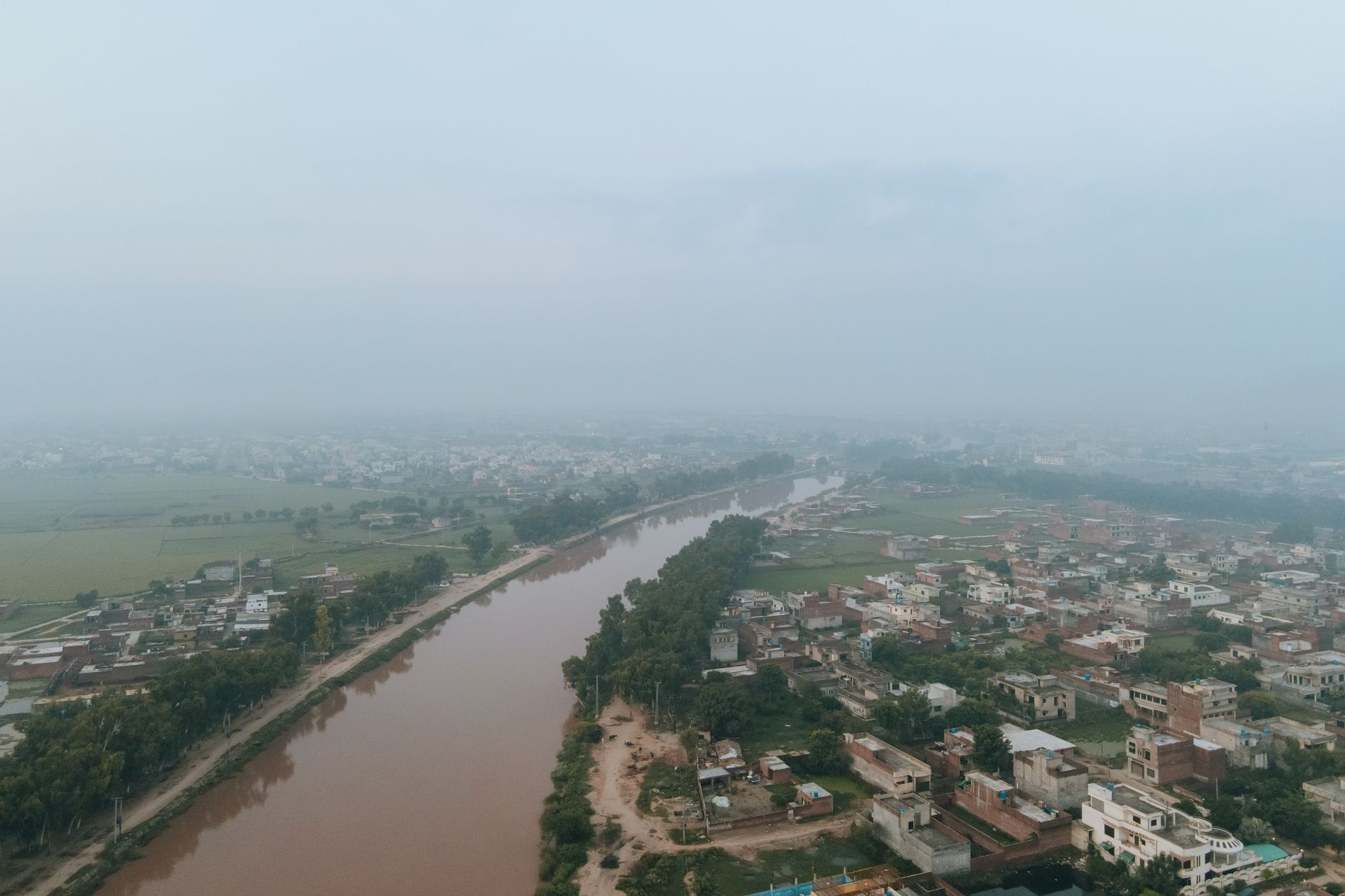
The Punjab and Haryana High Court, in a move echoing environmental caution, has placed a temporary halt on land acquisition proceedings for the ambitious Malwa Canal project. As the government's flagship ₹2,300 crore initiative aimed at tackling water scarcity in Punjab, the canal's future now hinges on an environmental impact assessment (EIA) yet to be finalised.
Spanning 149 kilometres, the Malwa Canal promises to transform the region's irrigation capabilities. However, the court's decision highlights the growing tension between development and environmental stewardship. Concerns have been raised about the potential impact on local ecosystems, particularly the forested areas that stand to be affected by the canal's construction.
Environmental Concerns Take Centre Stage
The court's intervention comes amidst increasing scrutiny of infrastructure projects and their ecological footprints. The necessity for an EIA underscores the importance of balancing developmental goals with environmental preservation. With approximately 552.42 acres initially acquired for the project, the additional land acquisition has now been put on hold.
Punjab's water challenges are well-documented, and the Malwa Canal is seen as a crucial step towards addressing these issues. Yet, environmentalists argue that the long-term impacts on biodiversity and local habitats warrant a thorough investigation before proceeding further.
The Path Forward
While the court's order stalls immediate progress, it also provides an opportunity for a more measured approach to development. The EIA will not only assess the potential environmental impacts but also propose mitigation strategies to minimise harm to the region's natural resources.
This pause presents a moment of reflection for policymakers, who must weigh the immediate benefits of improved irrigation against the potential for irreversible ecological damage. As the EIA process unfolds, stakeholders remain hopeful that a balanced solution can be found, one that satisfies both developmental ambitions and environmental responsibilities.


