
Court Mandates Groundwater Compensation: A New Environmental Precedent
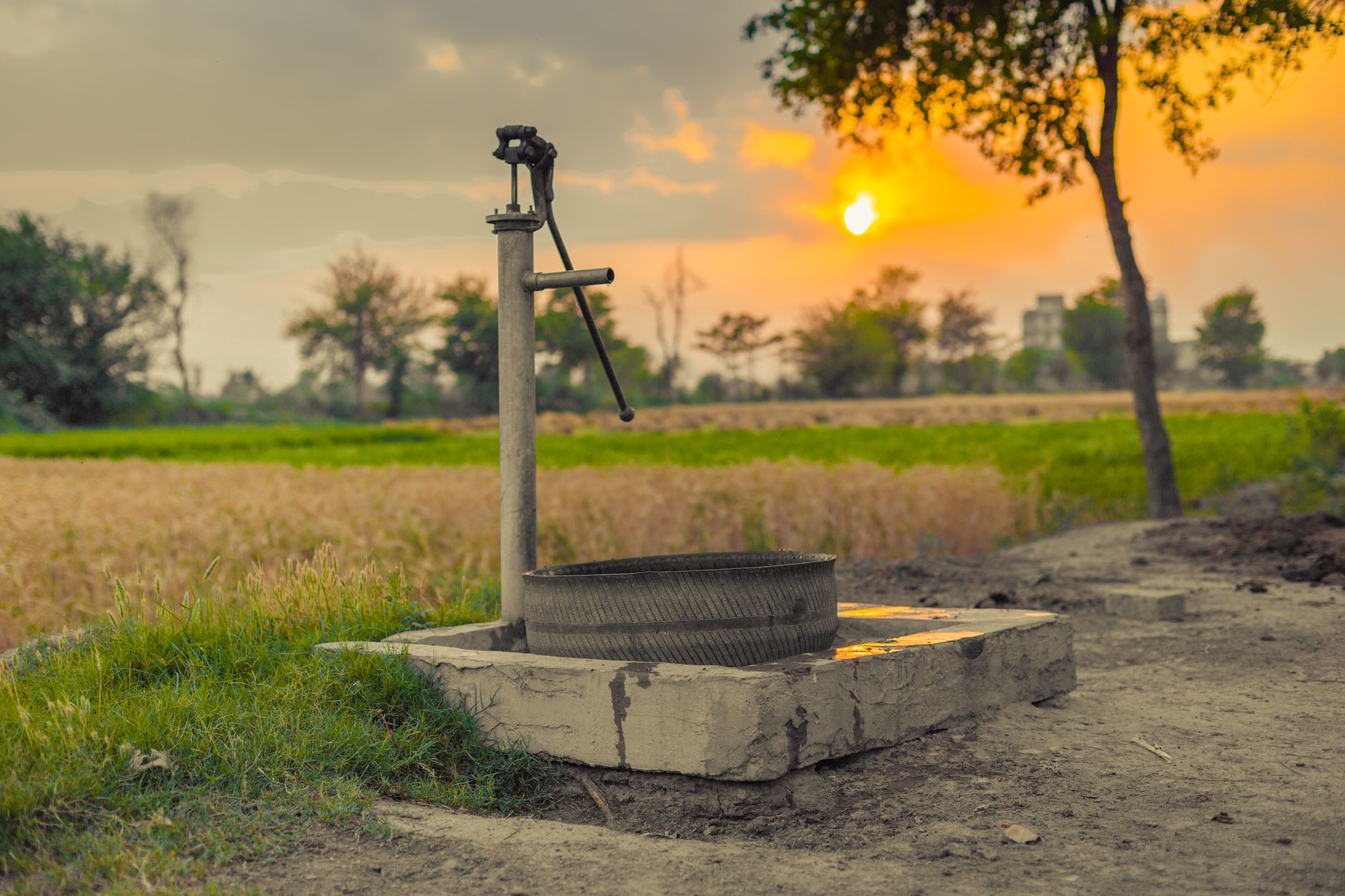
The courtroom, often a bastion of dramatic legal orations, became a theatre for environmental activism as a landmark order was pronounced earlier this week. On 7th September 2026, the court decreed the imposition and recovery of environmental compensation for the illegal extraction of groundwater—a decision that could set a significant precedent for future environmental litigation.
The issue at hand involves a committee, established under the directive of the National Green Tribunal (NGT) back in 2019. Comprising the Central Pollution Control Board and the Maharashtra Pollution Control Board, the committee was tasked with inspecting the affected plant and its surrounding areas. Their mandate was clear: assess the environmental damage and propose compensation.
This recent order, which mandates the recovery of compensation, is not merely an isolated incident. It is part of a broader narrative of judicial intervention in the realm of environmental governance. As climate change looms large and natural resources dwindle, the judiciary's role as an enforcer of environmental accountability is more pronounced than ever.
Despite its immediate ramifications, the case is far from concluded. The court has slated the next hearing for 27th November 2026. This adjournment provides a window for stakeholders to deliberate on compliance mechanisms and ensure that compensatory measures are effectively implemented.
Critics argue that while such judicial orders are necessary, they must be accompanied by robust enforcement mechanisms to truly make a difference. Without stringent oversight, they warn, such mandates risk being yet another well-intentioned but ineffectual decree.
As the world grapples with the consequences of environmental negligence, this court order serves as a reminder of the pressing need for systemic change. The groundwater case is a microcosm of the larger struggle to balance economic development with environmental sustainability. Observers will keenly watch the developments in November, hoping for a resolution that upholds not only the letter but the spirit of environmental justice.


