Court Orders Stir Environmental Debate Across India
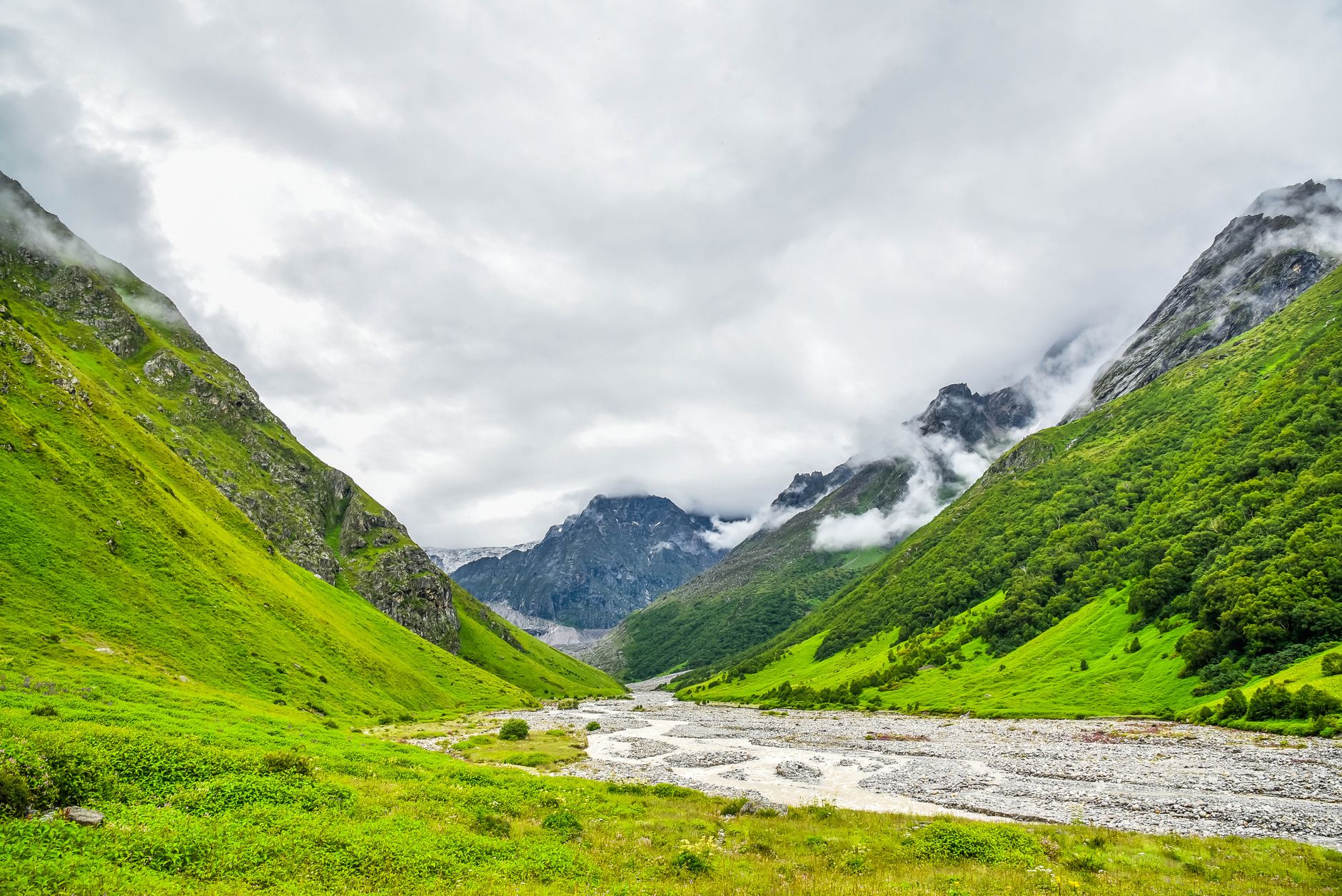
In a significant week for environmental jurisprudence, Indian courts have made a series of crucial decisions poised to shape the future of ecological conservation and urban development. On July 16, the Supreme Court underscored the need for a meticulous survey of the Jilling Estate in Uttarakhand's Nainital district. This assessment will determine if the construction of a five-star hotel and resort is permissible, setting a precedent for future developments in ecologically sensitive areas.
The Jilling Estate, renowned for its pristine landscapes and biodiversity, has become the epicentre of a legal tussle between conservationists and developers. Environmentalists argue that any large-scale construction could disrupt the delicate ecological balance, threatening local flora and fauna. The court's directive for a detailed survey reflects an increasing judicial awareness of the environmental costs of unchecked development.
Meanwhile, the National Green Tribunal's eastern bench has taken a firm stand on urban environmental management. On July 8, it directed the Kolkata Municipal Corporation to adhere to its December 2026 deadline for commissioning and operationalising water treatment plants. This move aims to address the city's chronic water pollution issues, which have been a source of public health concerns for years.
Balancing Progress and Preservation
These court orders highlight a broader trend in Indian environmental policy: the growing recognition of the judiciary's role in mediating between development and environmental conservation. As India grapples with rapid urbanisation, such judicial interventions are becoming increasingly critical.
The decisions also reflect a shift in public consciousness, with greater emphasis on sustainable development. As urban and industrial pressures mount, the courts are stepping in to ensure that progress does not come at the expense of the environment. This balancing act, however, is fraught with challenges, as stakeholders from various sectors vie for their interests.
Looking ahead, these rulings may serve as a bellwether for similar cases across the nation. They underscore the need for robust environmental assessments and the enforcement of existing regulations to safeguard India's natural heritage. As the country navigates its path towards economic growth, the judiciary's role in maintaining this equilibrium remains indispensable.