Courts and Climate: The Fight for Environmental Rights
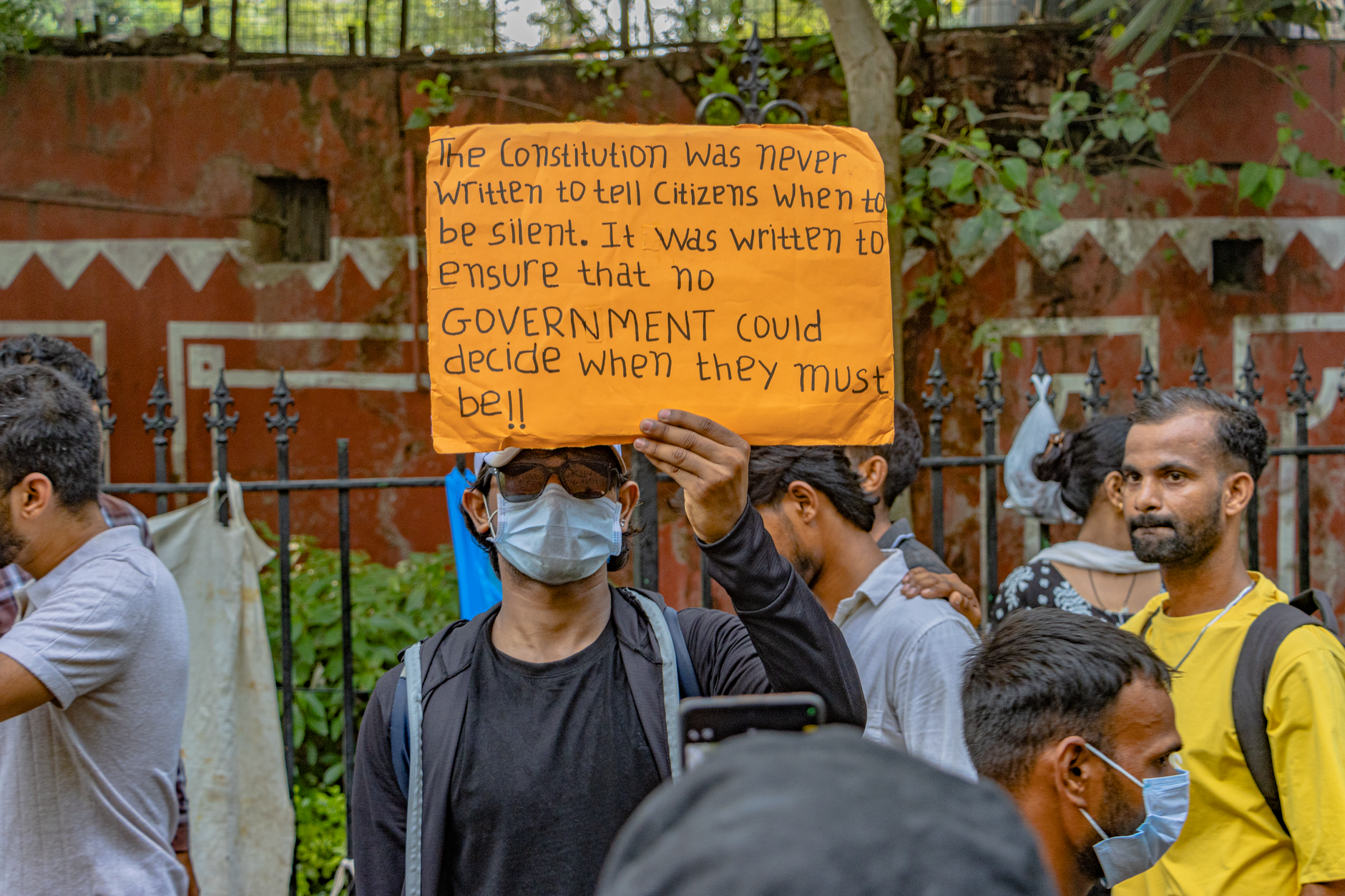
Standing on the precipice of environmental disaster, courts around the globe are increasingly being called upon to recognise and enforce the right to a clean environment. As wildfires, floods, and hurricanes become more frequent, the judiciary is emerging as a crucial player in the fight against climate change.
Several nations have taken the bold step of weaving environmental protection into their constitutions. Ecuador, for instance, has explicitly acknowledged rights of nature, granting ecosystems the right to exist and flourish. Colombia and Zambia have followed suit, embedding the right to a healthy environment within their legal frameworks.
Yet, India, despite being one of the world's most vulnerable countries to climate change, lacks a specific constitutional provision on this front. Although the Indian judiciary has been proactive in addressing environmental issues, often invoking the right to life under Article 21 of the Constitution to encompass environmental rights, the absence of an explicit mention remains a significant gap.
The Global Judicial Response
The global legal community is increasingly recognising mental health impacts as cognisable injuries due to climate change. In the United States, a recent decision in Montana acknowledged the psychological toll of environmental degradation, setting a precedent for future climate litigation.
Internationally, there is a growing call to integrate climate considerations into various domains of international law. The European Court of Human Rights has made strides by applying human rights law rigorously in environmental cases, marking victories for the human rights agenda.
The Urgent Need for Constitutional Reform
The absence of constitutional provisions in countries like India highlights the urgent need for reform. Constitutionalising the right to a clean environment would not only bolster legal protections but also reflect a nation's commitment to combating climate change.
Incorporating environmental rights into constitutions could pave the way for more robust legislation and regulation, ensuring that individuals and communities have the legal backing to demand action from their governments.
As climate challenges mount, the judiciary’s role in safeguarding the environment cannot be overstated. The call for constitutional reform is not merely about legal recognition, but a necessary step in the global fight against climate change.