Courts Crack Down on Environmental Violations Across India
In a series of landmark decisions, India's judicial bodies have reaffirmed their commitment to environmental protection, addressing a spectrum of ecological issues on October 6, 2026. The Supreme Court, high courts, and the National Green Tribunal (NGT) have collectively taken a hard stance on matters ranging from illegal mining to pollution control, setting a precedent for future legal interventions.
In the Aravalli hills, a region long plagued by illegal mining, the NGT has ordered a comprehensive crackdown. This decision comes in response to growing concerns about the environmental degradation caused by mining activities, which not only disrupt the local ecology but also pose significant risks to groundwater resources. The tribunal's directive aims to curb these illegal operations and restore ecological balance.
Meanwhile, the Supreme Court has turned its attention to air quality standards, particularly the sulphur dioxide emissions from coal-based power plants. The court has mandated stricter compliance with emission norms, recognising the severe health hazards posed by air pollution. This move is seen as part of a broader strategy to combat urban air quality issues, which have been escalating in several Indian cities.
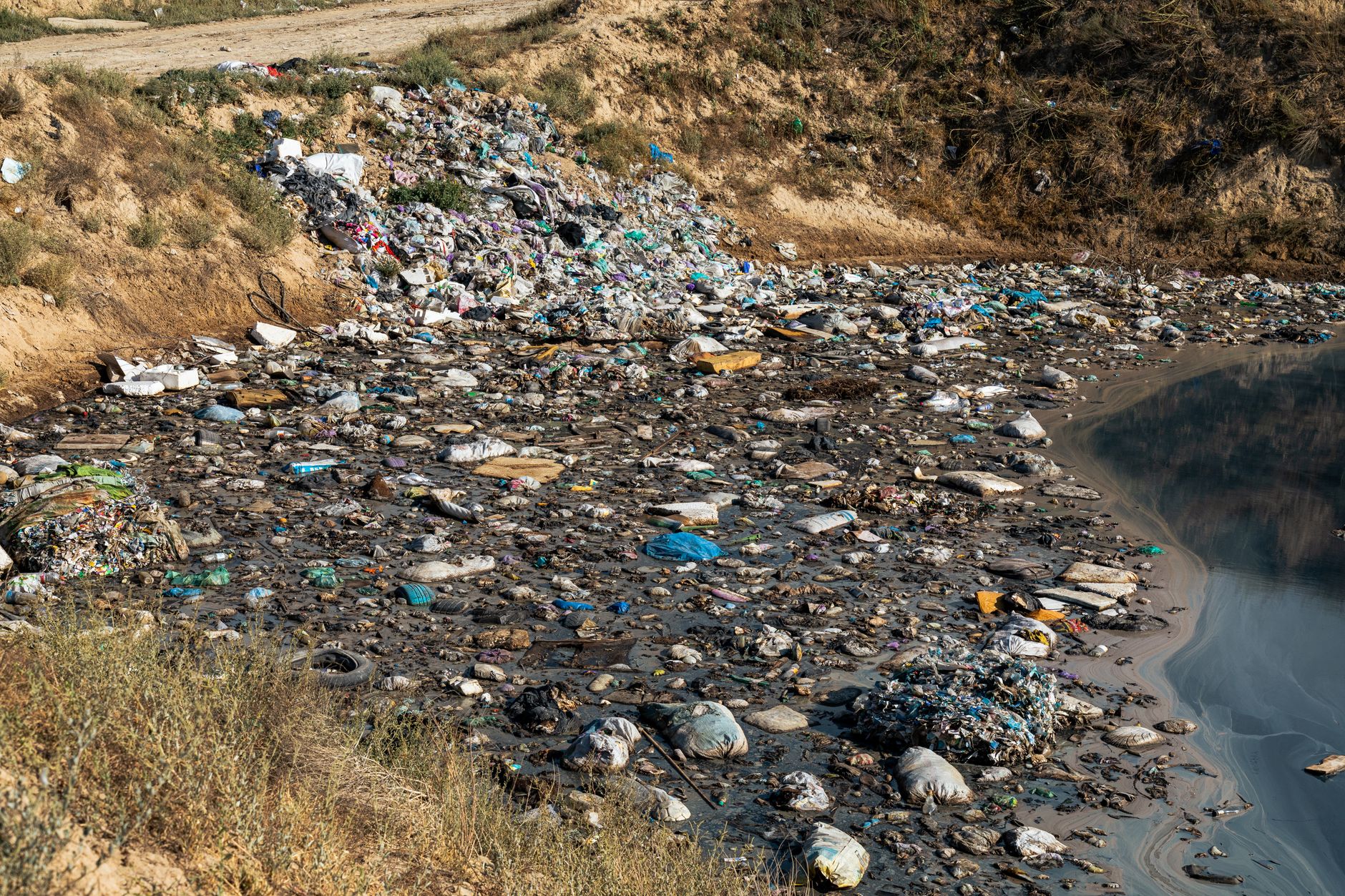
Waste management, a perennial challenge in India, has not been overlooked. In Haryana, the courts have directed immediate action on waste disposal practices in Kharkhara village, Rewari. The order emphasises the need for sustainable waste management solutions to prevent environmental contamination and ensure public health safety.
These rulings highlight an increasing judicial focus on holding both public and private entities accountable for environmental violations. As India's population and industrial activities continue to expand, the role of the judiciary in safeguarding natural resources is more crucial than ever. By setting these legal precedents, the courts are not only addressing immediate environmental threats but also paving the way for a more sustainable future.