
Court's Green Orders: NGT's Bold Steps for Environmental Justice
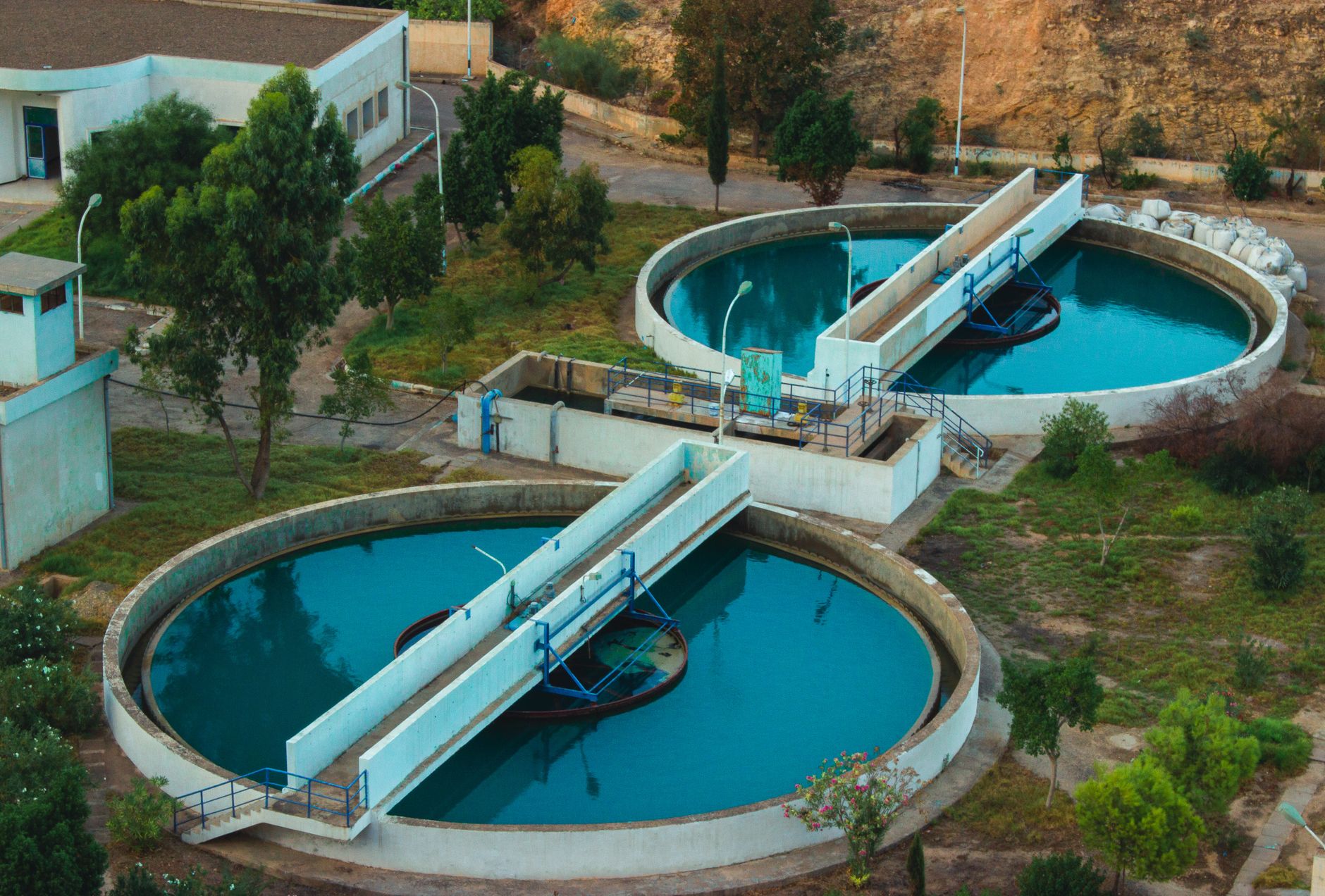
In a move that could potentially reshape environmental governance in India, the National Green Tribunal (NGT) has made significant strides with its latest directives. On 15th September 2026, a joint committee visited a contentious waste processing facility in Baner, Pune, acting on NGT's earlier order from May. This visit is part of a broader initiative to tackle environmental degradation and ensure better compliance with environmental legislation.
The committee's primary task is to verify the current situation at the facility, which has been a point of contention for local residents. Approximately 15 residential apartments lie within a 200-metre radius of the facility, raising concerns about air quality and potential health risks. The NGT's determination to address these issues reflects its commitment to safeguarding public health and the environment.
Remedial Measures on the Horizon
According to sources close to the matter, the committee is expected to recommend a series of remedial measures after their thorough inspection. These could range from enhancing waste processing protocols to relocating parts of the facility to minimise its impact on nearby residents. Such measures, if implemented, would not only address immediate concerns but also set a benchmark for future environmental policies.
The importance of this development cannot be overstated. With urbanisation and industrialisation on the rise, the need for stringent environmental oversight is more pressing than ever. The NGT's proactive approach could serve as a catalyst for similar actions across other regions facing environmental challenges.
Setting a Precedent
This case could indeed set a legal precedent in India, influencing how environmental laws are enforced. As the committee prepares its report, all eyes are on the NGT's next steps. Will they usher in a new era of environmental accountability, or will the findings become another page in the annals of bureaucratic inertia?
For now, the residents of Baner remain hopeful. Their anticipation is tempered by the realities of past experiences, but the NGT's involvement has injected a note of optimism. As the situation unfolds, the broader message is clear: environmental justice is no longer a distant ideal but a tangible goal within reach.


