Courts Tackle Environment: Landmark Rulings Issued
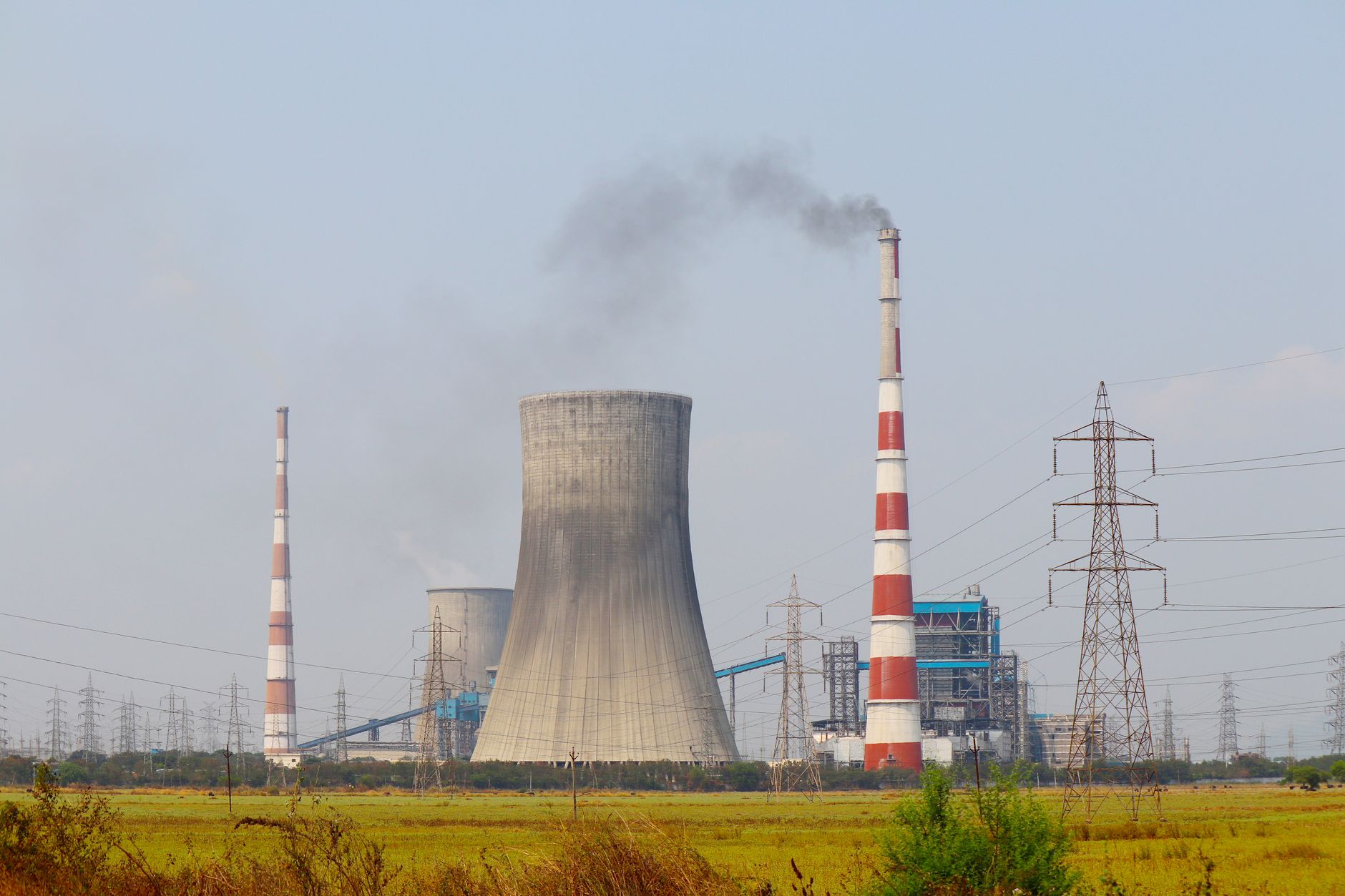
In a significant stride towards environmental justice, India's judiciary delivered a suite of influential orders on 14 September 2026. The Supreme Court, high courts, and the National Green Tribunal (NGT) combined forces to address a spectrum of ecological concerns, underscoring the judiciary's pivotal role in safeguarding the nation's environment.
The Supreme Court, in a much-anticipated verdict, addressed the contentious issue of industrial emissions in metropolitan areas. The court mandated tighter regulations and ordered a comprehensive review of existing protocols. This decision reflects the growing urgency to curb air pollution in urban centres, where industrial output often clashes with public health imperatives.
Meanwhile, the NGT's latest directive took aim at the misuse of water resources. The tribunal called upon state governments to ensure that water bodies remain uncontaminated, issuing stringent guidelines for industrial disposal practices. This move seeks to protect India's dwindling freshwater reserves, which are increasingly under threat from industrial effluents.
High courts across the country also played their part, with notable rulings on deforestation and land degradation. In one case, a state high court ordered the immediate cessation of illegal logging activities in protected forest areas, highlighting the fragile balance between development and conservation.
Implications for Policy and Public
The implications of these rulings extend far beyond the courtroom. They signal a robust judicial willingness to intervene in environmental matters, potentially influencing policy changes at the national and state levels. Moreover, these decisions resonate with the public's growing environmental consciousness, fostering a sense of accountability and stewardship.
As India grapples with the dual challenges of economic growth and environmental sustainability, these judicial interventions highlight a crucial path forward. By setting a legal precedent for stringent environmental protection, the judiciary not only addresses immediate concerns but also lays the groundwork for a more sustainable future.