Courts Tackle Environmental Challenges with Landmark Orders
In a series of pivotal judgments delivered on 14th September 2026, India's judicial bodies underscored their commitment to environmental protection amidst growing concerns over climate change and industrial pollution. The Supreme Court, along with various high courts and the National Green Tribunal (NGT), issued orders that could potentially reshape the nation's environmental landscape.
One of the noteworthy rulings came from the NGT, which reiterated its stance on water management in Uttar Pradesh. The tribunal instructed the state's Irrigation and Water Resources Department to submit a comprehensive progress report by December 2026. This directive follows previous orders aimed at addressing the recurring flooding issues in Prayagraj, a city often caught in the throes of monsoon havoc.
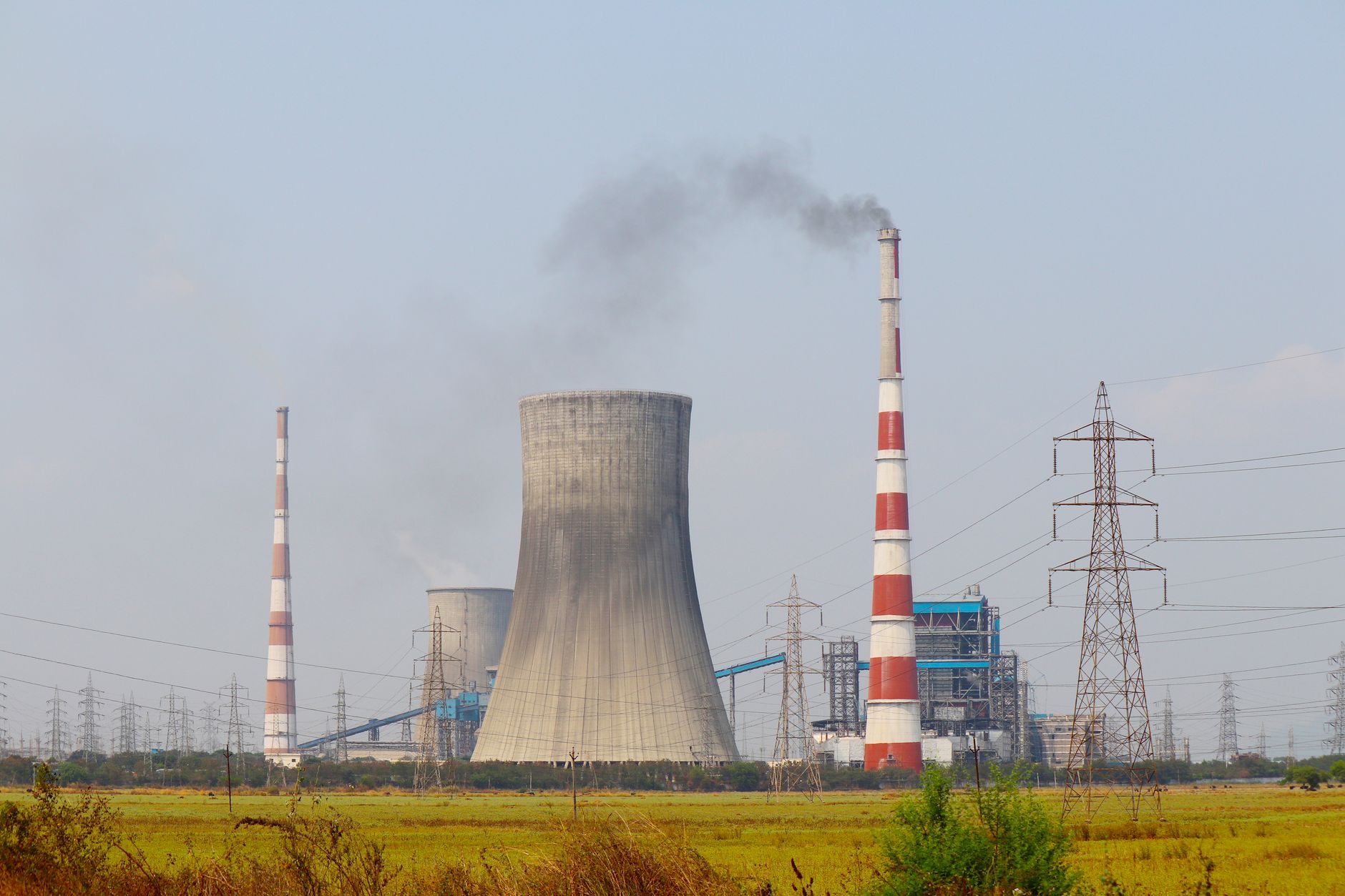
Meanwhile, the Supreme Court turned its attention towards industrial pollution, particularly in Maharashtra. The court mandated the Central Pollution Control Board, along with the Maharashtra Pollution Control Board, to conduct a thorough inspection of industrial plants suspected of violating pollution norms. These measures reflect a broader judicial effort to mitigate the adverse effects of unchecked industrial activities on public health and the environment.
The Balancing Act
These orders highlight the judiciary's critical role in balancing economic development with environmental sustainability. India's rapid industrialisation has often been at odds with ecological conservation, a conflict that courts have increasingly been called upon to mediate. The recent judgments suggest a growing willingness to enforce stringent environmental norms, even at the risk of slowing down industrial growth.
Environmental advocates have welcomed these decisions, viewing them as necessary steps towards a more sustainable future. However, industry representatives have expressed concerns over potential disruptions to economic activities and job losses. The challenge remains to find a harmonious path that satisfies both environmental and economic imperatives.
Looking Ahead
The implications of these rulings extend beyond the immediate parties involved. They set a precedent for future cases, signalling to industries nationwide that compliance with environmental regulations is not optional, but imperative. As India grapples with the dual challenges of development and sustainability, the judiciary's firm stance could serve as a catalyst for more responsible environmental stewardship.
As the deadline for compliance approaches, all eyes will be on how effectively these orders are implemented and monitored. The success of these measures will not only impact the specific regions mentioned but could also influence environmental policies at a national level.