CSIR-IICT's Biogas Breakthrough: A Green Revolution in India
The CSIR-Indian Institute of Chemical Technology (IICT) is making waves in India's green energy sector. A quiet revolution is afoot, led by a team of scientists whose work could reshape the nation’s approach to waste management and energy production.
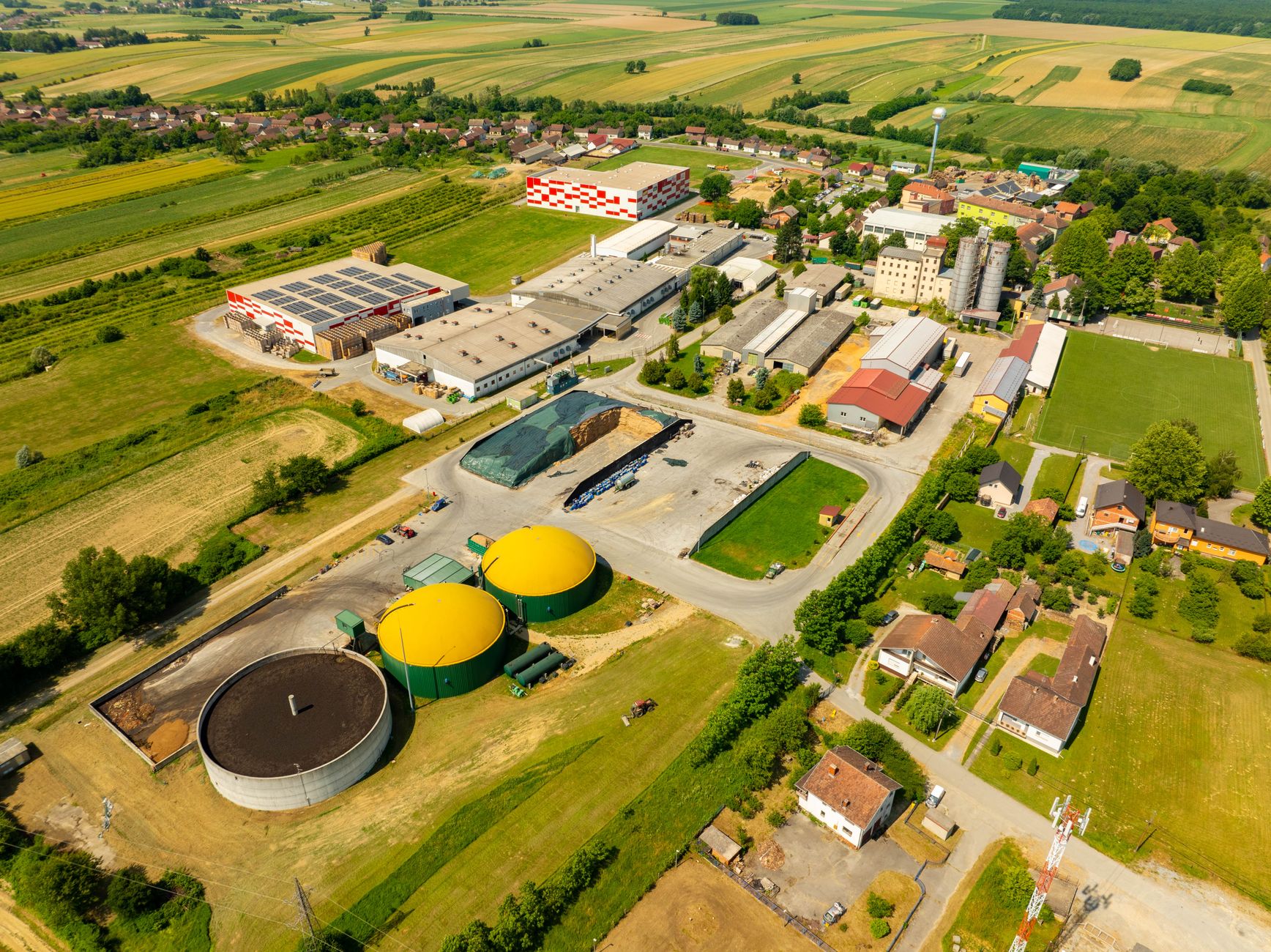
In Hyderabad, the IICT campus is abuzz with the promise of a cleaner future. Here, a pioneering technology is transforming organic waste into compressed biogas, a feat that promises to boost farmer incomes, reduce pollution, and propel India towards its ambitious net-zero targets.
This initiative is more than just a technological achievement; it's a potential saviour for the environment. As the country grapples with the challenges of waste disposal and energy shortages, the IICT’s innovation offers a viable solution. By converting 2000 kg of food waste into biogas daily, the facility replaces 85–90 kg of LPG, providing a cleaner, more sustainable energy source.
The Circular Economy in Action
The implications of this technology extend beyond energy production. By integrating biogas into the agricultural sector, farmers are given a new revenue stream, turning waste into wealth. This aligns seamlessly with the broader mission of establishing a circular economy, where resources are reused and repurposed, minimising environmental impact.
As India intensifies its pursuit of sustainability, initiatives like these are crucial. The technology not only aligns with governmental policies but also exemplifies how scientific innovation can translate into practical, nationwide benefits. Workshops held at the IICT serve as platforms for knowledge sharing, ensuring that these advances are not confined to laboratories but reach the communities that stand to benefit the most.
A National Imperative
The success of the CSIR-IICT’s technology highlights the necessity of investing in homegrown solutions to global challenges. As climate change continues to pose a formidable threat, India’s commitment to reducing its carbon footprint is more critical than ever. Bio-methanation, as demonstrated by the IICT, is not merely a technical innovation; it's a national imperative.
In the grander scheme, the IICT's work represents a microcosm of what is possible when science and policy align. As more such projects take root, the vision of a sustainable India comes into sharper focus — one where waste is not merely discarded but harnessed as a powerful resource.