CSIR-IICT's Biogas Innovation Elevates India's Green Energy
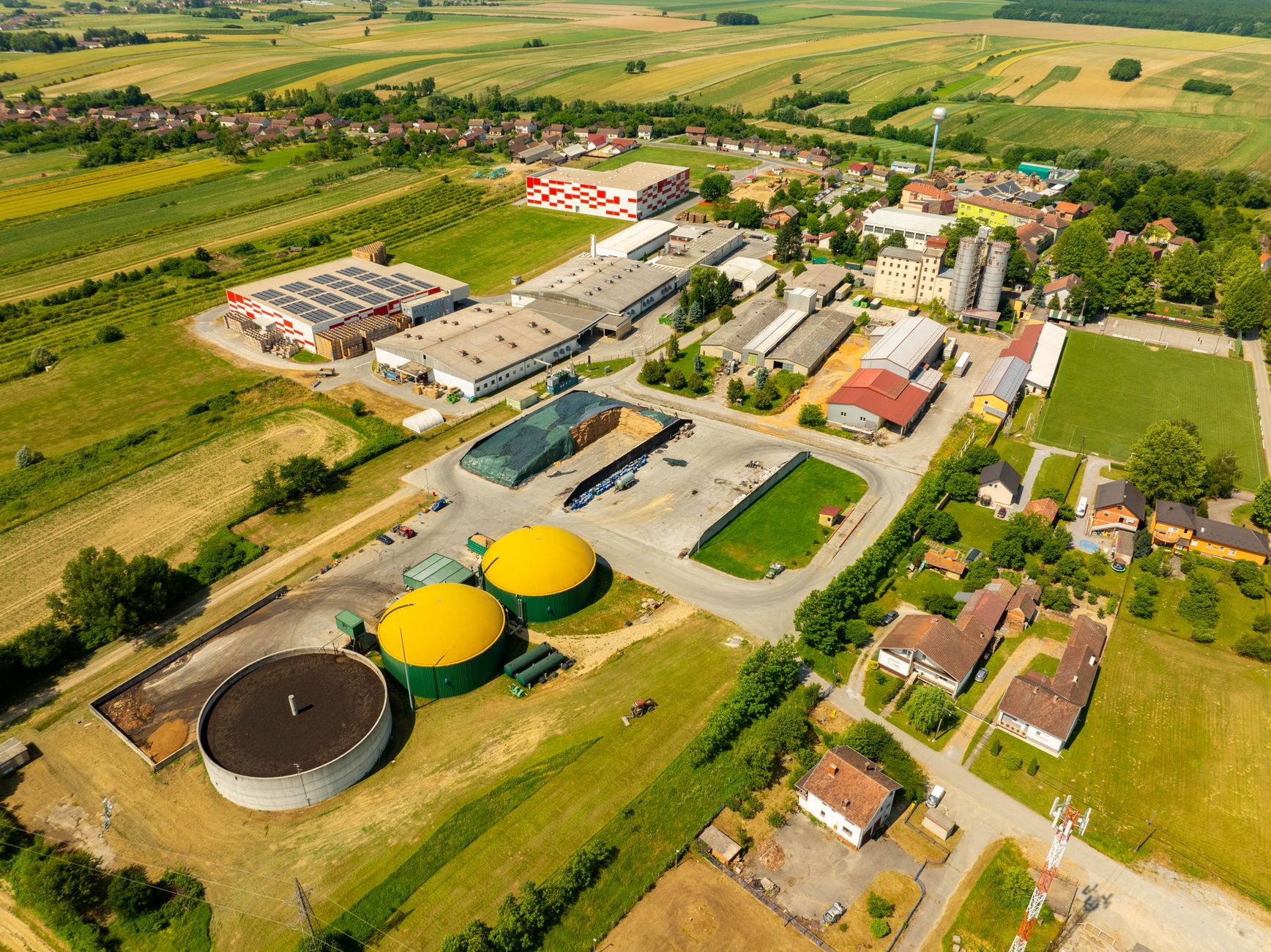
In the heart of Andhra Pradesh's Kadapa district, an extraordinary transformation is underway. Here, the unassuming act of converting food waste into compressed biogas is quietly revolutionising local energy production. Thanks to the innovative Anaerobic Gas Lift Reactor (AGR) technology developed by the Council of Scientific and Industrial Research-Indian Institute of Chemical Technology (CSIR-IICT), 33 biogas units are springing up across schools, each processing 25 kilograms of food waste daily.
This decentralised approach is not just a technological marvel; it is a lifeline for the community. The biogas generated is sufficient to prepare nearly 2,000 meals a day, embodying a sustainable solution to waste management while simultaneously catering to community needs.
Empowering Rural Economies
Mr. Rao, a key figure in this initiative, notes that the move is boosting farmer incomes significantly. The biomanure, a by-product of the process, is rich in nutrients and can be used to enhance soil fertility, promising better crop yields. This dual benefit of energy production and agricultural enhancement is a step forward in India's pursuit of a circular economy.
The CSIR-IICT's AGR technology leverages a high-rate biomethanation process, adeptly suited to Indian conditions. It not only generates energy but also addresses the burgeoning issue of waste management, reducing greenhouse gas emissions and preventing waste from reaching landfills. This makes it an environmental boon, as well as an economic one.
Scaling Up for a Greener Future
Already under licence to industry partners, the AGR technology is piquing interest with its potential applications in compressed biogas (CBG) technology. The prospect of scaling up this innovation is tantalising, with the potential to redefine India's energy landscape.
In a world grappling with climate change, such initiatives are not merely desirable but essential. As India looks to balance its rapid development with environmental sustainability, CSIR-IICT's endeavour provides a template for what a greener, more resource-efficient future could look like.