
CSIR Unveils Science Magazines in India's Regional Languages
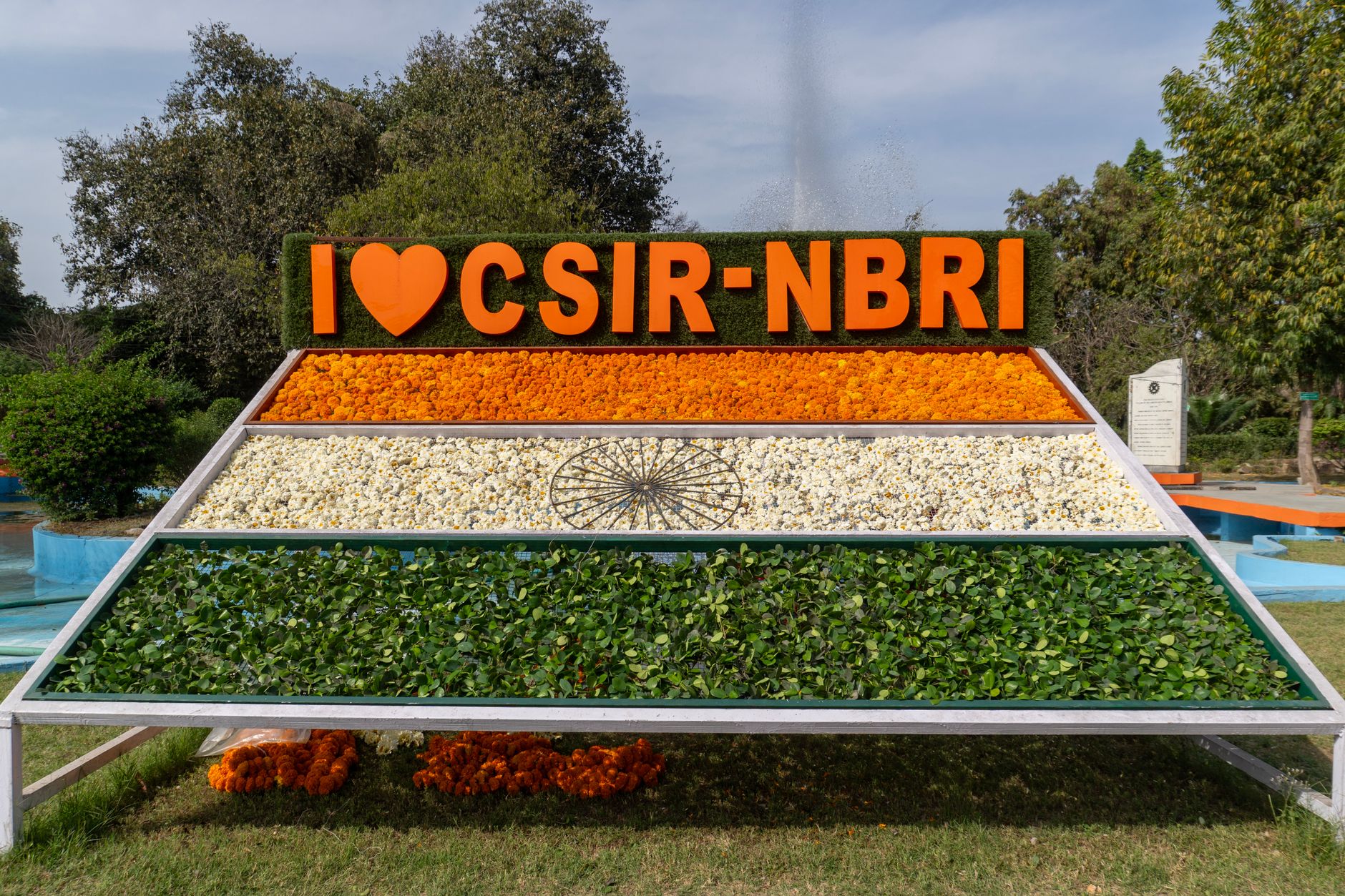
In a move set to democratise scientific knowledge across India's diverse linguistic landscape, the Council of Scientific and Industrial Research (CSIR) has launched five new science magazines in regional languages. The launch, coinciding with CSIR's 85th Foundation Day, was graced by the Union Minister of State for Science and Technology, Dr Jitendra Singh.
These magazines, published in Tamil, Telugu, Marathi, Bengali, and Assamese, aim to bridge the gap between scientific research and the public in regions where English is not the primary language. By doing so, the CSIR hopes to foster a culture of scientific curiosity and innovation at the grassroots level.
Bridging the Linguistic Gap
Dr Singh, addressing the audience at the launch, remarked, "Science should not be confined to the corridors of elite institutions but should permeate every corner of our society." This initiative is part of a broader strategy to ensure that scientific discourse is not lost in translation, literally and figuratively.
The magazines are carefully curated to include articles, interviews, and reports that are both informative and engaging, tailored to the cultural contexts of their respective languages. The effort reflects a recognition that linguistic diversity should be seen as an asset rather than a barrier in the dissemination of scientific knowledge.
A Thrust Towards Inclusivity
The launch of these magazines is not a standalone effort. It aligns with CSIR's ongoing commitment to inclusivity in science and technology. Earlier, the organisation introduced the CSIR Science & Innovation Quiz on the MY Bharat Portal, further extending its outreach to India's youth. Such initiatives are crucial, especially in a nation where regional languages are deeply intertwined with cultural identity.
This development also resonates with India's broader educational and technological goals. By enabling access to scientific content in regional languages, CSIR is paving the way for a more informed citizenry, capable of contributing to the nation's scientific endeavours.
The move has been met with enthusiasm by regional educators and scientists, who believe it will inspire more students to pursue careers in science and technology. As India continues to emerge as a global scientific powerhouse, initiatives like these ensure that no segment of society is left behind.


