CUK Prepares for Pivotal Talks on Earth's Future in Anthropocene
The Central University of Karnataka (CUK) is poised to become a crucible of environmental discourse as it hosts the International Conference on Earth and Environment in the Anthropocene. Scheduled to take place online, this pivotal gathering will draw scientists, academics, and industry experts from across the globe, all eager to address the profound challenges posed by the Anthropocene epoch.
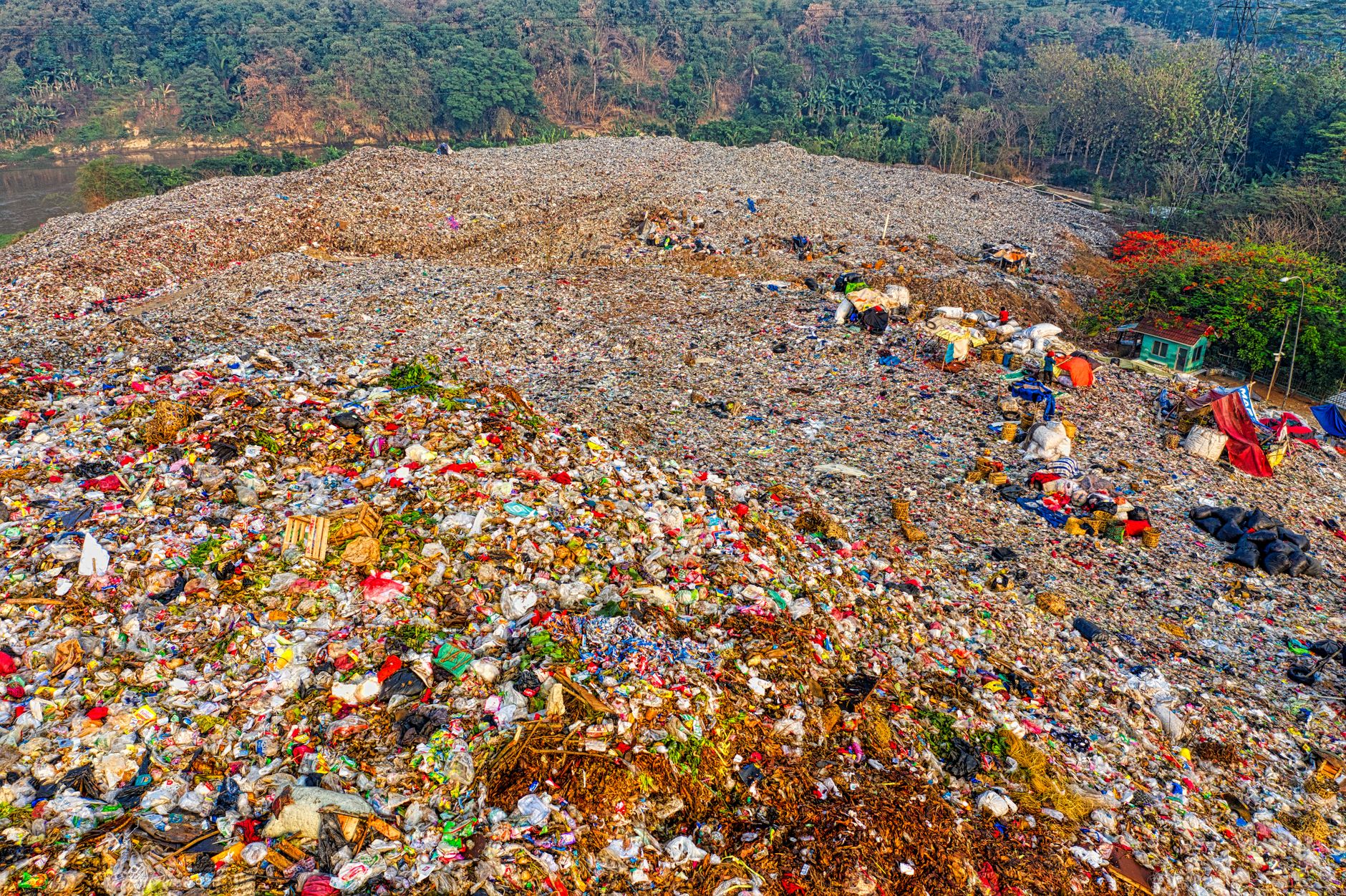
The Anthropocene, a term coined to describe the current geological age, is marked by significant human impact on Earth's geology and ecosystems. It encapsulates issues from climate change to biodiversity loss and global food insecurity. In this era, humans have become the dominant force influencing environmental conditions, and the conference aims to tackle these pressing issues head-on.
A Global Meeting of Minds
Participants will delve into topics as varied as sustainability, natural resource management, and disaster preparedness. The conference is not merely an academic exercise; it is a call to action. With a focus on governance and technological solutions, attendees will explore strategies to enhance environmental resilience and forge a sustainable path for future generations.
Dr. Anil Kumar, a lead organiser of the conference, notes, "This conference is crucial for fostering international collaboration. By sharing insights and strategies, we can address the environmental challenges that transcend borders."
Innovative Solutions for a Changing World
One of the conference's primary goals is to bridge the gap between scientific research and practical application. By bringing together experts from various fields, the event seeks to inspire innovative solutions that can be implemented worldwide. Topics such as geosciences and disaster management will be discussed, with the aim of developing new methodologies that can be adapted to local contexts.
As the world grapples with the realities of climate change and environmental degradation, forums like the International Conference on Earth and Environment in the Anthropocene play a vital role. They not only highlight the urgency of the issues at hand but also galvanise a collective effort to mitigate the impacts and safeguard the planet's future.
With its virtual format, the conference underscores the importance of inclusivity and accessibility in global scientific discourse. As Dr. Kumar emphasises, "We are at a critical juncture. This conference is an opportunity to shape a resilient and sustainable future for all."