
Curiosity Celebrates 5,000 Martian Days Amidst New Discoveries
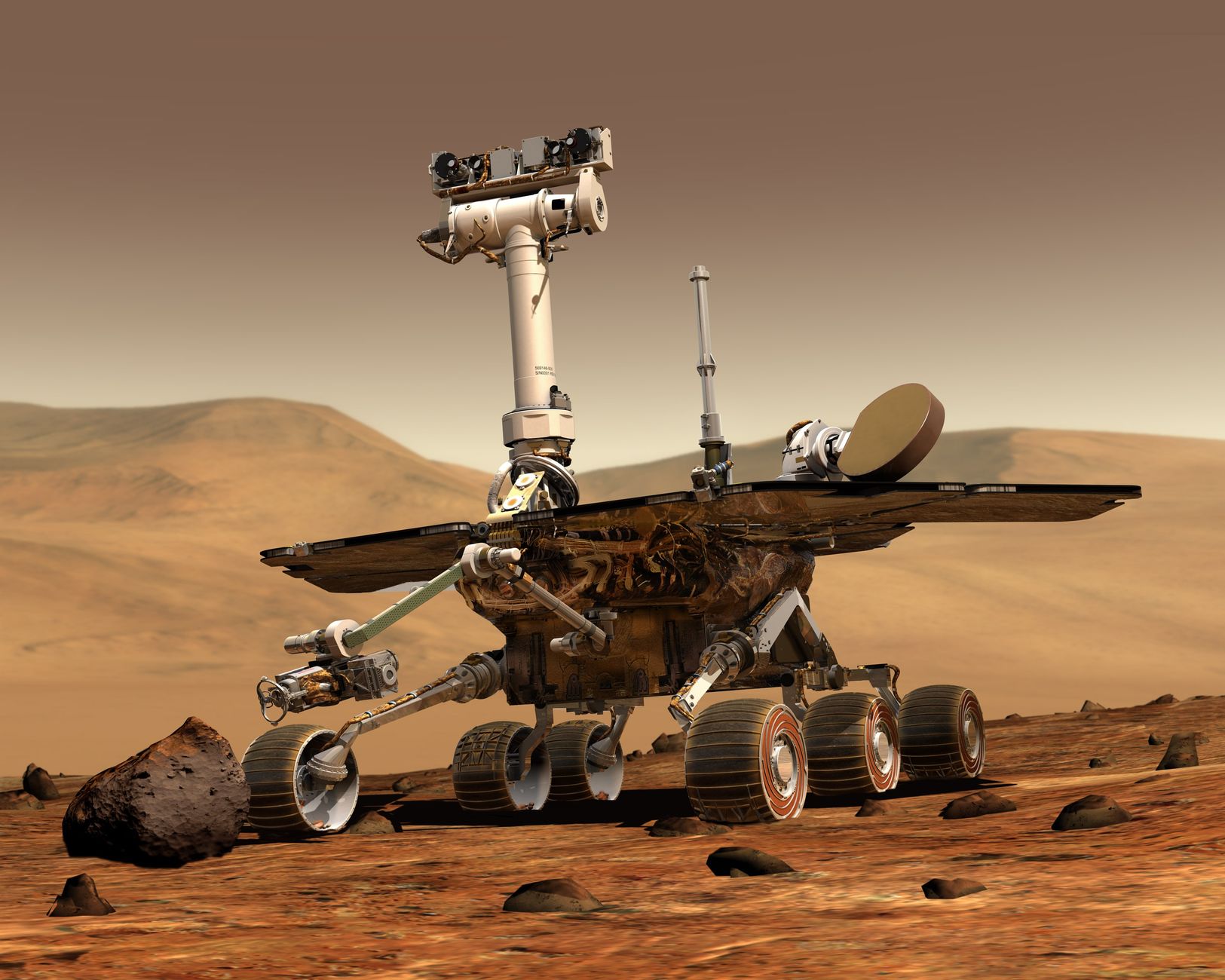
As NASA's Curiosity rover marks 5,000 Martian days, or sols, on the surface of Mars, it reflects not only the resilience of the rover itself but also the tenacity of the team behind it. Launched back in 2011, Curiosity has travelled more than it was ever expected to, climbing over 1,000 metres from its landing site in the Gale Crater.
This milestone is symbolic in the annals of space exploration, representing over 5,137 Earth days of continuous operation on a planet that is both fascinating and formidable. The rover's journey has provided a wealth of data, offering glimpses into the planet's climate history and geological transformations.
New Mysteries Unearthed
Yet, Curiosity's mission is far from routine. Recent images captured by the rover's Right Navigation Camera have revealed peculiar holes on the Martian surface. These formations have captured the attention of scientists, who are eager to understand their origins. Are they the result of natural geological processes or something more enigmatic?
Such discoveries are part of what makes the Curiosity mission indispensable. Each new finding provides a piece of the puzzle in understanding Mars' past, potentially answering the age-old question of whether life ever existed beyond our Earthly confines.
Challenges on the Horizon
The rover's longevity is a testament to human ingenuity, but it also highlights the challenges faced in such a hostile environment. Mars presents a myriad of obstacles, from cosmic radiation to the psychological toll of isolation, and the degradation of equipment over time. Despite these, Curiosity continues to operate, a beacon of scientific curiosity and exploration.
As we look ahead, these 5,000 sols serve as a reminder of what has been achieved and what yet remains to be discovered. With each sol, Curiosity adds to our understanding, paving the way for future missions and perhaps even human exploration.


