Death Sentence in Bengal: Court Ensures Children's Welfare
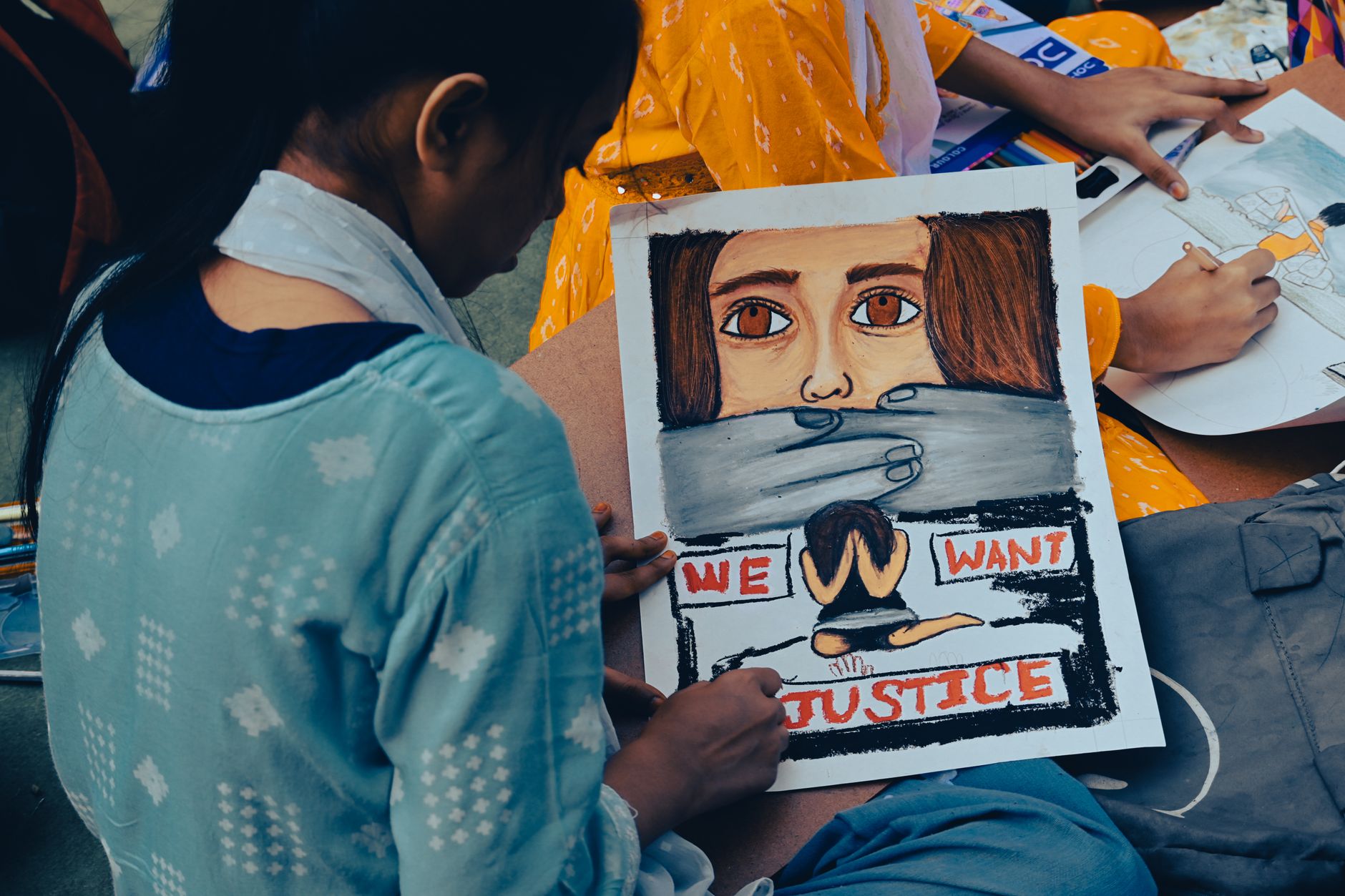
In the quiet courtroom of Murshidabad, a verdict was delivered that echoed far beyond the legal confines. A man, convicted of the rape and murder of a minor girl, was sentenced to death, a decision that underscores the gravity of his crime. Yet, in a move as poignant as it is practical, the court also directed the administration to safeguard the future of his own minor children, ensuring their education and well-being.
Presiding over the case was Judge Chandraprabha Bhattacharya, who delivered the verdict within a mere 61 days of the crime, a testament to the judiciary's resolve in addressing crimes against children swiftly. The judgement aligns with six other similar cases where the courts have deemed the heinous acts as 'rarest of the rare', warranting the ultimate punishment.
Bivas Chatterjee, the special public prosecutor, lauded the decision as historic. He noted that while the punishment fits the crime, the court's focus on the convict's children reflects a nuanced understanding of justice. "It is not just about retribution, but also about rehabilitation and prevention," he remarked.
The court's mandate for the children's welfare is particularly significant in a country where the fallout of such crimes often leaves families shattered, both emotionally and financially. The directive ensures that the sins of the father do not shadow the future of his offspring, a move that is as much about compassion as it is about justice.
This case is a grim reminder of the pervasive threat of violence against women and children in India. Yet, it also highlights the judiciary's evolving approach to not only punish the guilty but also to consider the broader societal impacts. By focusing on the education and well-being of the convict's children, the court has taken an extraordinary step towards breaking the cycle of violence and neglect that often follows such tragedies.
As the administration moves to implement the court's orders, the eyes of the nation remain on how effectively these measures will be executed. The hope is that this decision will set a precedent, encouraging a judicial approach that balances the scales of justice with the weights of empathy and foresight.