Decoding the Ancestry: Scientists Unveil Banana Genome Secrets
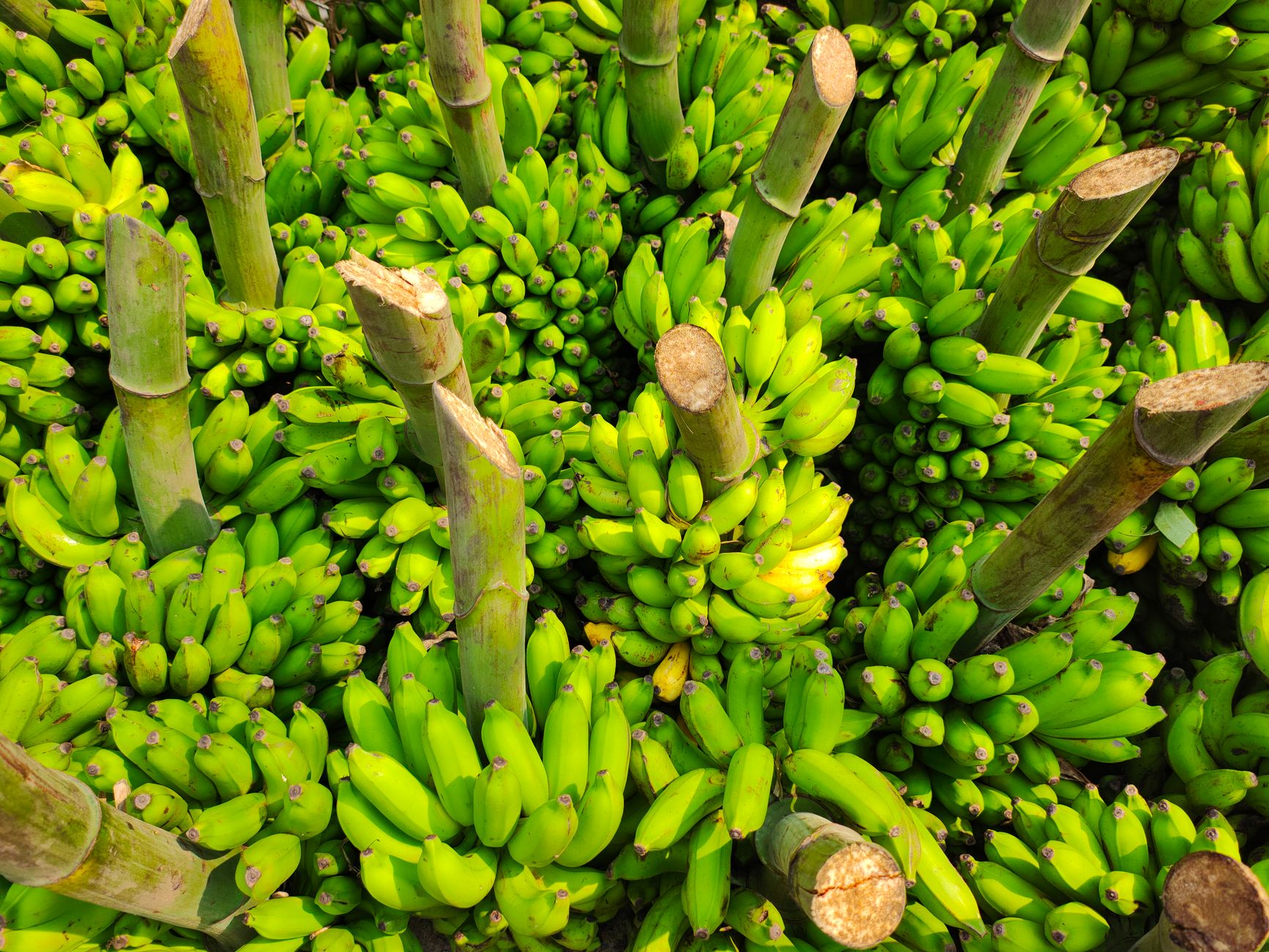
In a scientific breakthrough that could have significant implications for agriculture, researchers have cracked the 'ancestral code' of the banana family. The study, conducted by a team at the forefront of genomic research, meticulously assembled the genome of Musa exotica, an early-diverging species of ornamental banana.
At the heart of this discovery is the successful reconstruction of an ancestral karyotype, a meticulous process involving high-quality, gap-free genomic sequencing. The assembled genome, with a contig N50 of 47.41 Mb, provides an unprecedented view into the evolutionary pathways that have shaped modern banana species.
Why This Matters
Bananas are more than just a dietary staple worldwide; they are a cornerstone of agricultural economies in many tropical regions. Understanding their genetic makeup is crucial, not just for historical curiosity but for practical applications. This ancestral genome map could significantly enhance breeding programmes aimed at producing more resilient banana varieties.
Climate change and disease pose ongoing threats to banana crops. By identifying genetic traits that confer resilience, scientists can spearhead efforts to develop varieties that withstand these challenges, thus safeguarding a vital food source.
Beyond the Genome
The implications of this research extend beyond agriculture. By unlocking the genetic history of bananas, scientists are also piecing together the broader evolutionary story of plant life. This could lead to discoveries about plant adaptation and survival strategies, offering insights applicable to other species as well.
As researchers continue to explore the genetic tapestry of the banana, the potential for innovation in both agriculture and evolutionary biology seems boundless. The study is a testament to the power of modern genomics and its role in addressing some of the most pressing challenges of our time.