Decoding the Banana: Scientists Reveal Chromosomal Ancestry
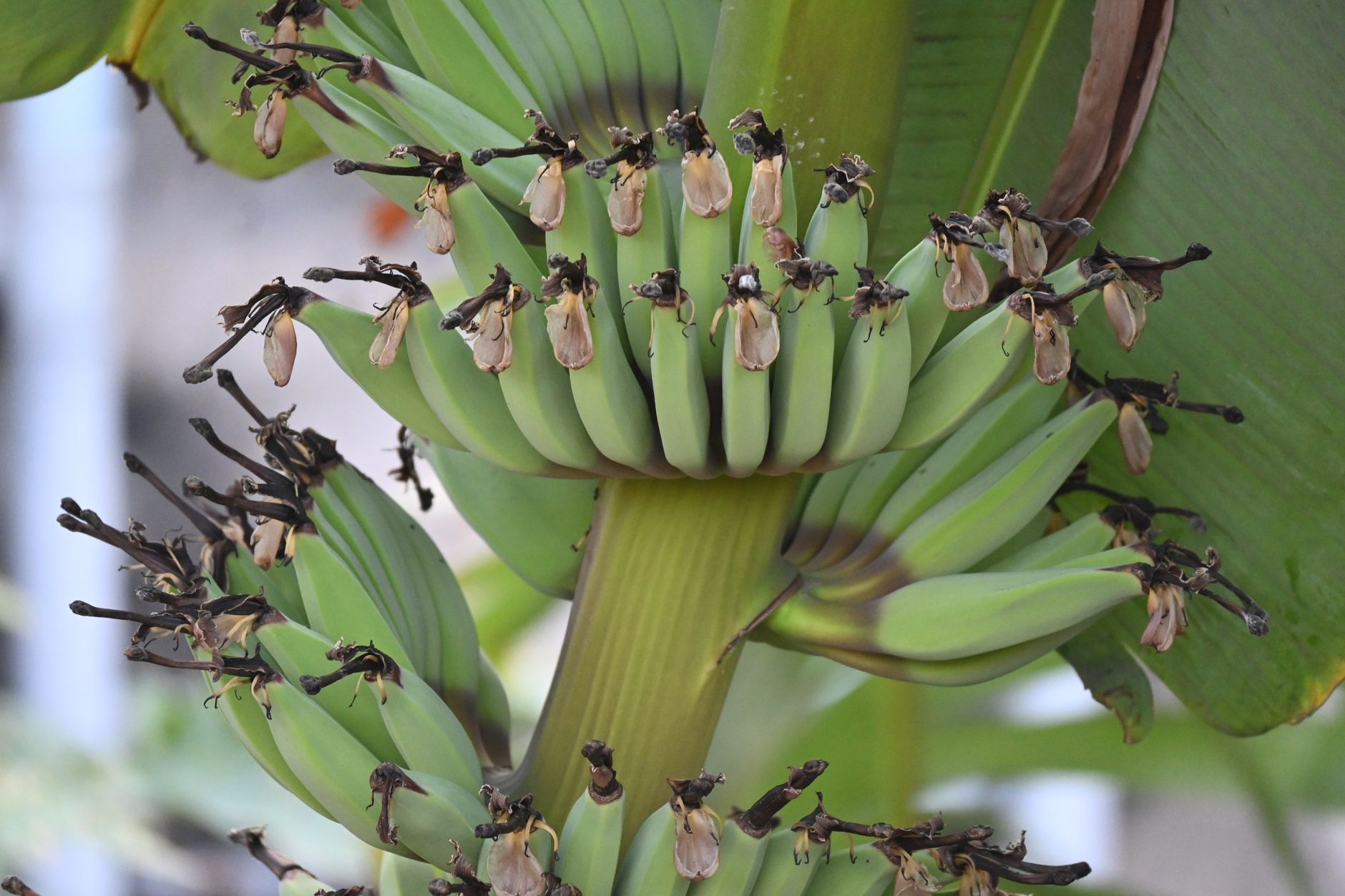
Amidst the lush tropical canopies, the humble banana has long been a staple in diets worldwide. Yet, beneath its familiar yellow peel lies a tale of evolutionary intrigue. Scientists have now peeled back the layers of its genetic history, revealing the ancestral chromosomal lineage of the banana family. This discovery not only sheds light on the fruit's past but also holds promise for its future.
Unraveling the Chromosomal Puzzle
The study, led by a team of geneticists, meticulously reconstructed the ancestral karyotype of the banana. Through their research, they discovered a stepwise reduction in chromosome numbers from 17 to 9-11. This chromosomal evolution paints a complex picture of adaptation and survival, as the banana family diversified over millions of years.
Dr. Emily Carter, the lead researcher, explained, "Understanding the chromosomal changes in bananas helps us comprehend their evolutionary paths and adaptability. This knowledge could prove invaluable in developing better agricultural strategies, especially in the face of climate change."
The Bigger Picture of Plant Evolution
While bananas are the focal point, this study has broader implications for plant science. The ability to trace chromosomal changes offers insights into how plants evolve under environmental pressures. Such knowledge is crucial as scientists strive to improve crop resilience and food security globally.
Moreover, the findings may assist in breeding programmes aimed at enhancing disease resistance and yield in banana crops. As one of the world's most consumed fruits, the health and sustainability of banana crops are of paramount importance.
As researchers continue to unlock the secrets of plant genomes, the humble banana stands as a testament to the intricate dance of evolution—one that has been quietly unfolding beneath our feet for millennia.