Decoding the 'Magic Hands': AI's Role in Scientific Precision
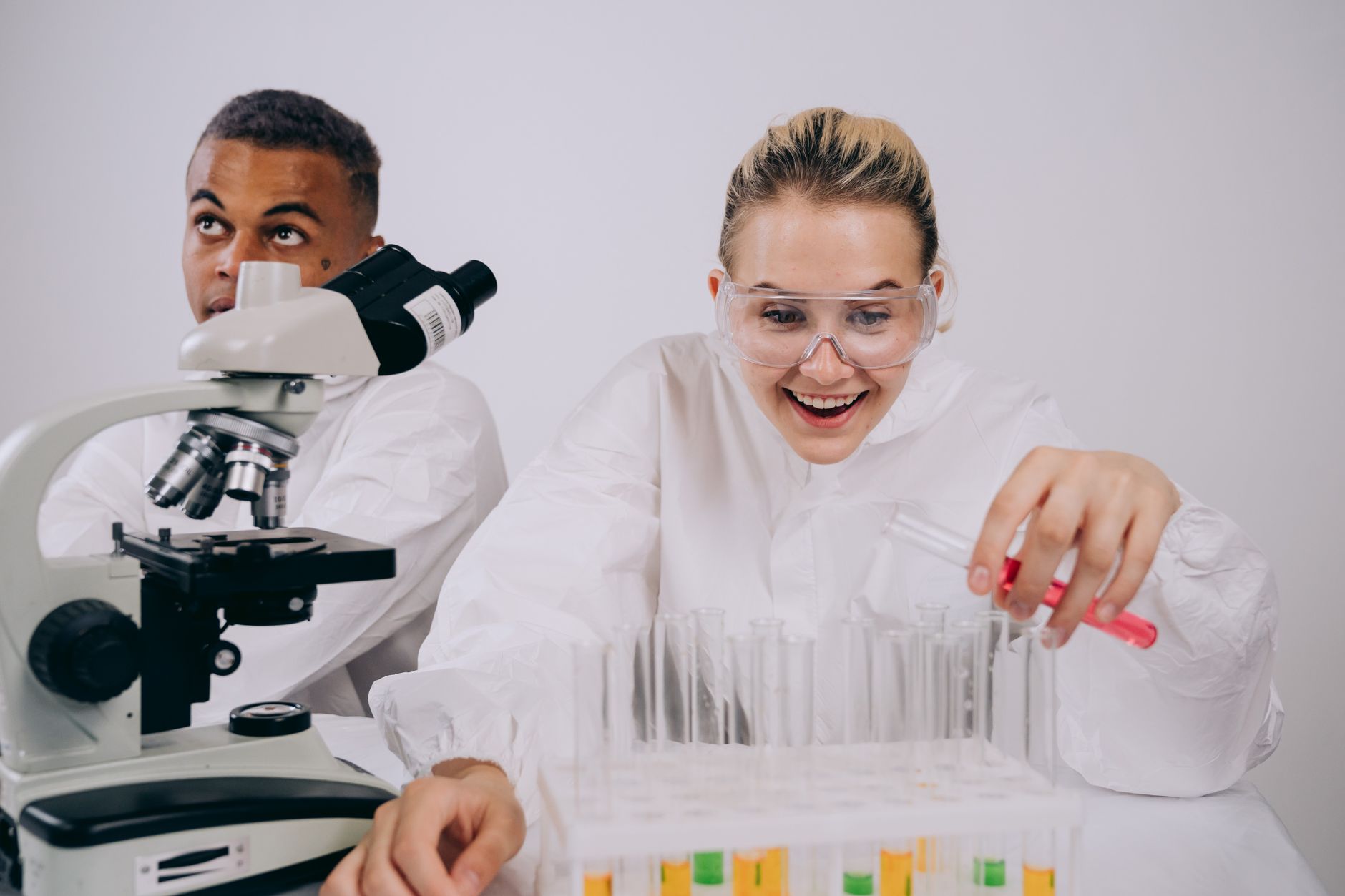
In the hallowed halls of scientific inquiry, precision is king. Yet, within these same walls, whispers of certain researchers possessing 'magic hands' circulate like an unsolved mystery. These are the individuals who seemingly achieve success with a consistency that baffles their peers. Now, a new AI initiative seeks to demystify this phenomenon.
Researchers at Transfyr have harnessed the power of artificial intelligence to scrutinise the minutiae of laboratory procedures. By meticulously analysing the actions of those deemed to have 'magic hands', the AI aims to capture the tacit knowledge that often eludes formal documentation.
The Pursuit of Reproducibility
Science thrives on reproducibility. The ability to replicate results across various labs is a cornerstone of scientific validity. However, this is easier said than done. Variations in individual technique, often unrecorded, can lead to discrepancies in outcomes. The AI developed at Transfyr aims to bridge this gap by identifying the subtle actions and decisions made by researchers that contribute to successful experiments.
By doing so, the AI can provide insights into the unspoken art of experimentation, potentially reshaping how scientific expertise is defined and shared.
Redefining Expertise
The implications of such a development extend beyond mere reproducibility. If AI can codify the nuances that make certain researchers more successful, it raises questions about the nature of expertise itself. Will authority in scientific circles shift from individuals to algorithms? Or will it foster a more collaborative environment where knowledge is more accessible?
While the notion of 'magic hands' may sound whimsical, the AI's mission is anything but. It represents a significant step towards understanding and improving the precision of scientific practice, ensuring that the magic of discovery is not left to chance.