Decoding the 'Magic Hands' Phenomenon in Scientific Labs
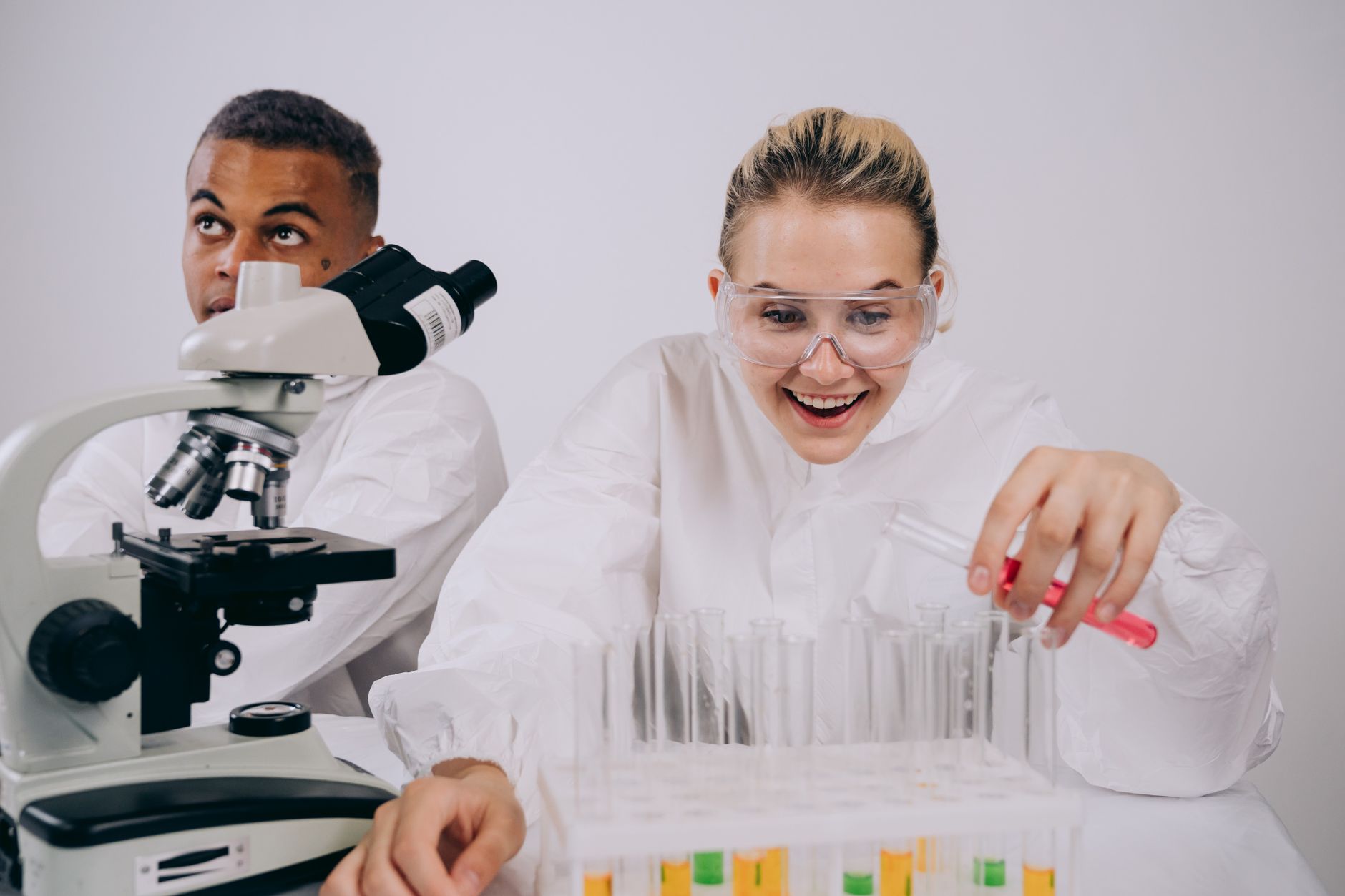
In the cloistered world of scientific research, the term 'magic hands' is whispered with a mix of admiration and intrigue. It refers to those select few scientists who seem to achieve successful experimental results with an uncanny consistency. While others meticulously follow protocols and still falter, these individuals glide through their procedures, seemingly guided by an invisible hand.
Now, an artificial intelligence model is on a quest to unravel this enigma. Developed by the innovative minds at Transfyr, the AI seeks to capture and comprehend what these scientists do differently. By observing their every move, from the way they handle pipettes to the precise timing of reactions, this AI aims to quantify that elusive tacit knowledge.
Reproducibility in Science
Reproducibility has long been a thorn in the side of the scientific community. The inability to replicate results not only hampers scientific progress but also raises questions about the reliability of published findings. If the 'magic hands' phenomenon can be decoded, it could lead to more consistent results across laboratories worldwide.
Some experts argue that this endeavour challenges the very concept of scientific expertise. If AI can distil and disseminate these tacit skills, does it diminish the role of human intuition and experience in scientific discovery? Or does it democratise knowledge, making high-level scientific techniques accessible to all?
The Future of Scientific Expertise
While the AI's journey is just beginning, its implications are profound. It could redefine what it means to be an expert, shifting authority from the individual to a shared, collective intelligence. However, sceptics caution against over-reliance on AI, warning that the nuanced understanding of biological systems might still require a human touch.
As this AI continues to learn and evolve, it holds the promise of bridging gaps in scientific knowledge, potentially transforming laboratories into hubs of consistent, reproducible research. Whether it unveils the 'magic' or merely adds another layer of understanding, its impact is likely to resonate throughout the scientific community.