Degrees Lose Lure: Indian Students Rethink Higher Education
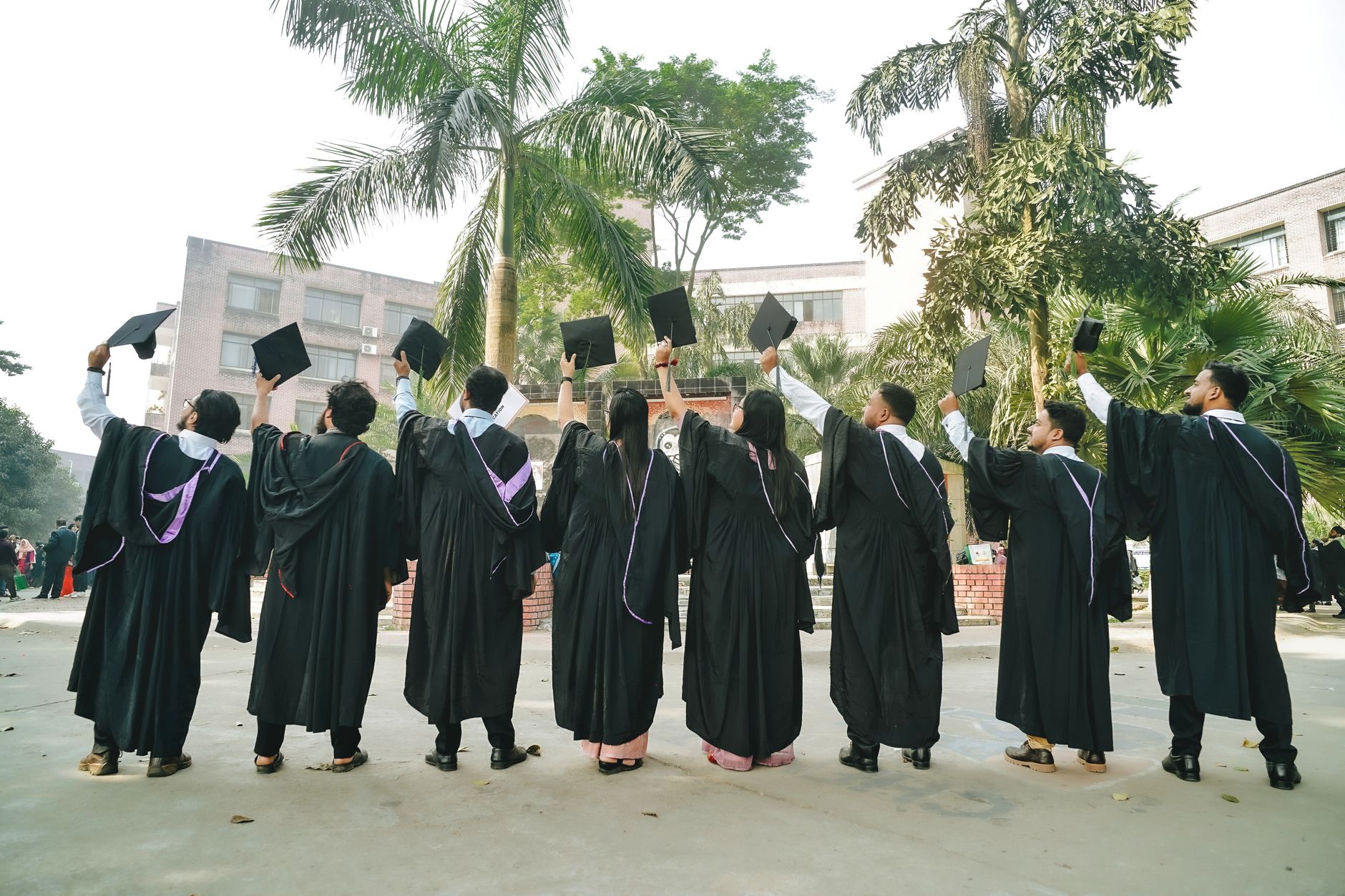
In a world where higher education was once heralded as the golden ticket to a prosperous future, the sheen appears to be fading for many Indian students. Rising tuition fees, coupled with stagnant starting salaries, have led to a re-evaluation of the cost-benefit equation of pursuing a degree.
For families across India, the decision to invest in higher education has traditionally been an economic one. Years of study and substantial financial outlay were justified by the promise of better employment opportunities and economic stability. However, as the value of degrees comes under scrutiny, this calculation is rapidly changing.
A Question of Value
Political influences further muddy the waters, with academic institutions increasingly under governmental control. Degrees, many argue, no longer hold the same prestige or assurance of quality that they once did. The situation is exacerbated by a global shift. More and more students are now considering alternatives to the traditional Indian university route.
In particular, the allure of international education continues to grow. Data from the German Academic Exchange Service indicates a steady increase in Indian enrolment at German universities, despite the British government's recent tightening of its migration policies, which has seen a decline in Indian students heading to UK institutions. These trends suggest a broader disillusionment with domestic higher education.
The Mathematics of Education
The financials speak volumes. Since 1995, tuition fees at public colleges have doubled, while those at private institutions have surged by 75%. Yet, the starting salaries for many graduates have failed to keep pace, placing a significant financial strain on new entrants to the workforce.
As a result, students are increasingly weighing the tangible benefits of a degree against its costs. The traditional view of education as a guaranteed investment is being challenged, with many opting to enter the workforce earlier or pursue vocational training instead.
While the shift away from higher education degrees is not uniform across all sectors, it raises pertinent questions about the future of education. As students and families alike grapple with these new realities, the role of higher education in delivering economic success is being fundamentally reassessed.