Delhi Traders Call for Protest Restrictions Amid Festive Sales Slump
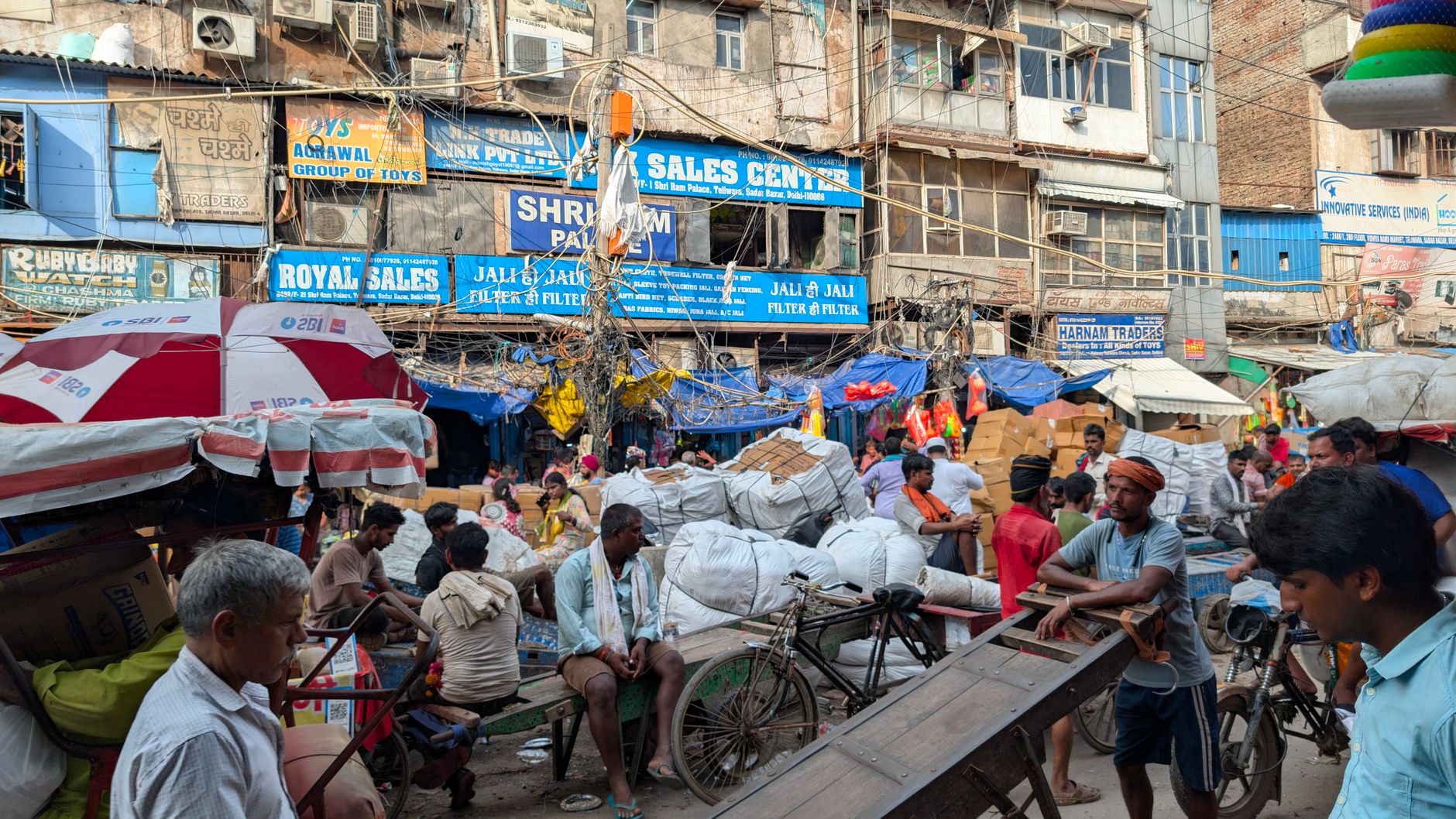
In the bustling heart of Delhi, where the aroma of street food mingles with the cacophony of shoppers, a different kind of noise is causing concern. Traders in the capital have voiced their frustrations over the disruptive protests that have turned the city's commercial hubs into near ghost towns.
The Chamber of Trade and Industry (CTI) claims a stark 70% downturn in business activity, attributing this decline to the recent waves of protests. Connaught Place, Janpath, and Sadar Bazaar, usually teeming with shoppers, have witnessed a marked decrease in footfall, with potential buyers deterred by the prospect of closed metro stations and blocked roads.
The Economic Toll
According to CTI chairman Brijesh Goyal, the ongoing disruptions have left traders grappling with significant financial losses. 'Our markets thrive on foot traffic, especially during the festive season. When access is restricted, our businesses suffer,' he explained, adding that the situation could worsen as Diwali approaches.
With the festive and wedding season in full swing, traders are calling upon political parties to refrain from organising large-scale protests in key commercial zones until after Diwali. The CTI has suggested the establishment of a permanent protest zone to minimise the impact on business activities.
A Call for Balance
The traders' plea highlights a broader tension between the right to protest and the need to maintain economic stability. While the right to assembly is cherished in any democracy, the traders argue that it shouldn't come at the cost of livelihoods, particularly when so many depend on the bustling markets for their income.
As Delhi's traders continue to navigate these challenging times, the call for a more structured approach to protests is unlikely to fade away. The question, however, remains: can a balance be struck between civic expression and commercial vitality?