Delhi Traders Demand Protest Restrictions Amid Holiday Sales Slump
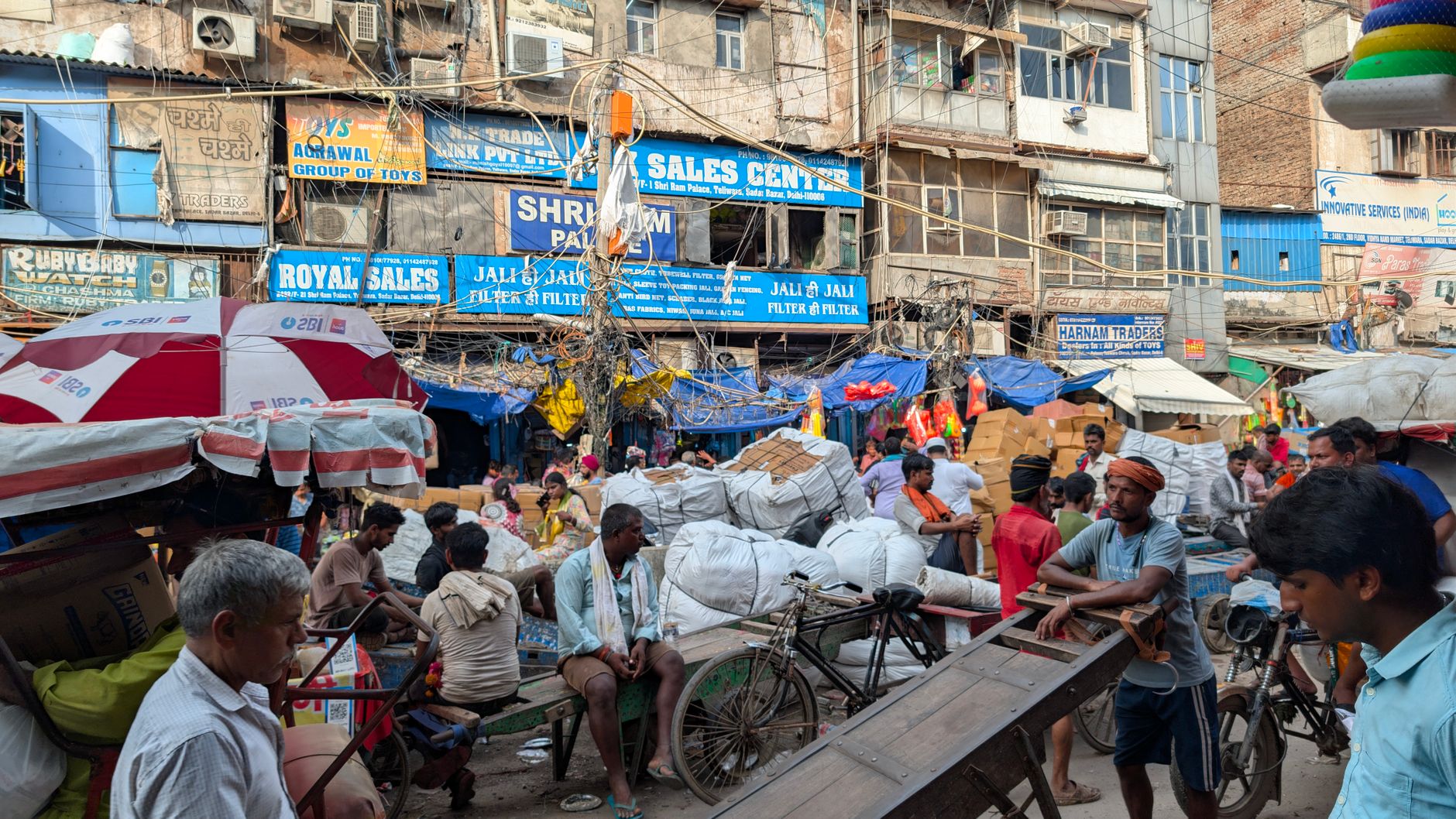
In the heart of Delhi, where bustling markets usually signal the onset of the festive season, a different scene is unfolding. Traders are grappling with deserted aisles and empty tills, urging authorities to impose restrictions on protests that are crippling their businesses.
The Chamber of Trade and Industry (CTI) has reported a staggering 70% decline in business activity over the past few days. The traders' plea is straightforward: designate a permanent protest zone and curtail major demonstrations in key commercial areas such as Jantar Mantar and Sansad Marg until the festive season concludes.
Impact on Local Economy
Connaught Place, Janpath, and Sadar Bazaar, usually teeming with shoppers during this time of year, are witnessing an unprecedented drop in footfall. The CTI chairman, Brijesh Goyal, highlighted that metro closures and traffic disruptions are deterring shoppers from visiting the capital, further aggravating the situation.
The festive season, a crucial period for traders, has become a battleground of interests. On one side, the democratic right to protest; on the other, the economic lifeline for thousands of small and medium-sized businesses.
Calls for Political Restraint
In a bid to salvage the situation, leading trade associations have appealed to political parties to refrain from organising demonstrations that might further disrupt commercial activities. The traders argue that while the right to protest is sacrosanct, it should not come at the cost of livelihoods, especially during a season that many businesses rely on to make up for leaner months.
The tension between maintaining civic freedoms and safeguarding economic interests is palpable. As the wedding season also approaches, the stakes are high for traders seeking a reprieve from the continuous disruptions.
Whether the authorities will heed the traders' call remains to be seen. Yet, the plea underscores a broader issue facing urban centres across the world: how to balance the competing demands of democracy and commerce in increasingly crowded and contested public spaces.