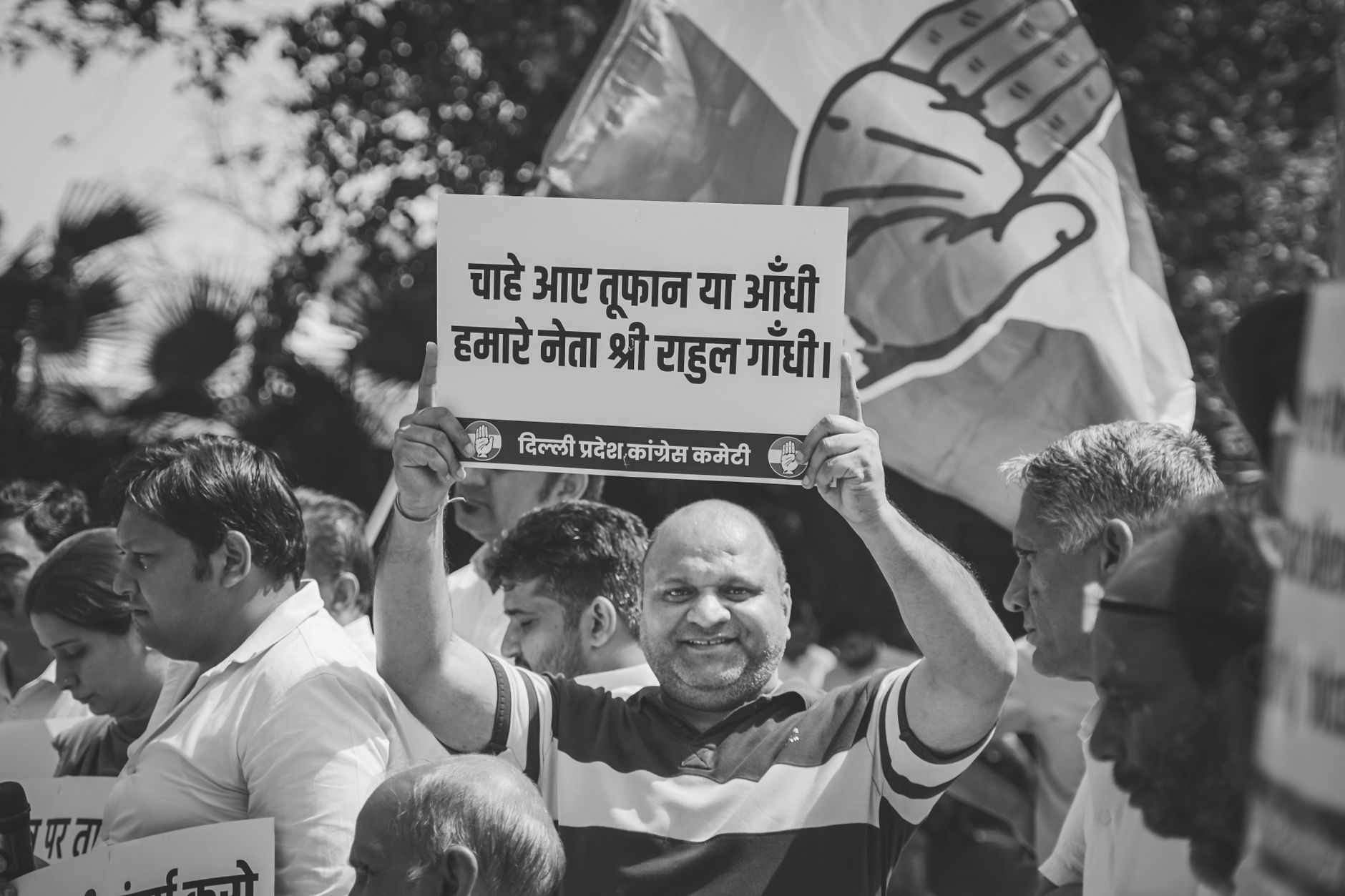
Delhi Uproar: Mass Detentions amid CJP's Protest Against CEC
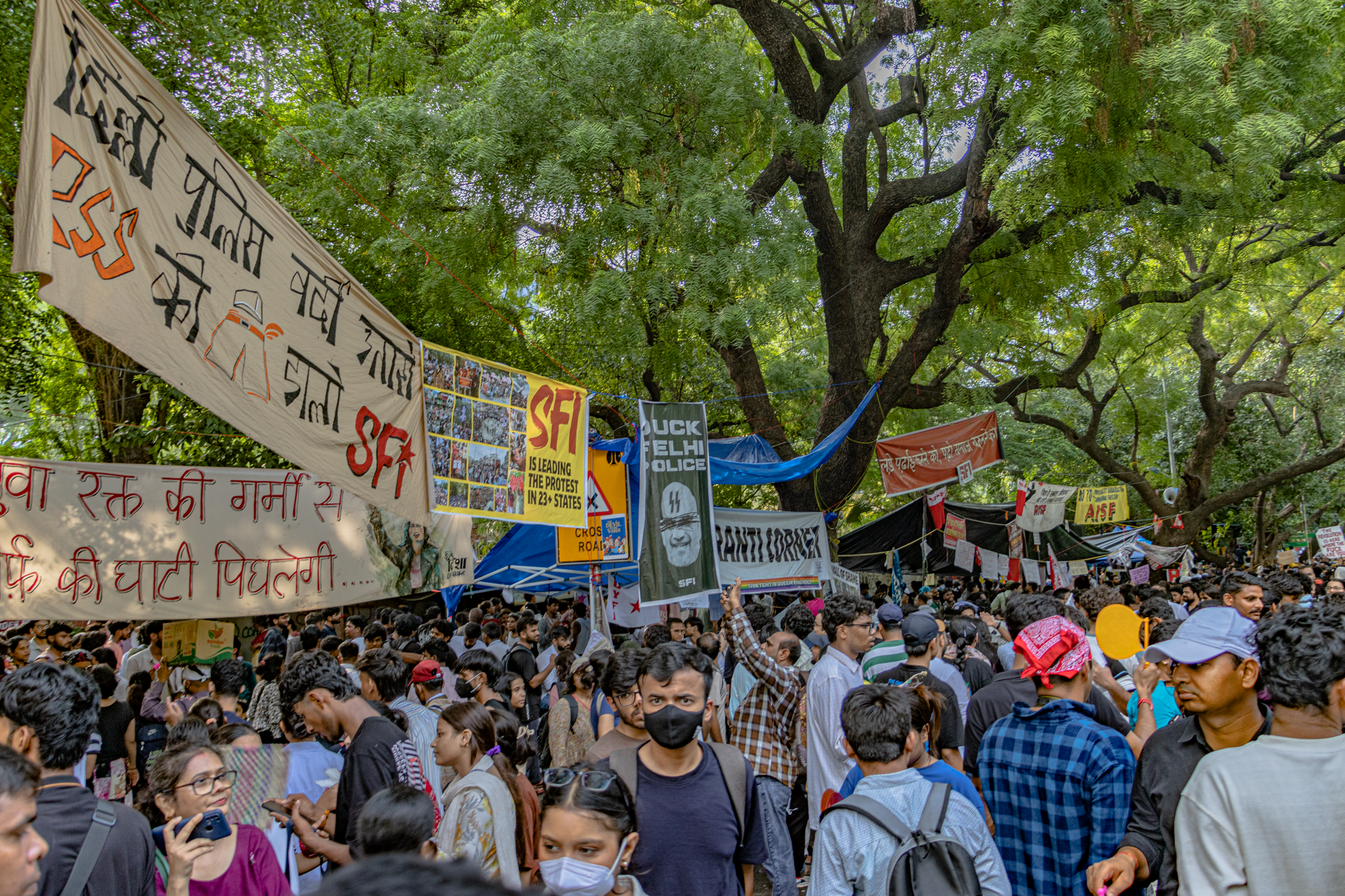
In a city accustomed to political demonstrations, the recent stir organised by the Committee for Judicial Progress (CJP) has nevertheless made significant waves. Over 3,000 individuals found themselves detained by Delhi police as they assembled to protest against Chief Election Commissioner (CEC) Gyanesh Kumar. The protests, orchestrated by CJP Founder Abhijeet Dipke, have spiralled into a major political confrontation, drawing attention across the nation.
The demonstration, originally slated to take place at Jantar Mantar, was denied permission by the authorities, citing potential disruptions to public order. Yet, this did not deter the resolute protesters, who marched onwards, demanding Kumar's resignation over alleged electoral mismanagement—accusations that have stirred considerable debate across political circles.
A Brewing Political Storm
The CJP's rally in Delhi follows a similar protest in Mumbai, where thousands gathered, calling for transparency and accountability in the electoral process. The movement has gained momentum, with support trickling in from various opposition factions, turning it into a broader critique of the electoral system under Kumar's stewardship.
Police action was swift and decisive as they moved to detain protesters attempting to reach the iconic Jantar Mantar. Official statements from the Delhi Police justified their actions, emphasising the need to maintain law and order. However, many see this as a heavy-handed approach, further fuelling the discourse on civil liberties and the state's response to dissent.
Public Sentiment and Political Ramifications
Public sentiment is a mixed bag. While some applaud the protesters' determination to hold the CEC accountable, others question the efficacy of such demonstrations in effecting real change. The political ramifications of these events are yet to unfold fully, but they have certainly brought the issue of electoral integrity to the forefront of public discourse.
As the dust settles, the CJP and its supporters remain undeterred, vowing to continue their campaign for electoral reform. Whether this movement will lead to tangible changes or simply fade into the annals of political protests remains a question of interest for both political analysts and the general public alike.