Delhi's Day of Dissent: From Airport Detentions to Street Protests
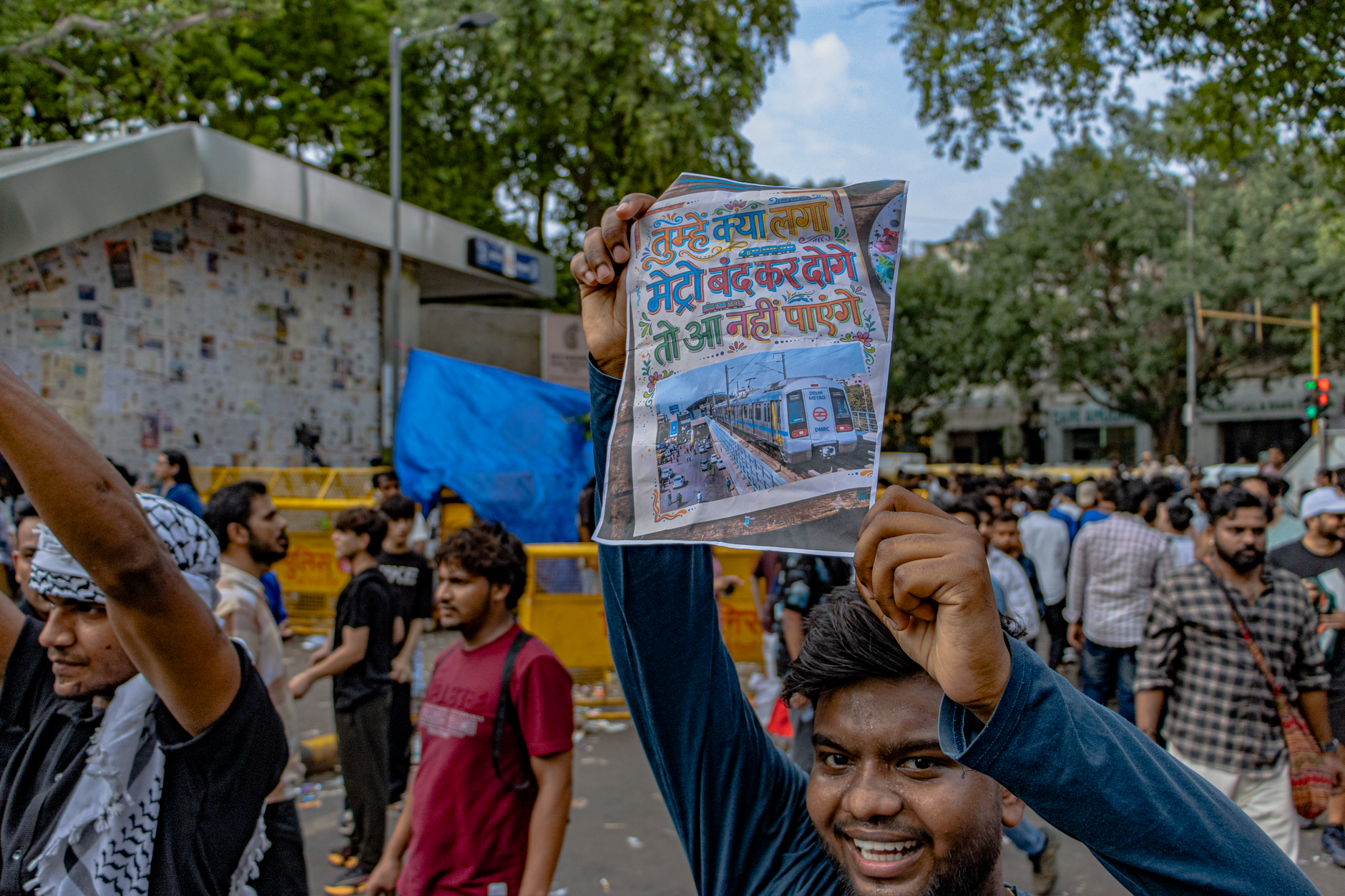
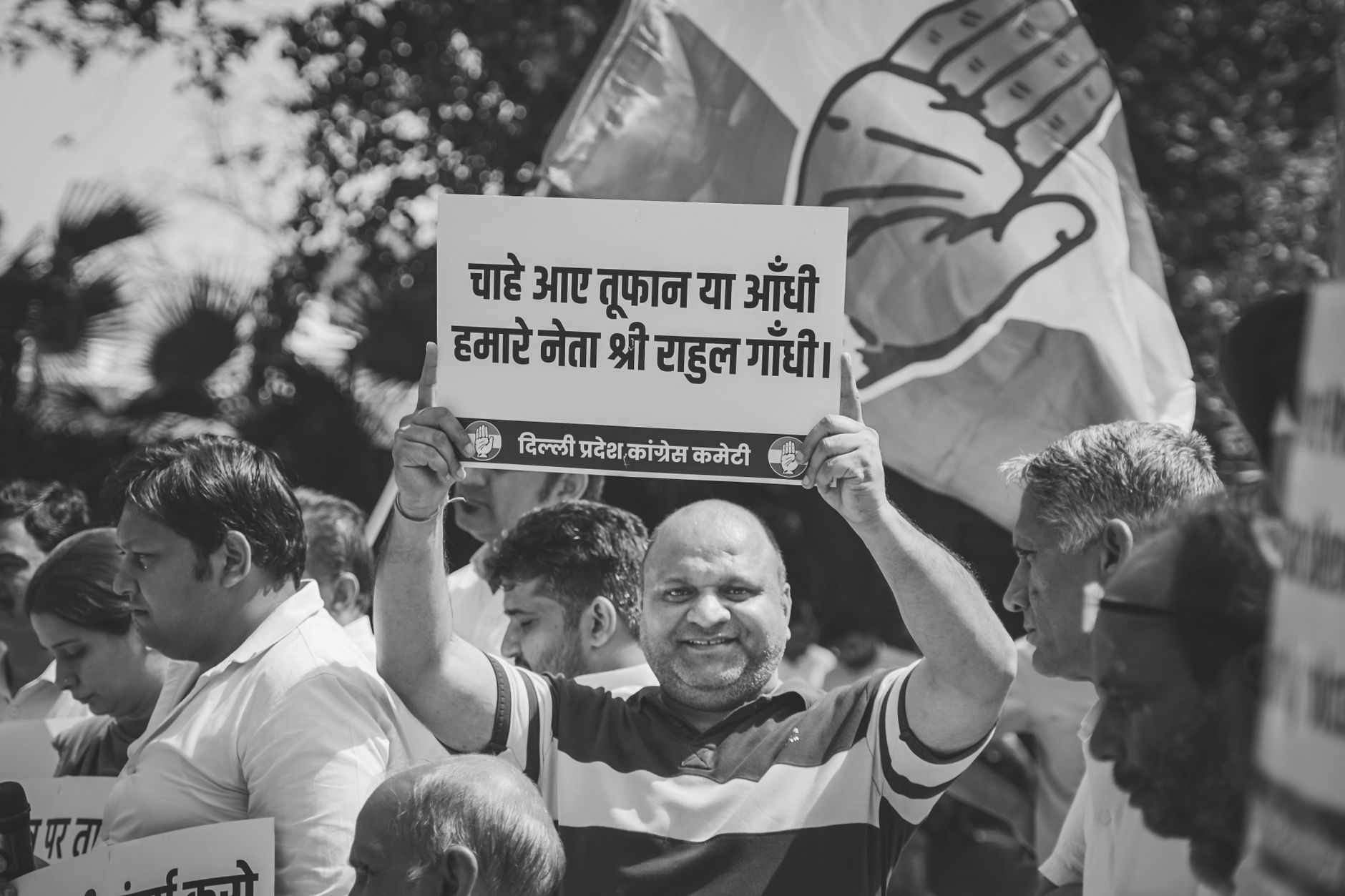
On a day when Delhi's skies threatened rain, it was not the weather but the political climate that truly stormed the capital. The streets of New Delhi became a theatre of high drama as an extraordinary security clampdown unfolded. The catalyst was the Cockroach Janta Party (CJP), a relatively nascent political force, which had called for a mass protest demanding the resignation of Chief Election Commissioner Gyanesh Kumar.
From the outset, the authorities were determined to thwart the CJP's efforts. The day began with a series of dramatic detentions, including that of CJP leaders who found themselves held within the confines of an aircraft at the Delhi Airport. This audacious move by the police set the tone for a day marked by tension and confrontation.
The heart of the matter lay in the CJP's allegations against the Election Commission's recent voter roll revisions, which they claimed were a smokescreen for disenfranchising their supporters. The police, citing potential unrest, responded with sweeping restrictions, effectively turning central Delhi into a fortress. Public transport was curtailed, checkpoints proliferated, and several key areas were cordoned off.
Meanwhile, as the protestors gathered, the scene turned increasingly chaotic. Reports of thousands being detained, including journalists and lawyers, painted a picture of a city grappling with its democratic ethos. Critics have decried the measures as heavy-handed, questioning whether such actions are becoming the norm in the world's largest democracy.
Adding a touch of irony, the Supreme Court's intervention came as a timely reminder of the judiciary's role as a guardian of civil liberties. However, its pronouncements offered little immediate relief to those already in detention or facing the brunt of police action.
A Political War of Words
The events in Delhi have sparked a political uproar, with opposition parties seizing the opportunity to lambast the ruling government. Accusations of authoritarianism and stifling dissent have flown thick and fast. The government, on its part, has defended its actions as necessary for maintaining public order.
The day's events have inevitably raised broader questions about the state of democracy in India. As citizens watched the drama unfold, many were left pondering whether the right to protest is being systematically eroded.
As the dust settles, the question remains: What does this mean for the future of political protest in India? For now, the CJP has vowed to continue its fight, setting the stage for what could be a protracted battle between the government and its critics.