Delhi’s Pollution Battle: CM and Union Minister Chart New Course
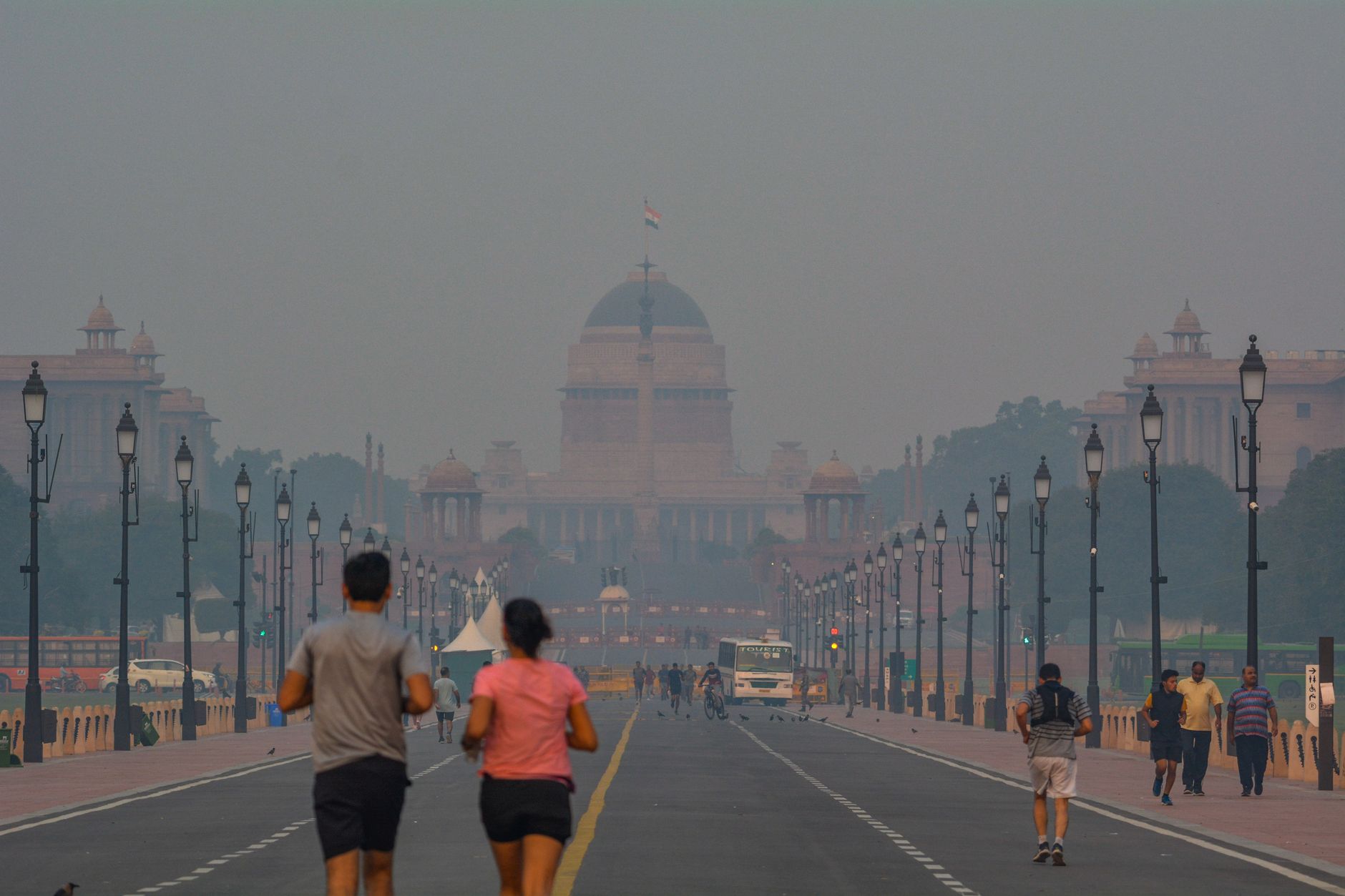
In the labyrinthine corridors of power, where policy often collides with public interest, Delhi Chief Minister Rekha Gupta sat alongside Union Environment Minister Bhupender Yadav to confront one of the capital's most persistent adversaries: air pollution. The meeting, held amidst growing public anxiety over deteriorating air quality, sought to galvanise a multi-faceted approach to this perennial problem.
Central to the discussions was the implementation of a sweeping ban on dust-generating demolition and outdoor construction activities, set to take effect from 1st November 2026. This measure, though seen by some as drastic, is a crucial component of the Graded Response Action Plan (GRAP), a strategy designed to combat air pollution in Delhi-NCR.
Urgency and Collaboration
Minister Yadav emphasised the need for immediate action in tackling 62 identified pollution hotspots around the city. Better traffic management and the removal of encroachments were among the practical steps outlined. 'We cannot afford to delay any longer,' he remarked, underscoring the gravity of the situation.
Meanwhile, the Delhi government announced the formation of a dedicated pollution monitoring panel, spearheaded by CM Gupta herself. This panel will oversee the enforcement of strict penalties for violations and ensure construction sites adhere to dust control measures. The Chief Minister stated, 'Our commitment to cleaner air demands robust surveillance and accountability.'
Beyond Immediate Measures
While immediate measures are crucial, both leaders acknowledged the need for long-term solutions. This includes investing in sustainable public transport and promoting green spaces within urban planning. Analysts suggest that the success of these initiatives hinges on the seamless cooperation between state and central governments.
The meeting concluded with a shared resolve to strengthen efforts, but the path forward is fraught with challenges. As Delhi's residents brace for another winter of hazardous air quality, the collaboration between city and central authorities offers a glimmer of hope — albeit one that requires sustained momentum and public engagement.