Delhi's Streets Erupt Amidst Political Turmoil
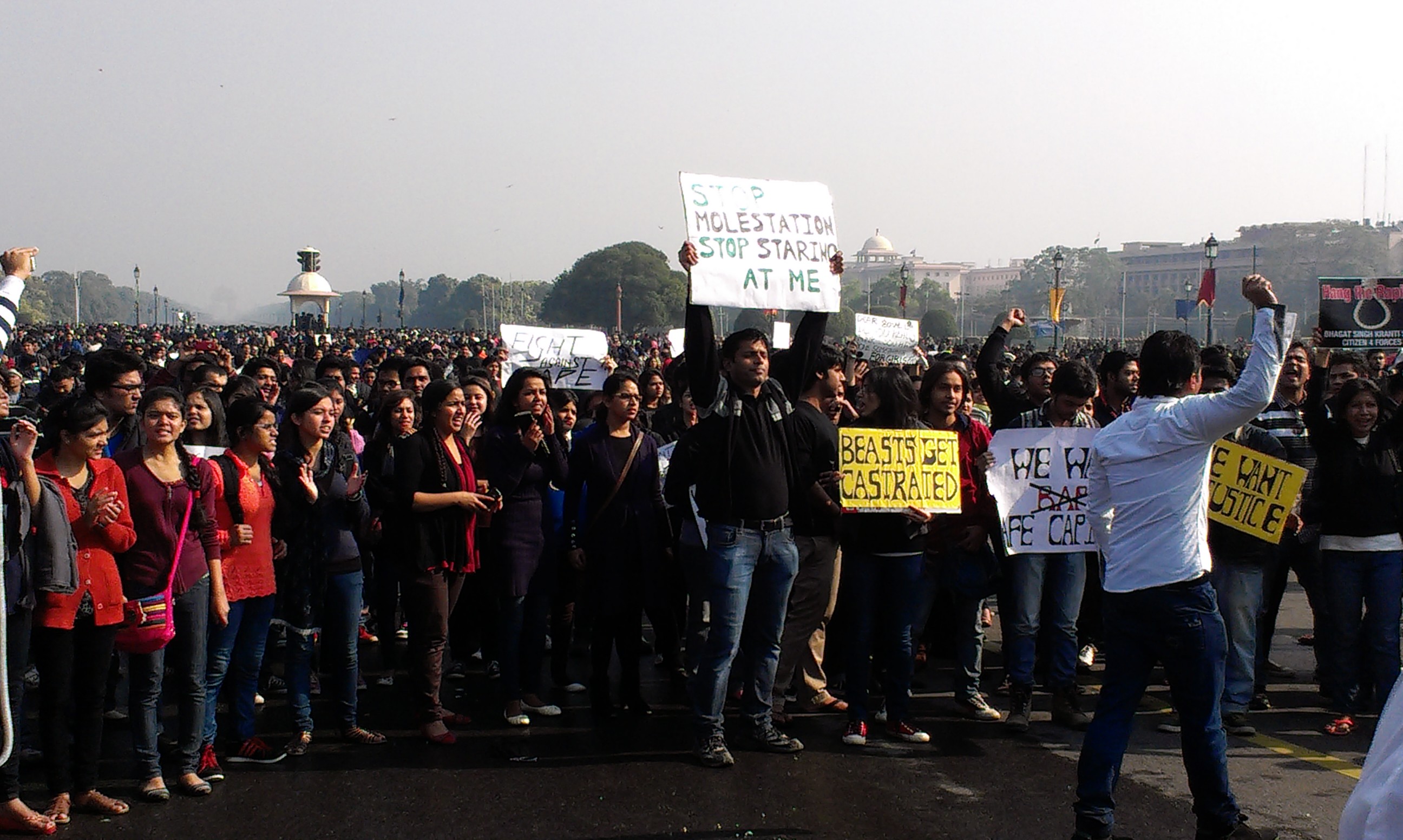
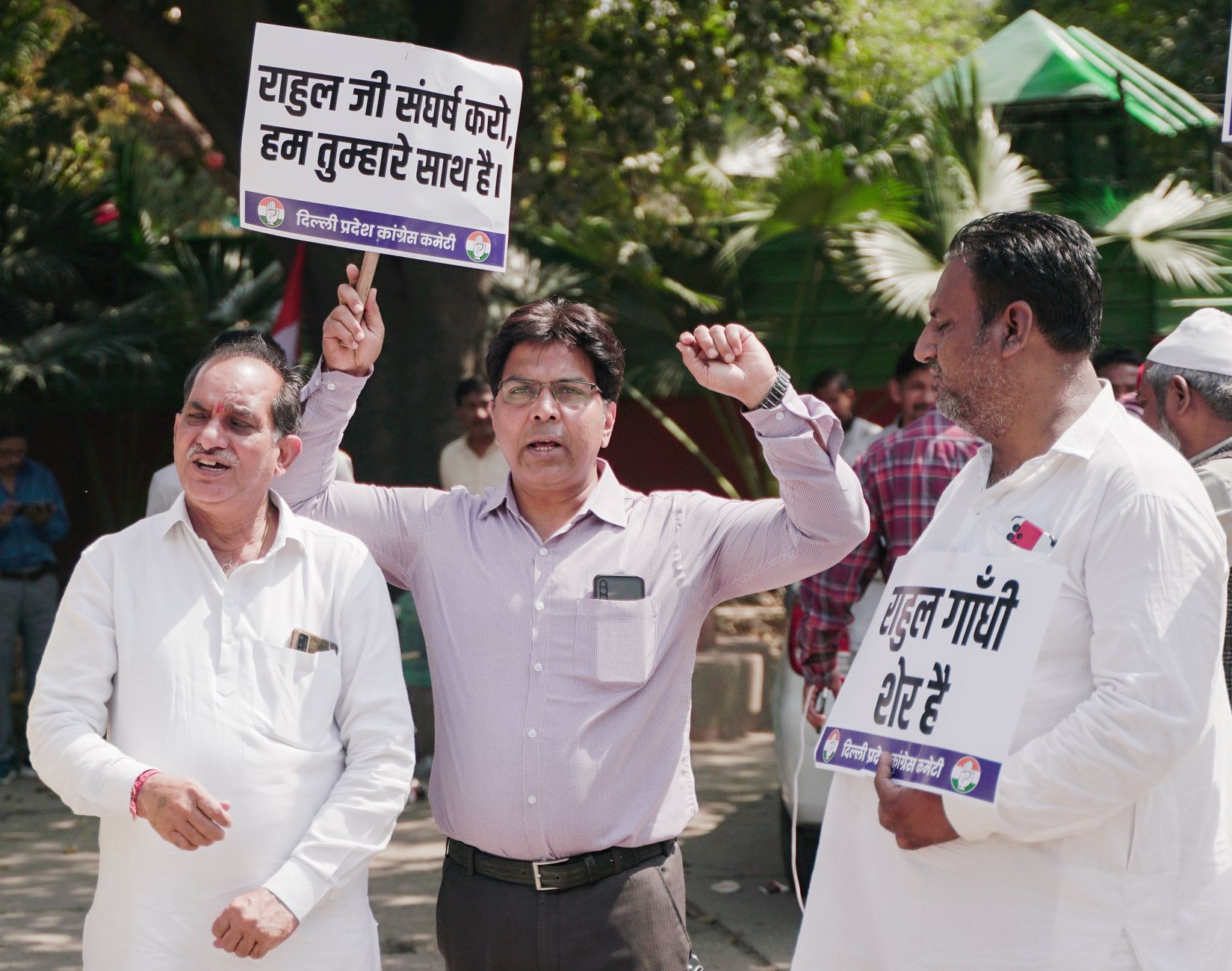
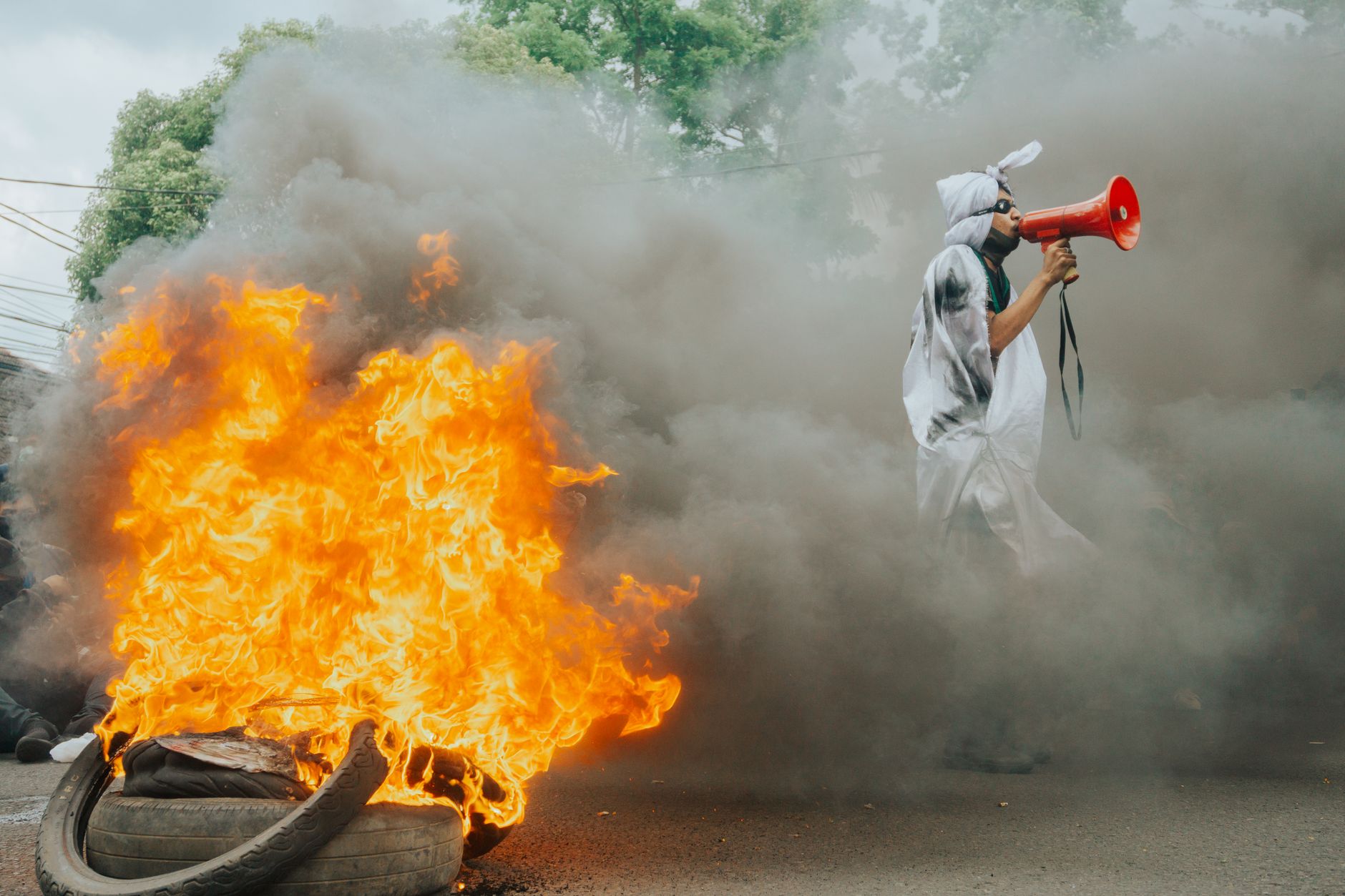
In the bustling heart of India, the streets of Delhi have transformed into a theatre of political outrage. The air, thick with chants and the scent of burning tyres, signals a populace at odds with its leaders. It's a scene reminiscent of past upheavals, yet uniquely reflective of contemporary grievances.
At the core of this discontent lies a growing frustration with economic policies perceived to favour the affluent while leaving the common man grappling with inflation and unemployment. The recent amendments to agricultural laws have only added fuel to the fire, igniting protests from a sector already reeling under pressure.
In the labyrinthine lanes of Old Delhi, shopkeepers and students alike share tales of hardship, their voices echoing a common refrain: a demand for change. This amalgamation of voices, young and old, urban and rural, underscores a rare unity in diversity. Yet, amidst this solidarity, the spectre of political manoeuvring looms large.
Government's Dilemma
The government, meanwhile, finds itself in a precarious position. Balancing economic reforms with the need for public appeasement is no small feat. Officials have called for dialogue, yet their overtures are often dismissed as too little, too late by an increasingly sceptical public.
The international community watches with bated breath, mindful of India's pivotal role in the geopolitical arena. How the government navigates this domestic turmoil could influence its global standing and economic partnerships.
Looking Ahead
The coming weeks will be critical. The streets, once silent witnesses to history, now resonate with the cries for accountability and justice. It's a moment that demands not just political rhetoric but meaningful action. The world waits, and so does India, poised at a crossroads that could define its path for years to come.