Dharmendra Pradhan's Resignation: A Political Irony Unfolds
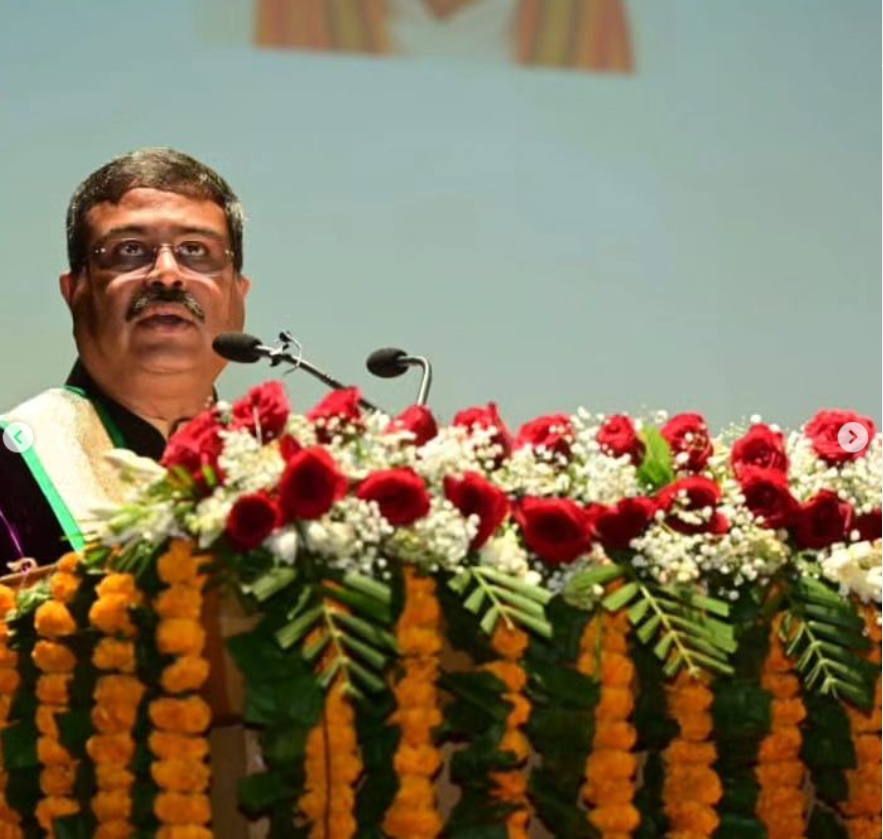
In an unexpected twist of fate, Dharmendra Pradhan, India's Education Minister, has tendered his resignation amid the ongoing uproar surrounding the NEET paper leak. The situation is laden with irony; decades ago, Pradhan’s political journey commenced with a protest against a similar examination scandal. Today, he exits the same arena under a cloud of controversy not unlike that which first propelled him into the public eye.
Pradhan, who has held several key ministerial roles, including those in Petroleum, Natural Gas, and Skill Development, is no stranger to the ebbs and flows of political fortune. Yet, this resignation marks the first instance within Prime Minister Narendra Modi's cabinet where public pressure has directly led to a minister stepping down.
A Symbolic Departure
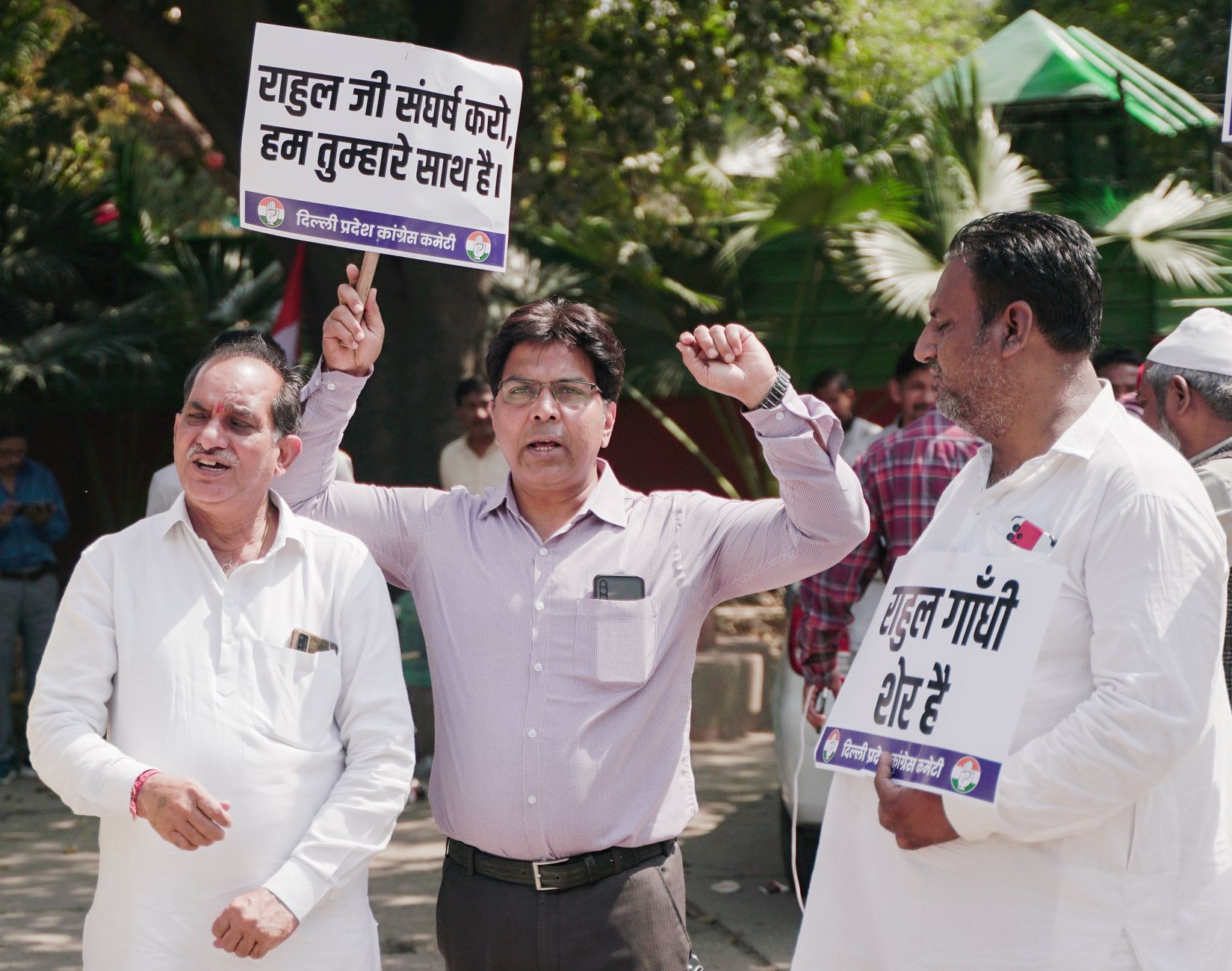
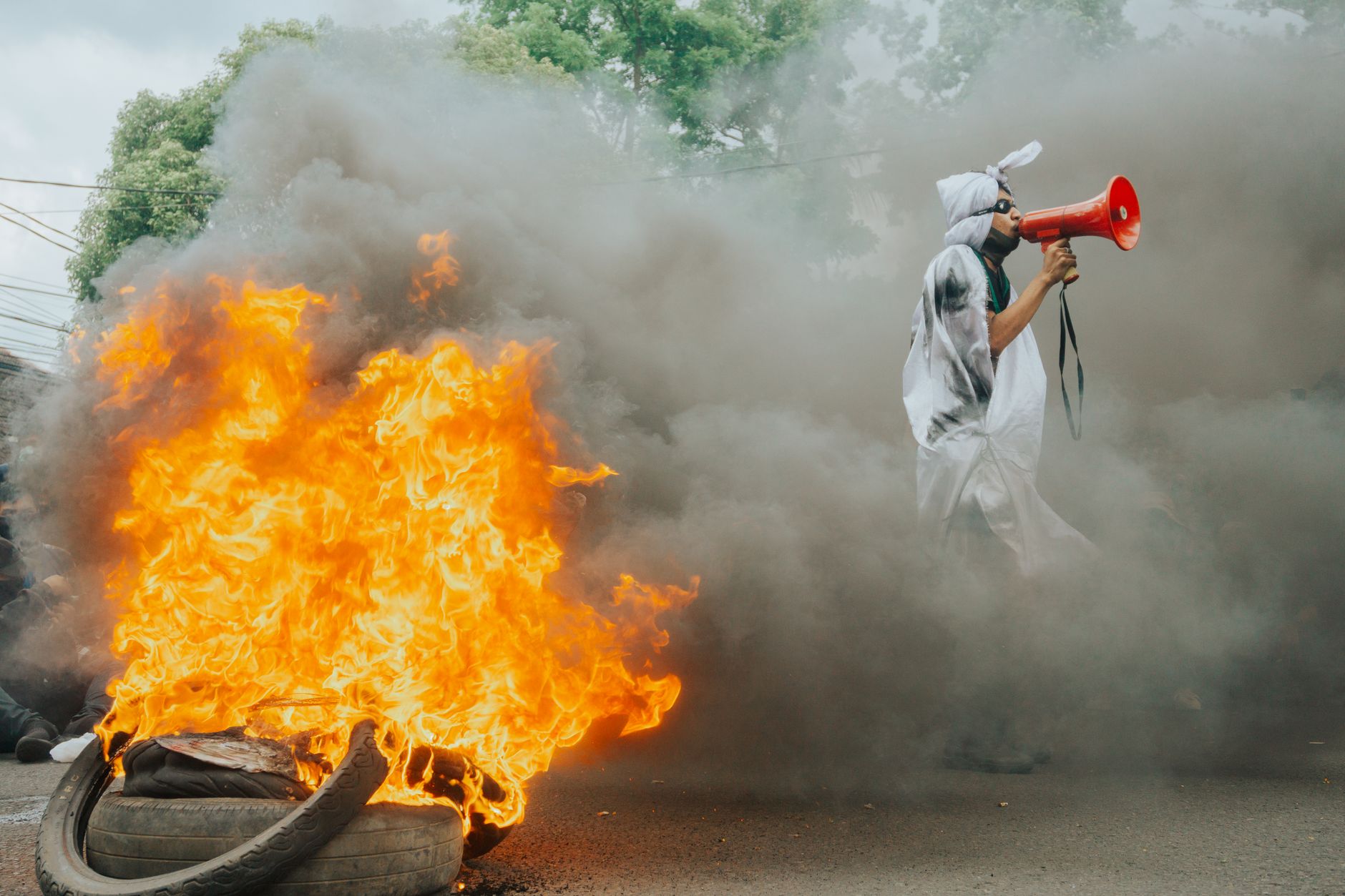
Pradhan’s resignation is more than a mere administrative change; it is symbolic of the increasing power of public opinion in Indian governance. The protests against the NEET paper leak have been vociferous, with student groups and opposition parties demanding accountability. The scale of the agitation suggests a growing intolerance for perceived governmental negligence, especially in sectors as critical as education.
While top government sources initially dismissed the possibility of Pradhan stepping down, the mobilisation of student protests and the insistence of the Chief Justice of India on ministerial accountability ultimately made his position untenable. It is a testament to the democratic ethos that continues to evolve in India, where public sentiment can sway political decisions.
Political Implications
The implications of Pradhan’s resignation extend beyond the immediate controversy. It challenges the perception of invulnerability that has often surrounded Modi’s ministers, suggesting that even high-ranking officials are not immune to public accountability. This development could set a precedent for future government actions, particularly in cases where public trust is at stake.
As India navigates the complex landscape of modern governance, Pradhan’s resignation serves as a reminder that political careers can be as transient as the public’s patience. It underscores the need for transparency and responsiveness from those in power—a lesson that resonates across party lines.