Did the 2026 FIFA World Cup Live Up to the Hype?
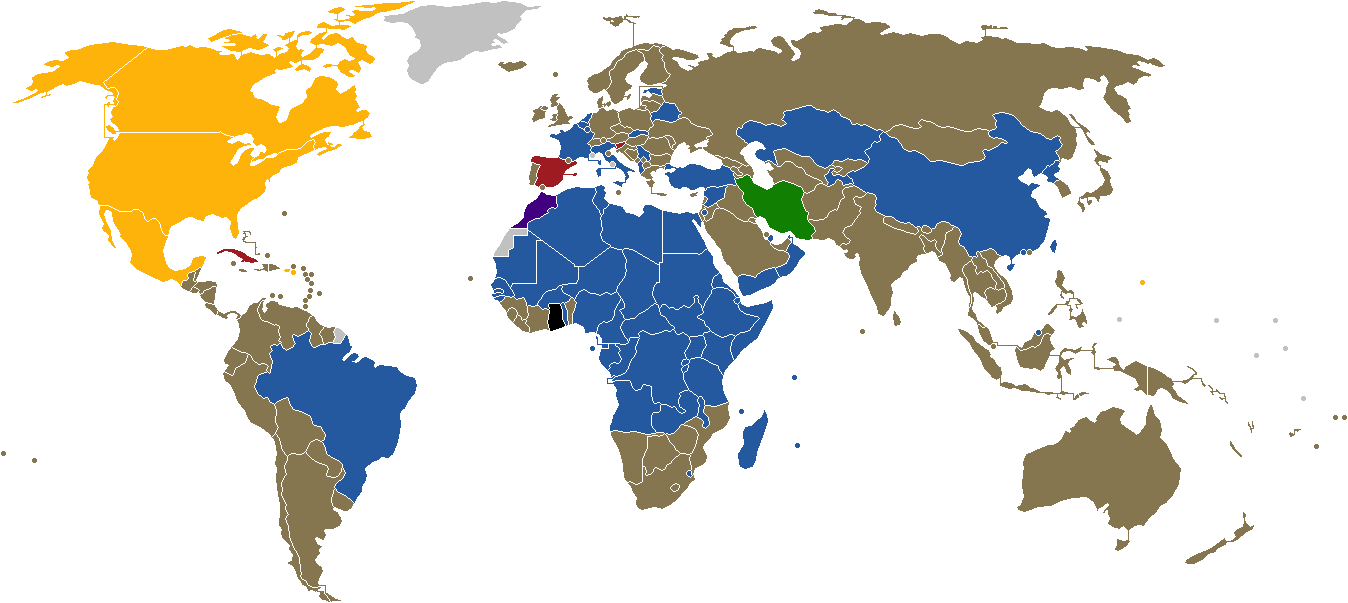
The dust has settled on what was hailed as the most ambitious FIFA World Cup yet. Spanning the breadth of North America, the 2026 tournament was a logistical marvel, drawing together 48 teams from every corner of the globe. While Spain's triumph in the final against Argentina was a testament to their prowess, the tournament has sparked debate over its execution and legacy.
For many, the expansion to 48 teams was both a blessing and a curse. On the one hand, it allowed for greater diversity, giving nations like Qatar and New Zealand a chance to shine on the world stage. However, critics argue that the increased number of matches led to a dilution of quality, with some fixtures failing to capture the excitement typically associated with World Cup clashes.
The Role of the Host Nations
The United States, Canada, and Mexico each played their part in hosting duties, with the final spectacularly staged in New York. The infrastructure in these countries was largely praised, yet some fans expressed concerns over the vast distances between venues, which posed challenges for those attempting to follow their teams across the continent.
Nonetheless, the fan experience was largely positive, with the host nations showcasing their cultural diversity and hospitality. The Topps Halftime Show, featuring a blend of international and local talent, was a particular highlight, drawing millions of viewers worldwide.
Footballing Prowess and Tactical Display
On the pitch, the 2026 World Cup boasted some of the finest football seen in recent tournaments. The semi-finals featured four former champions, a nod to the enduring strength and tactical sophistication of football's elite. Spain's victory, their first since 2010, was celebrated for its strategic brilliance and defensive solidity.
As the tournament concluded, FIFA's rankings reflected the competitive nature of the event. For the first time since the rankings' inception, the four top-ranked teams were the semi-finalists, a testament to the quality of play on display.
In conclusion, while the 2026 World Cup has its detractors, it undeniably pushed the boundaries of what is possible on the world stage. Its legacy will likely be debated for years to come, but for now, it stands as a testament to football's unifying power and global appeal.