Digital Hawala's Unseen Role in Money Laundering and Terrorism
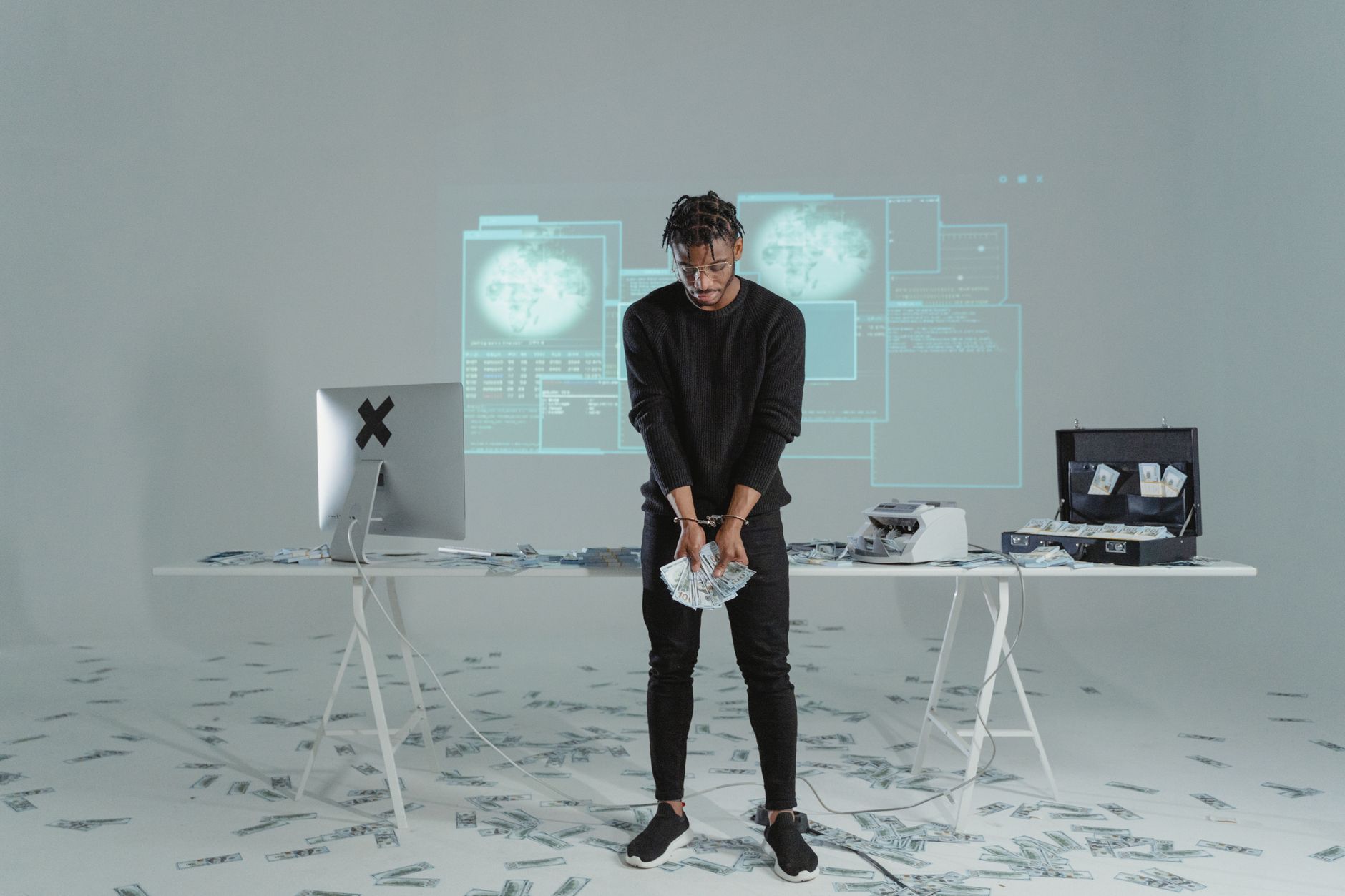
In the shadowy world of money laundering and terror financing, an ancient system has found a new life. Digital hawala, a modern twist on a centuries-old method of transferring money, has emerged as a clandestine artery in the financial underworld. Its allure lies in its capacity to move vast sums swiftly across borders without the prying eyes of regulation.
Traditionally, hawala operates through a network of brokers who rely on trust and personal connections rather than formal contracts or banking systems. With the advent of digital technology, these networks have transcended geographical boundaries, acquiring a speed and reach that traditional banking systems envy, yet they remain largely untouched by regulatory oversight. While the FATF attempts to strengthen anti-money laundering measures, the very act of tightening the screws has inadvertently driven some legitimate businesses towards these informal channels.
The risks extend far beyond mere financial indiscretions. The digital hawala system provides a discreet means for terrorists to finance operations without leaving a traceable trail. Reports have surfaced of over €500 million being funnelled through such methods in a matter of months, underscoring the scale and audacity of these operations.
For law enforcement, the task is daunting. The trust-based nature of hawala, coupled with its digital evolution, makes it a formidable opponent. Tracking these transactions requires international cooperation and sophisticated technology, an area where many jurisdictions lag.
Yet, the digitalisation of hawala is not merely a story of crime and subterfuge. It reflects a broader trend in financial services: the push and pull between innovation and regulation. As governments grapple with the implications of digital currencies and decentralised finance, the lessons from digital hawala are stark. Regulation must evolve in step with technology, not lag behind it, if the tide of financial crime is to be stemmed.