Digital Innovations Revolutionise Forestry Management
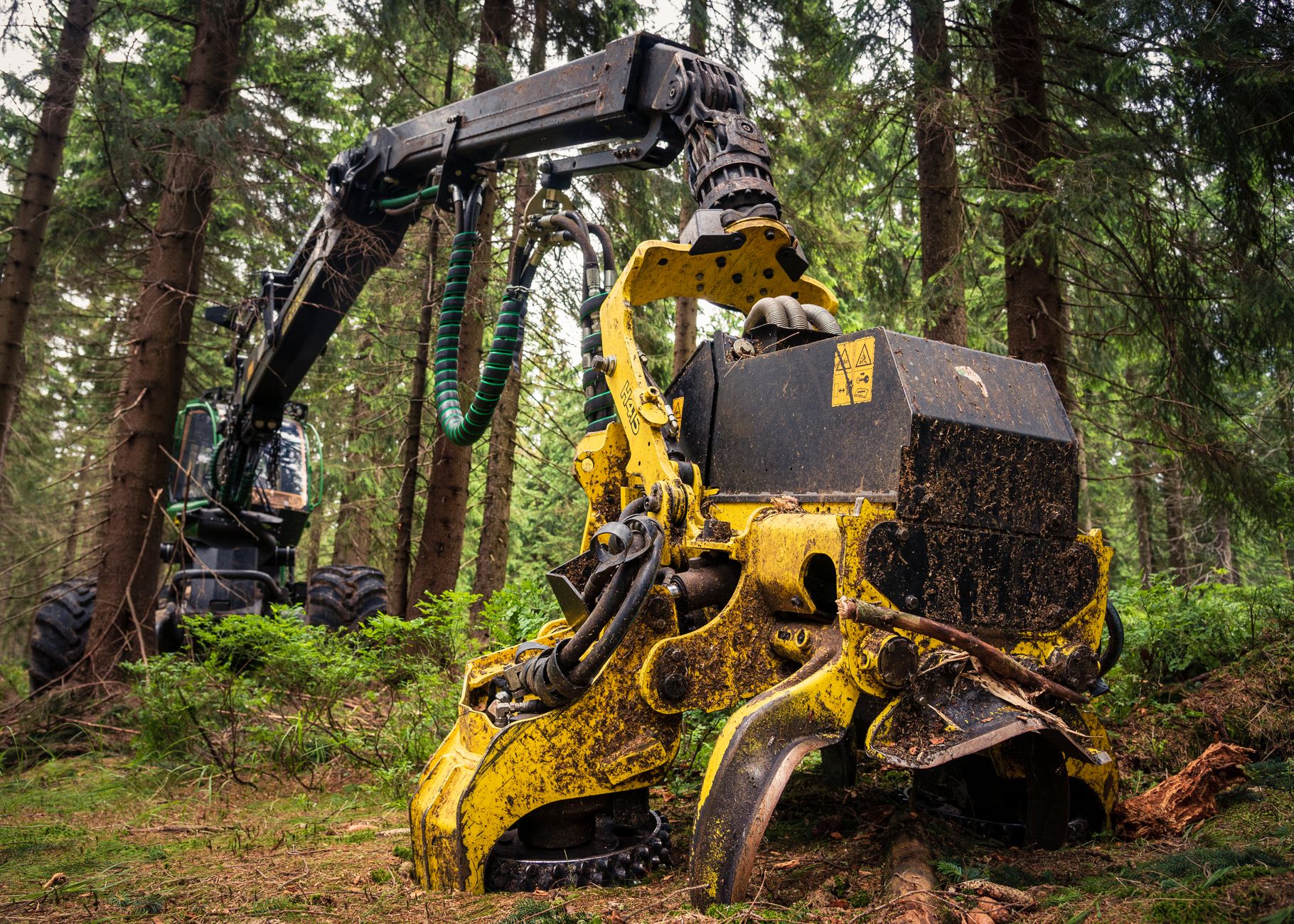
The rustle of leaves in the forest is being accompanied by a digital symphony, as technology takes root in the forestry industry. The shift, dubbed Forest 4.0, is steering the sector towards a future where efficiency and sustainability go hand in hand. This revolution is not just about felling trees more quickly, but about managing forests more wisely.
Traditionally, forestry has been a labour-intensive industry, often lagging behind in adopting new technologies. However, the integration of IoT (Internet of Things) devices, AI (Artificial Intelligence), and big data analytics is changing this narrative. These tools are enabling real-time data acquisition, allowing forest managers to monitor and optimise operations with unprecedented precision.
The Promise of Enhanced Productivity
Operators have reported a marked increase in productivity, with figures suggesting a 20% rise. This boost is partly due to extended operational hours of machinery, facilitated by digital tracking and performance-based incentives. Machines, once limited by human oversight, are now working longer and smarter, thanks to autonomous technologies.
Moreover, the use of AI and machine learning is not just improving efficiency but also fostering sustainability. These technologies help in predicting growth patterns, assessing tree health, and even identifying areas at risk of disease or deforestation. Such insights are invaluable for maintaining ecological balance while meeting production needs.
Towards a Sustainable Future
The implications of this digital transformation extend beyond mere productivity gains. As the sector becomes more data-driven, it is poised to tackle environmental challenges more effectively. With autonomous vehicles reducing emissions and precision forestry minimising waste, the industry is setting a new standard for sustainability.
While the transition to a fully digital forestry sector is not without its hurdles—such as the initial costs and the need for skilled personnel—the potential benefits are too significant to ignore. As technology continues to evolve, so too will the methods by which we manage our natural resources.
In this brave new world of forestry, the trees may remain silent, but the buzz of innovation will certainly not.