Dipke Calls for Education System Reform Amid IIT Delhi Protest
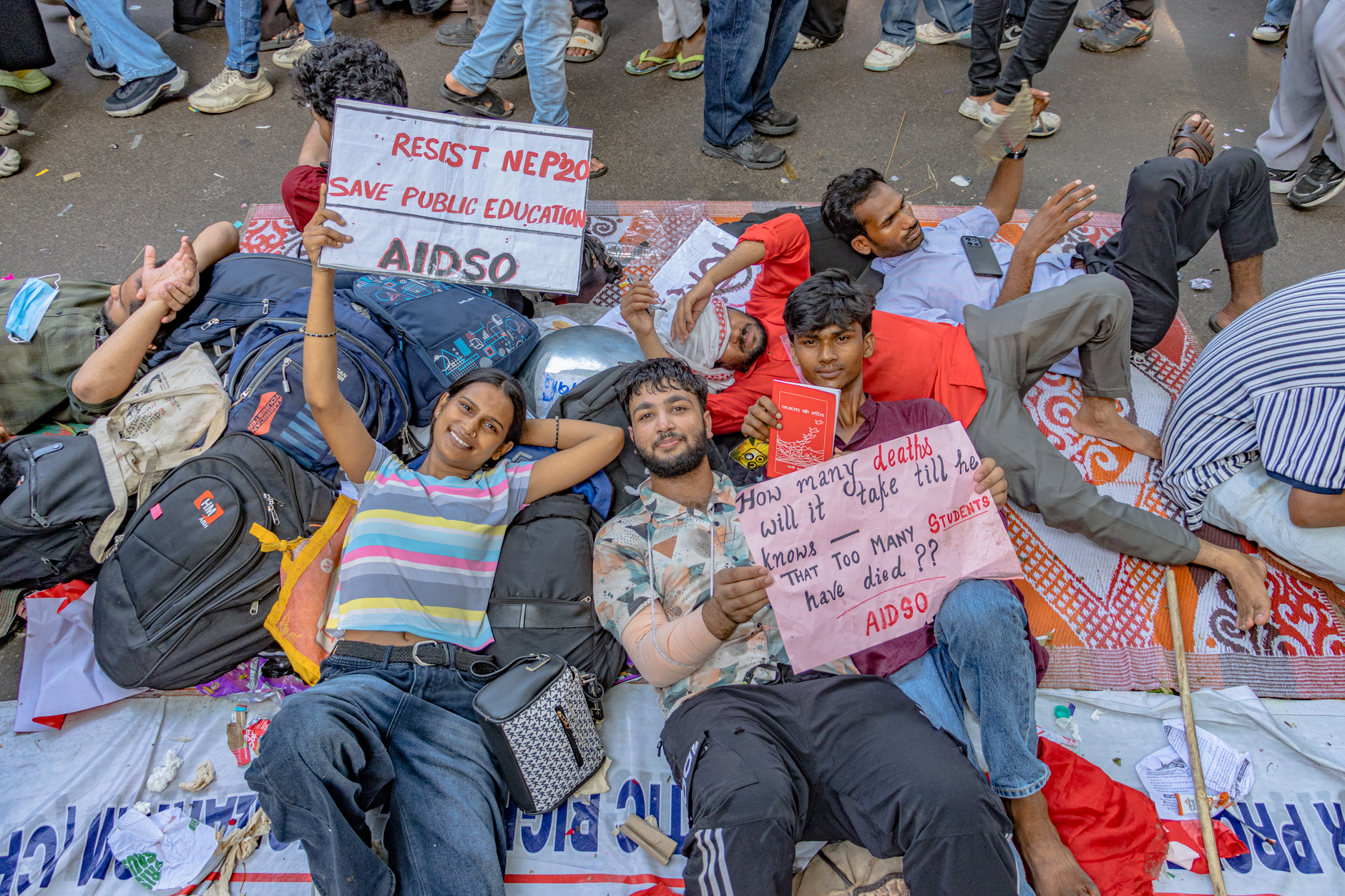
The recent suicide of a 31-year-old MSc student at IIT Delhi has sparked a wave of protests and a call for action that reverberates across the nation. At the forefront of this movement is Abhijeet Dipke, founder of the Cockroach Janata Party, who has demanded a comprehensive overhaul of India's education system. His impassioned plea follows reports of 11 student suicides in recent weeks, a grim statistic that heightens the sense of urgency.
Dipke, a dynamic political figure known for his unorthodox methods, has raised concerns about the mental health pressures faced by students in the country’s premier institutions. “The education system is not just failing our students academically, but it is also failing them emotionally,” Dipke remarked during a recent press conference. He highlighted the acute stress stemming from academic performance pressures and the looming threat of re-examinations, which he believes contribute to the deteriorating mental health crisis.
A System Under Scrutiny
The protests at IIT Delhi have crystallised a broader dissatisfaction with the systemic issues plaguing higher education in India. Students have expressed dismay over what they see as the politicisation of their plight. Saksham, a second-year BTech student, voiced the prevailing sentiment: “We are here to study, not to be used as political pawns.” His words underscore the growing concern that genuine student welfare is being overshadowed by political agendas.
As the protests unfold, Dipke has organised a planned march to Parliament, pushing for the resignation of the Education Minister and demanding compensation for the families of the deceased students. The march, set against a backdrop of heightened police presence at Jantar Mantar, symbolises a rallying cry for tangible reform rather than mere rhetoric.
The Road Ahead
While the call for reform is not new, Dipke's approach has resonated with a younger demographic disillusioned by the status quo. His ability to navigate the intersection of education, politics, and social justice has put traditional parties on the defensive, forcing them to reckon with issues long ignored. As the nation watches, the hope is that this moment of reckoning will lead to substantive changes, ensuring that students can pursue their education free from undue pressure and fear.