Dipke's Call to Reform India's Education System After IIT Delhi Tragedy
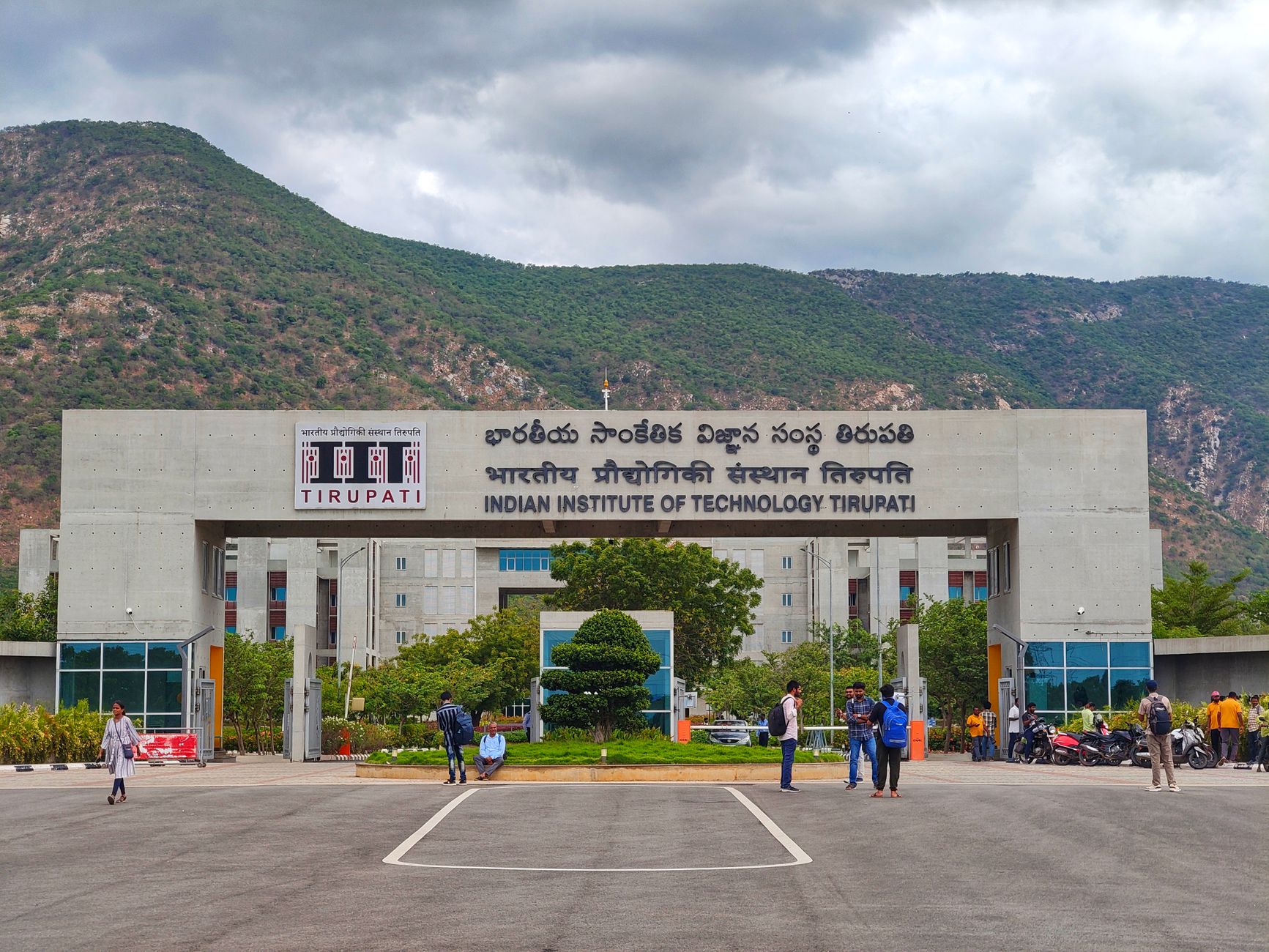
The tragic suicide of a 31-year-old MSc student at the Indian Institute of Technology (IIT) Delhi has reignited a long-standing debate over the state of India's education system. Abhijeet Dipke, the founder of the unconventional Cockroach Janata Party, has emerged as a vocal advocate for reform, demanding a 'complete overhaul' of the system.
Dipke, known for his 'School Thik Karo' campaign, took to the social media platform X, highlighting the alarming statistic of 65 suicides among IIT students over the past five years. His call for change is not just a reactionary plea but a demand for a systemic transformation to create educational environments where students feel 'supported, heard, and hopeful about their future.'
A National Crisis
The issues at IIT Delhi are symptomatic of a broader crisis affecting educational institutions across the nation. Protests have erupted not only in the capital but also in states like Jharkhand, reflecting widespread discontent with the current educational framework. Students in these protests have expressed frustration over what they perceive as an increasingly politicised educational landscape, which they argue detracts from the core mission of learning and personal growth.
Dipke's remarks have resonated with many who believe that the pressures of the current system, characterised by intense competition and a lack of mental health support, are unsustainable. There is a growing consensus that the educational system needs to evolve to meet the needs of the 21st century, where mental well-being is as critical as academic achievement.
Calls for Systemic Change
While some critics argue that Dipke's approach is overly simplistic, his insistence on reform has sparked crucial discussions about the role of education in modern India. The call for change is not limited to reducing academic pressure but also includes fostering an environment that prioritises student welfare.
As the protests continue, the organisers of these movements have vowed to maintain pressure on authorities until substantial changes are made. The need for reform is pressing, and the tragic events at IIT Delhi have served as a stark reminder of the consequences of inaction.
The coming months will be pivotal in determining the direction of India's educational policies. Will the voices calling for reform be heard, or will they be lost in the cacophony of political manoeuvring? One thing is certain: the status quo is no longer an option.