Diplomatic Tensions Rise as US Expels Iranian Delegates

In a dramatic escalation of tensions, the United States has expelled two members of the Iranian delegation who attended the recent United Nations General Assembly. The decision, announced by the US State Department, was attributed to the diplomats overstaying their welcome, invoking an immediate and tart rebuke from Tehran, which lambasted the action as 'oozing defeat'.
The expulsion underscores the persistent strain in US-Iran relations, already fraught with complexity. The Iranian foreign ministry condemned the move, accusing Washington of 'diplomatic thuggery'. The incident is a stark reminder of the fragile nature of international diplomacy, particularly in regions simmering with geopolitical tension.
Strait of Hormuz: A Theatre of Tension
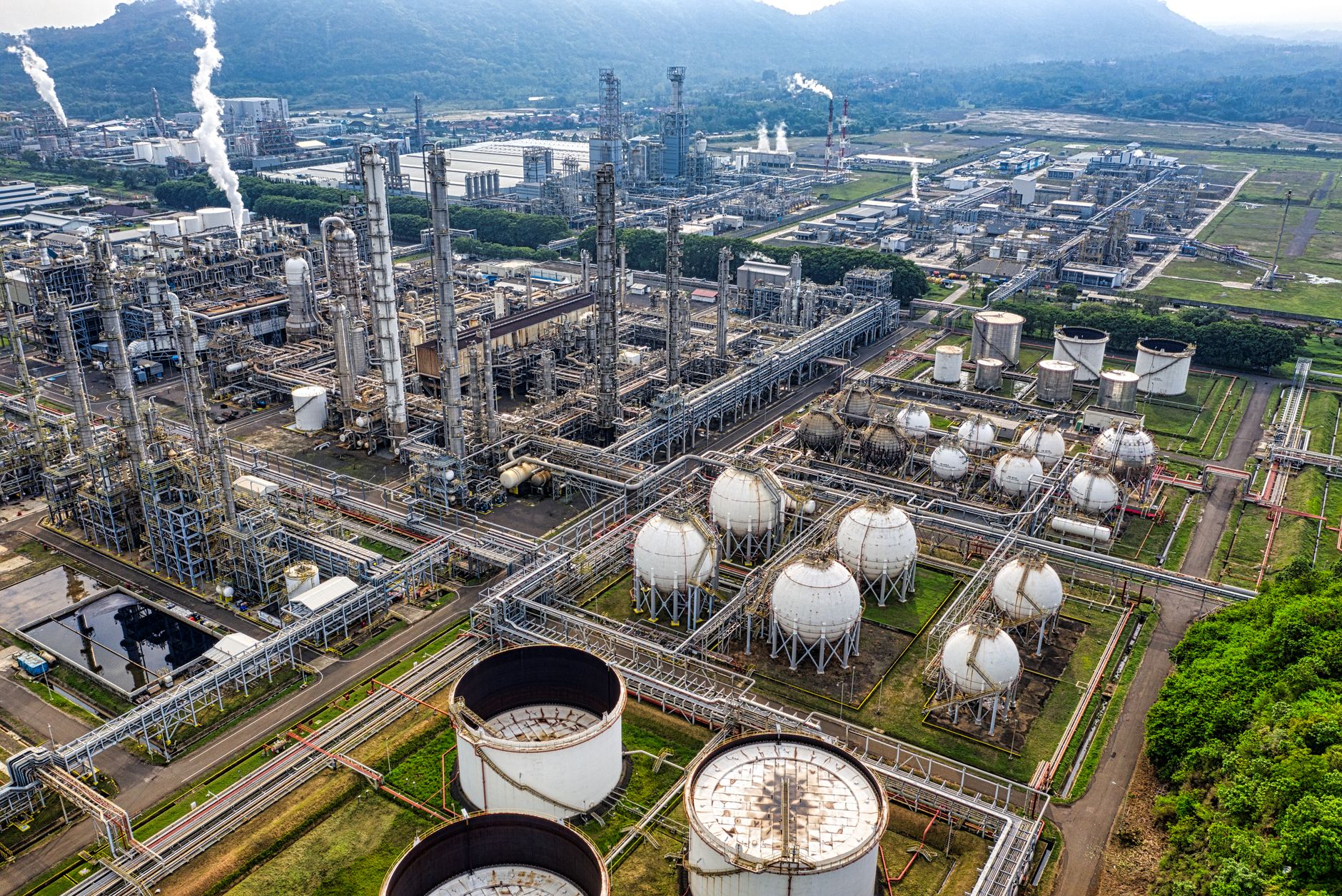
This diplomatic spat coincides with renewed unrest in the Strait of Hormuz. The UK Maritime Agency recently reported 'unknown projectiles' striking two oil tankers in the strategically vital waterway. Such incidents have historically exacerbated US-Iran tensions, given the strait's pivotal role in global oil supply.
Both nations have a vested interest in maintaining influence over this maritime chokepoint. However, the recent events suggest a further fracturing of what fragile dialogues existed. The US continues to assert its military presence in the region, a move Iran claims undermines peace efforts.
Calls for Just Negotiations
Tehran has reiterated its call for negotiations based on justice, dismissing any military solution as untenable. Iran's leaders argue that diplomatic engagement, rather than coercive tactics, is the only viable path forward. Yet, with rhetoric hardening on both sides, the prospects for meaningful dialogue appear slim.
As the world watches, the question remains whether cooler heads will prevail or if the current trajectory will lead to further conflict. The stakes, both economic and geopolitical, are undoubtedly high.