Discover the Vital Role of Your Calves: The Body's 'Second Heart'
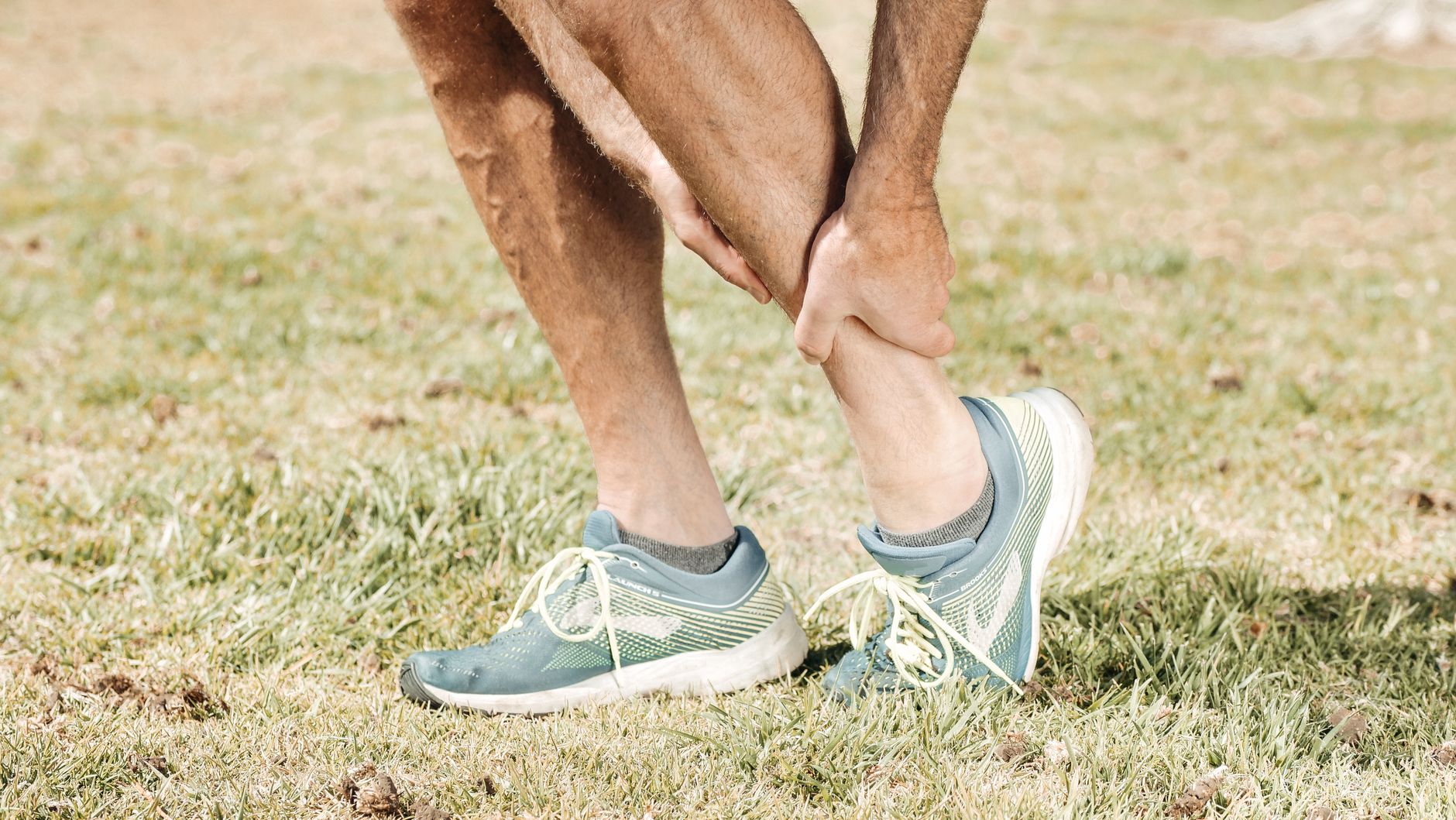
Amidst the marvels of human anatomy, one might overlook an unsung hero residing in the lower leg: the calf muscle, often heralded as the body's 'second heart'. While the heart tirelessly pumps oxygen-rich blood to every corner of our body, the journey does not end there. The return trip, especially from the legs, is where the calf muscles take a bow.
Referred to as the calf muscle pump, these muscles contract with every step we take, propelling blood back towards the heart. This process, known as venous return, is crucial in maintaining circulation and preventing conditions like swelling and varicose veins. Without this assistance, gravity would make the upward journey of blood significantly more challenging.
The Mechanics of the 'Second Heart'
The calf muscles, primarily the soleus and gastrocnemius, engage in a rhythmic contraction that mimics the pumping action of the heart. When these muscles contract, they squeeze the veins, pushing the blood upwards. This action is particularly vital because veins, unlike arteries, lack the robust muscular walls required to exert a strong pumping force.
In this context, the calf muscles perform a dual role. They support locomotion and ensure the efficient flow of blood back to the heart, reducing the risk of stasis and associated complications.
Keeping the 'Second Heart' Healthy
As with any muscle, the calf muscles require regular exercise to maintain their efficacy. Activities that engage these muscles, such as walking, running, cycling, or even simple heel lifts, can keep them in optimal condition. Additionally, maintaining a healthy body weight reduces unnecessary strain on these 'pumps'.
Understanding the role of the calf muscles in circulatory health underscores the interconnectedness of our bodily systems. By appreciating and nurturing our 'second heart', we take a step towards comprehensive cardiovascular health.