DMK's Electoral Defeat: A Lesson in Political Dynamics
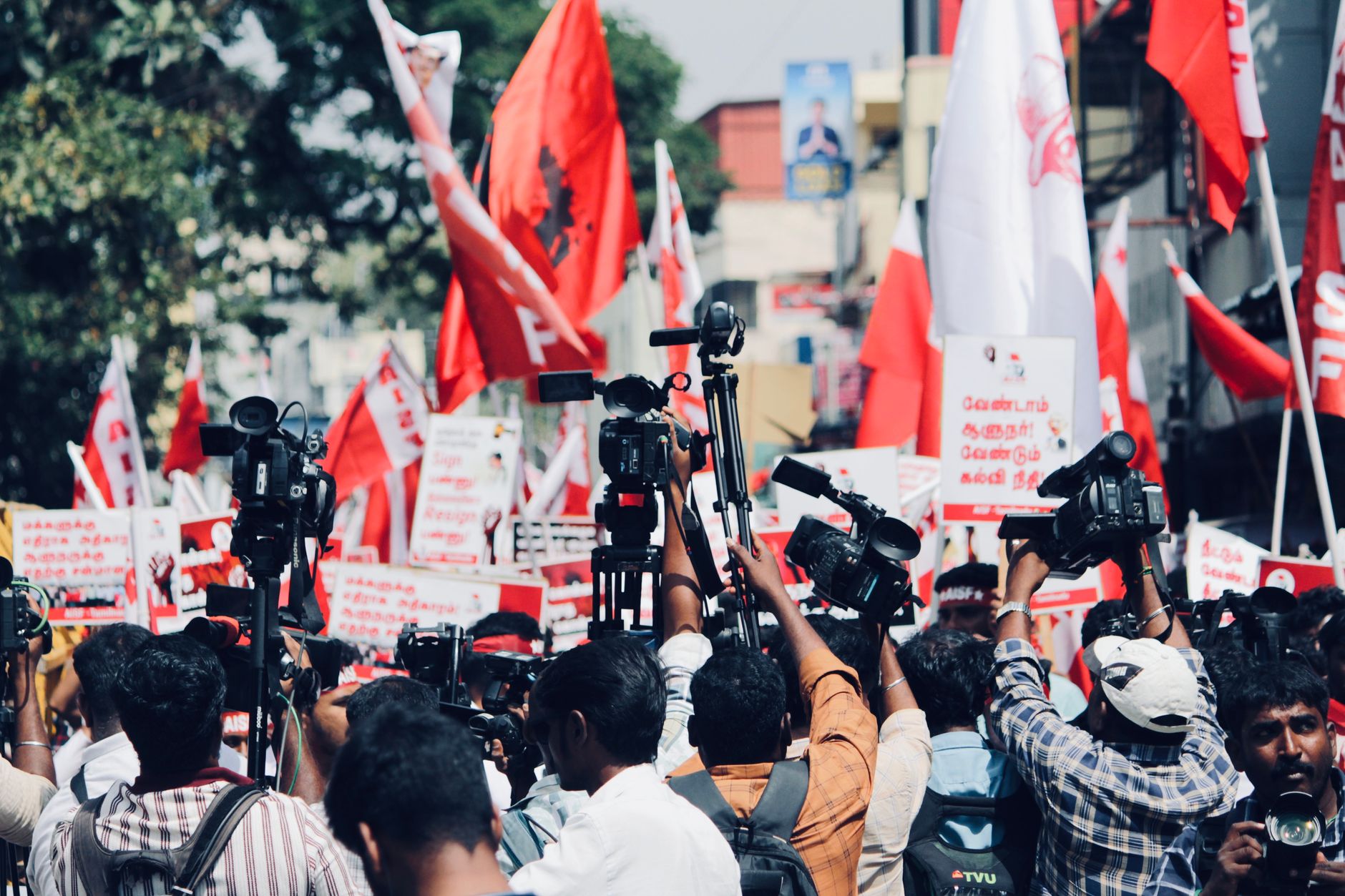
In the aftermath of its electoral drubbing in Tamil Nadu, the Dravida Munnetra Kazhagam (DMK) finds itself at a crossroads. The once unassailable force in the state's politics has been handed a sobering defeat, not least due to the unexpected loss of Chief Minister M.K. Stalin in his Kolathur constituency. As the dust settles, the DMK leadership, while publicly accepting the verdict with grace, must now grapple with a more profound question: what precisely led to this downfall?
The defeat of Stalin, a political scion with deep roots in Tamil Nadu, is emblematic of a broader discontentment that the party might have underestimated. V S Babu, a relatively obscure opponent, managed to unseat Stalin by a margin of 8,795 votes—a result that sent shockwaves through the DMK's ranks. More than a dozen ministers, including prominent figures such as Geetha Jeevan and Ma Subramanian, also found themselves on the losing side.
Political observers argue that the election results reflect more than just a desire for change. They suggest a palpable shift in the electorate's priorities and concerns, which might not be addressed through superficial reforms. The DMK's narrative of development and progress, while appealing, may have faltered against a backdrop of localised issues and a yearning for more immediate, tangible benefits.
A Shift in Priorities
Analysts point out that the DMK's defeat could be attributed to its failure to adapt to the changing political landscape—a landscape now increasingly driven by grassroots issues rather than grand political visions. The electorate's concerns have shifted towards job creation, inflation, and social welfare, areas where the DMK's policies perhaps did not resonate as strongly as expected.
Moreover, the rise of the Vijay-led government, promising a fresh start, appears to have captured the imagination of voters. While the DMK has acknowledged the need for introspection, the challenge lies in translating this reflection into a coherent strategy that addresses the electorate's evolving needs.
Understanding the Verdict
As the DMK contemplates its future, it must consider whether its traditional approach aligns with the present-day aspirations of its constituents. The party's acceptance of the verdict is but the first step. The real test will be in its ability to re-engage with the electorate, rebuild trust, and offer solutions that go beyond rhetoric.
In the corridors of power and among its cadre, the DMK must foster a dialogue that embraces both introspection and innovation. Only then can it hope to navigate the complexities of modern Tamil Nadu politics and stage a comeback that resonates with the people it seeks to serve.