Dodik's Provocation: Political Rhetoric or Genuine Threat?
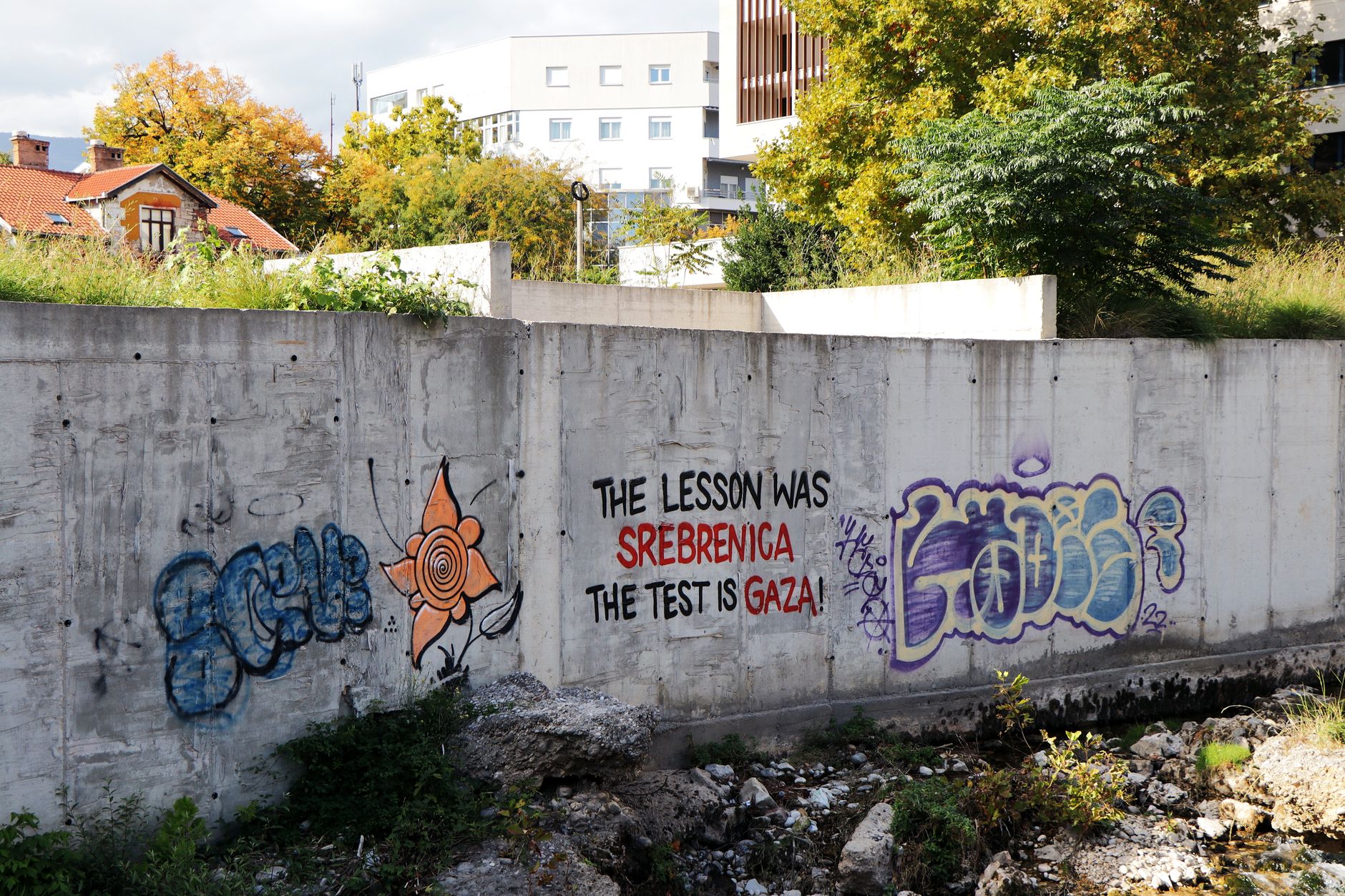
In a startling pronouncement, Milorad Dodik, the Bosnian Serb leader, declared Bosnia-Herzegovina as 'dead', propelling a wave of unease throughout the region. Addressing his supporters in Banja Luka, Dodik labelled the country 'impossible', a sentiment that resonates with the nationalist undercurrents pervading his party, the Alliance of Independent Social Democrats (SNSD).
Such rhetoric is not new from Dodik, yet it comes at a time when Bosnia remains precariously balanced on the edge of ethnic and political fragility. The country, one of Europe’s poorest, is still healing from the scars of a brutal war in the 1990s, following its declaration of independence from Yugoslavia.
A History of Division
Since the war, Bosnia-Herzegovina has been governed under a complex and often cumbersome administrative structure designed to maintain peace among its three major ethnic groups: Bosniaks, Croats, and Serbs. Dodik's remarks, however, underscore a longstanding frustration with this arrangement, particularly from the Serb-majority entity, Republika Srpska, which he leads.
While Dodik’s comments may be dismissed by some as mere populist posturing, they hold the potential to exacerbate tensions. The international community, particularly the European Union, has kept a wary eye on the Balkans, a region where ethnic divisions have often erupted into conflict.
International Reactions
Western diplomats have urged restraint and dialogue, fearing that such incendiary language could unravel years of peacebuilding efforts. The EU has reiterated its commitment to Bosnia's territorial integrity, but Dodik's provocations have undoubtedly tested the patience of international observers.
Analysts caution that the real risk lies not in Dodik’s rhetoric itself but in the potential for it to embolden similar sentiments among other nationalist factions within Bosnia. The country’s future hinges on the delicate balance of power and the willingness of its leaders to engage in constructive dialogue.
As Bosnia grapples with its identity and future on the European stage, the world watches closely, hoping that history does not repeat itself in a region all too familiar with the perils of division.