Drones Bring Life to China's Taklamakan Desert
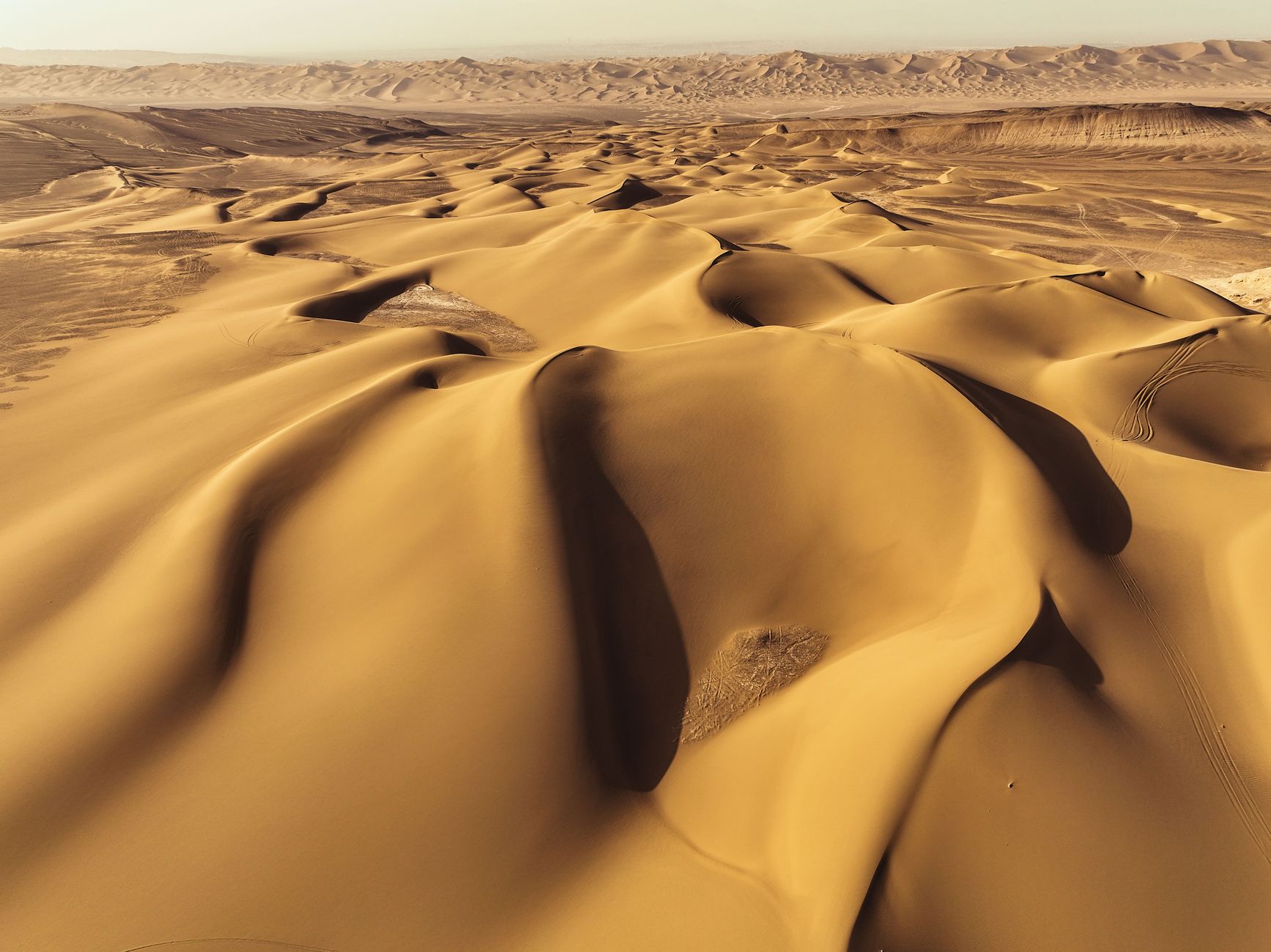
For centuries, the Taklamakan Desert has been a vast, inhospitable expanse, ominously known as the 'Sea of Death'. Yet, a combination of nature's bounty and human ingenuity is transforming this landscape into a burgeoning green belt.
This transformation hinges on the floodwaters of the Yurungkax River, which have created a rare opportunity for ecological restoration. Utilising drones, seeds are now systematically sown across the desert's sandy terrain, a technological symphony of precision and efficiency. As these seeds take root, the desert's harsh visage softens, offering glimpses of a greener future.
China's efforts are part of the ambitious Three-North Shelterbelt Forest Programme, which has encircled the Taklamakan with a green belt stretching over 3,000 kilometres. Advanced technologies such as photovoltaic systems and eco-agriculture complement traditional methods, enhancing the resilience of this ecological barrier.
Techniques like grass checkerboard stabilisation and the introduction of drought-resistant vegetation have proven effective against mobile sand dunes, once the bane of this desert. The results are visible from space, with satellites detecting a stronger 'green' signal and a measurable reduction in carbon dioxide levels.
The implications extend beyond environmental restoration. As the desert greens, it offers a blueprint for combating desertification worldwide. The Taklamakan's transformation demonstrates how technology can ally with nature to address one of the planet's most pressing challenges.
As the seeds sown by drones flourish, the Taklamakan Desert may soon shed its fearsome moniker, becoming a testament to human innovation and resilience.