Durga Puja in Bengal: A Festival of Uneven Economic Fortunes
As the drumbeats of Durga Puja resonate across Bengal, echoing the age-old traditions and vibrant celebrations, the economic reverberations tell a different story. While the festival is a time of spiritual reflection and community gathering, it also marks a pivotal season for business in the region.
For larger enterprises, the festival often translates into a golden opportunity. Increased footfall in shopping centres and bustling markets means brisk sales of everything from traditional attire to modern gadgets. In Kolkata, which remains the epicentre of the celebrations, business is booming for high-end retailers and well-established brands.
Uneven Gains
Yet, this prosperity is not evenly distributed. Small traders, who form the backbone of Bengal's economy, find themselves grappling with a different reality. For many, the costs of producing goods for the festival have risen, but the returns are not as generous. The proliferation of online shopping and the dominance of large retailers have exacerbated these challenges, leaving smaller businesses to compete in an increasingly difficult environment.
The contrast is stark. While some pandal organisers report record sponsorship deals and robust visitor numbers, others lament the rising costs of materials and labour. The price of fish, a staple during the festival, has also soared, affecting both vendors and consumers.
A Cultural and Economic Pivot
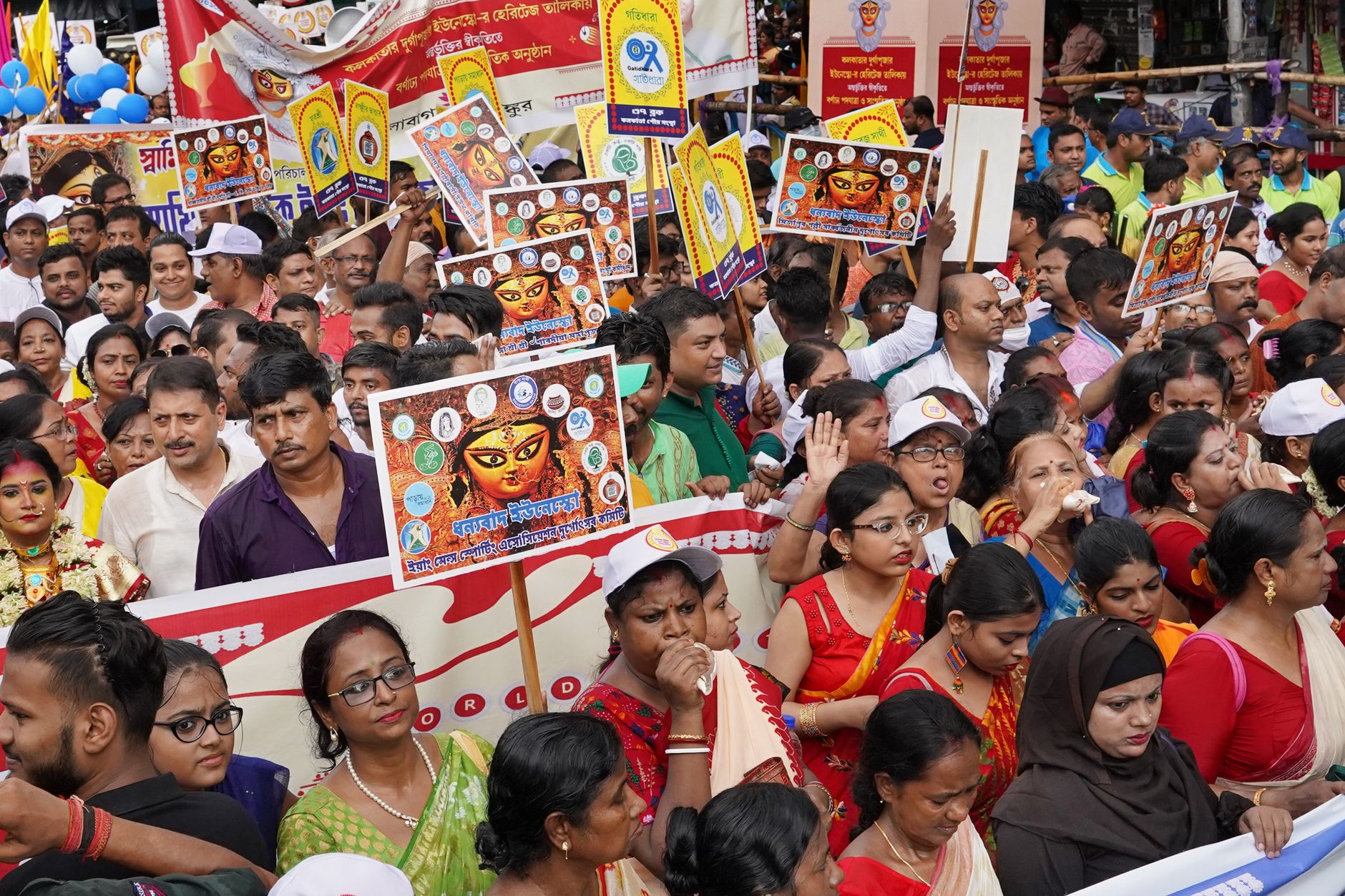
Durga Puja is more than just a festival; it is a cultural phenomenon that draws people from across the globe to Bengal. Recognised by UNESCO as an Intangible Cultural Heritage, it is a time when the state's creativity and hospitality are on full display.
However, for those whose livelihoods depend on the festival, it is also a period fraught with economic uncertainty. The state's government has announced initiatives to support smaller traders, but the effectiveness of these measures remains under scrutiny.
As the celebrations continue, the streets of Bengal remain a tapestry of colour and sound. Yet beneath the surface, the festival's dual nature as both a cultural and economic event becomes ever more apparent. For many, the challenge is not just to celebrate, but to survive.