Dutch Scientists Pave Way for Greener Solar Panel Recycling
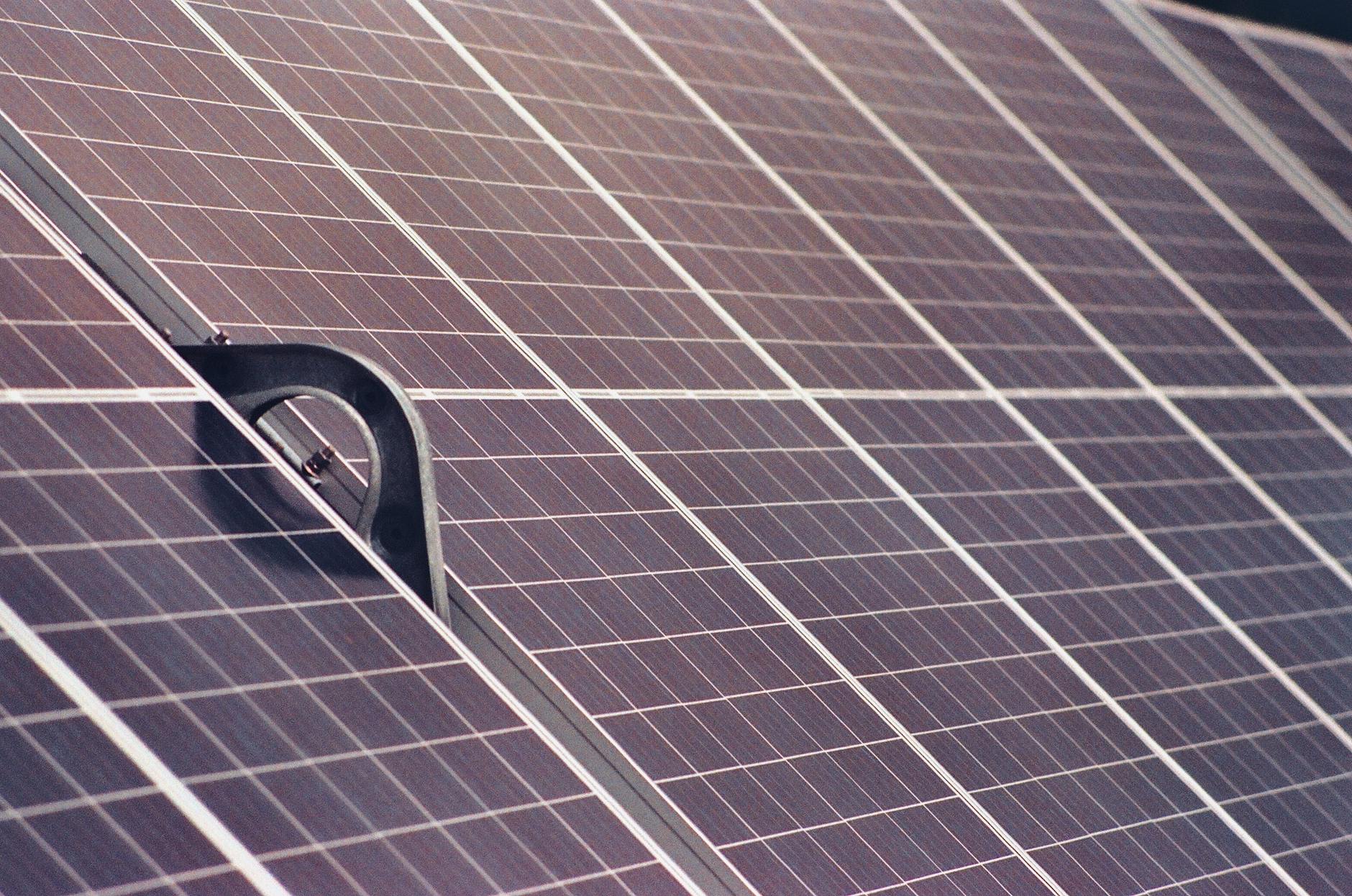
In the bustling laboratories of the Netherlands, a team of scientists has harnessed the power of lasers to revolutionise solar panel recycling. This cutting-edge technology promises not just a solution to the mounting issue of solar waste, but an opportunity to extract and reuse valuable materials from decommissioned panels.
Solar panels, once hailed as the paragons of clean energy, face a growing challenge as their components reach the end of their lifecycle. With millions of panels set to be retired in the coming decades, the question of what to do with these photovoltaic relics has loomed large. Traditional recycling methods have often been criticised for their inefficiency and environmental footprint. Enter the Dutch innovation: a laser-driven process that promises to do the job cleaner and more efficiently.
The Science Behind the Innovation
Utilising lasers, the new technique can precisely separate materials such as silicon and precious metals from the glass and plastic layers of solar panels. Not only does this method promise higher recovery rates, but it also significantly reduces the energy required for recycling. This is no small feat, given the energy-intensive nature of previous processes.
Dr. Miriam van der Meer, leading the project, remarked, "Our goal was not only to improve efficiency but to set a new standard for sustainability in the recycling industry." Her team believes that this technology could extend the lifecycle of raw materials, thus reducing the need for mining and lowering the overall carbon footprint of solar energy production.
Implications for the Future
As the world grapples with climate change, innovations like these offer a glimmer of hope. Solar energy, already a cornerstone of renewable strategies, could become even more sustainable through enhanced recycling techniques. Policymakers and industry leaders are watching closely, with the possibility of integrating such advancements into broader environmental policies.
The implications stretch beyond environmental benefits. Economically, the ability to recover and reuse materials could create new market opportunities and jobs within the green tech sector. With countries around the world striving to meet ambitious climate targets, the Dutch development could well be a significant piece of the puzzle.
In conclusion, while the laser may be a small tool, its potential impact on solar panel recycling is anything but. As the Dutch lead the charge in this innovative field, the rest of the world may soon follow, paving the way for a more sustainable future.