Dutch Scientists Turn Office Urine into Electricity and Nutrients
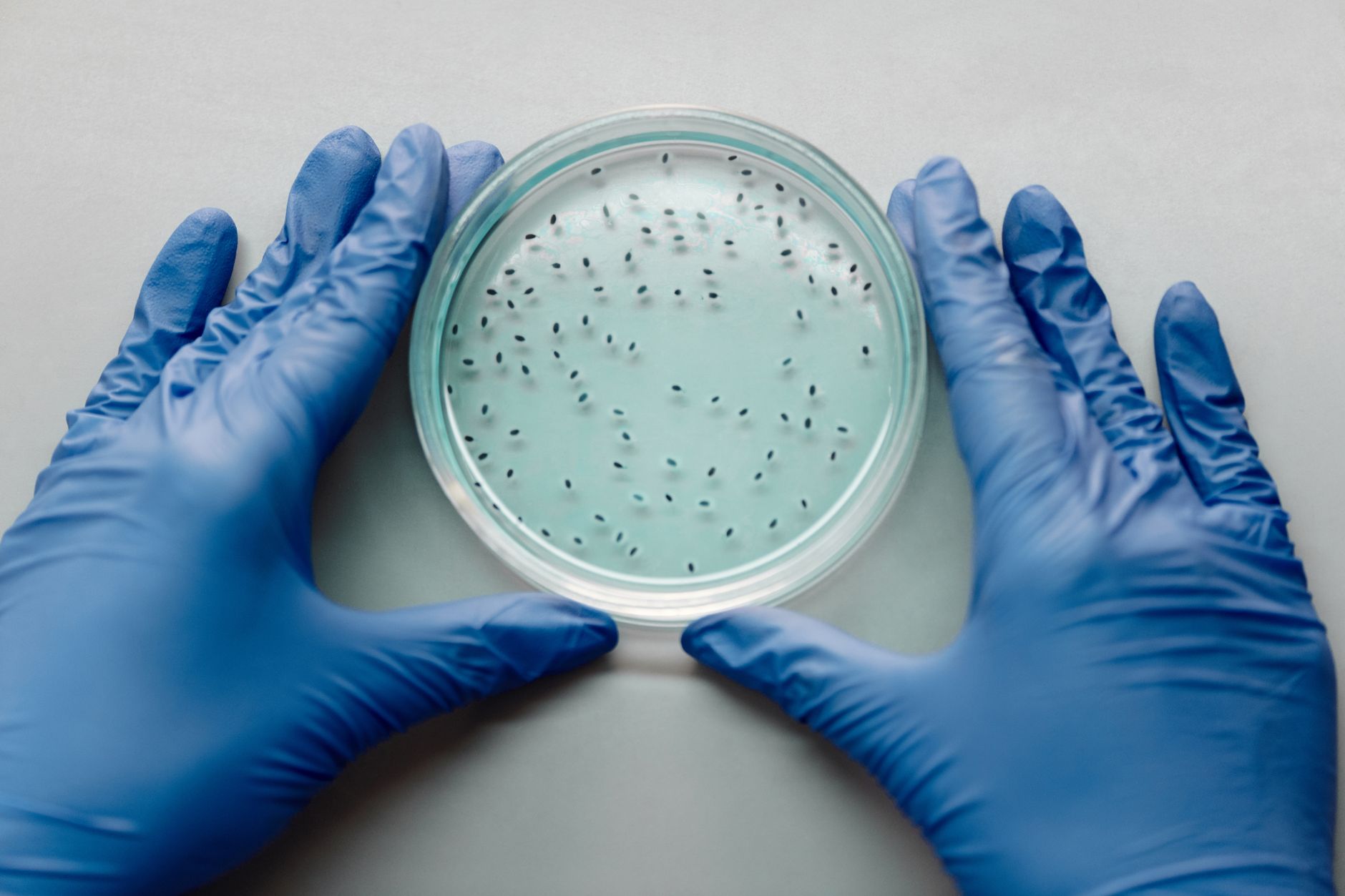
In a remarkable twist of scientific ingenuity, Dutch scientists have successfully transformed office urine into a source of electricity and nutrients. The team, employing a microbial fuel cell, has managed to generate more energy than the system consumes—marking a significant stride in sustainable technology.
The process is as fascinating as it is efficient. Using bacteria housed in specialised cells, the fuel cell converts the electrolytes in urine into electrical energy. Not only does this mechanism produce electricity, but it also facilitates the recovery of valuable nitrogen, a vital nutrient for agricultural applications.
A Sustainable Energy Solution
This innovative approach addresses two pressing global challenges: energy sustainability and waste management. With energy demands surging worldwide, the ability to harness power from waste products presents a tantalising prospect. Furthermore, the recovery of nitrogen offers a dual benefit, potentially reducing reliance on synthetic fertilisers.
The project is not without its challenges. Scaling up from a lab-sized reactor to industrial applications poses significant hurdles. Yet, the potential rewards make it a pursuit worth following. The surplus energy generated—3.46 kilojoules per gram of nitrogen—suggests that, with further refinement, this technology could offer a viable complement to existing renewable energy sources.
Implications for the Future
While the concept of using bacteria for energy is not entirely new, this particular application demonstrates a practical, eco-friendly alternative to traditional waste disposal and energy methods. It could revolutionise how office buildings and other urban infrastructures manage waste, turning an everyday nuisance into a valuable resource.
The broader implications are immense. By reimagining waste as a resource, we could significantly reduce environmental footprints and foster a circular economy. As researchers refine the technology, the humble office loo could become a surprising ally in the fight against climate change.