
Earth's Accelerating Warming: Unveiling the Alarming Clues
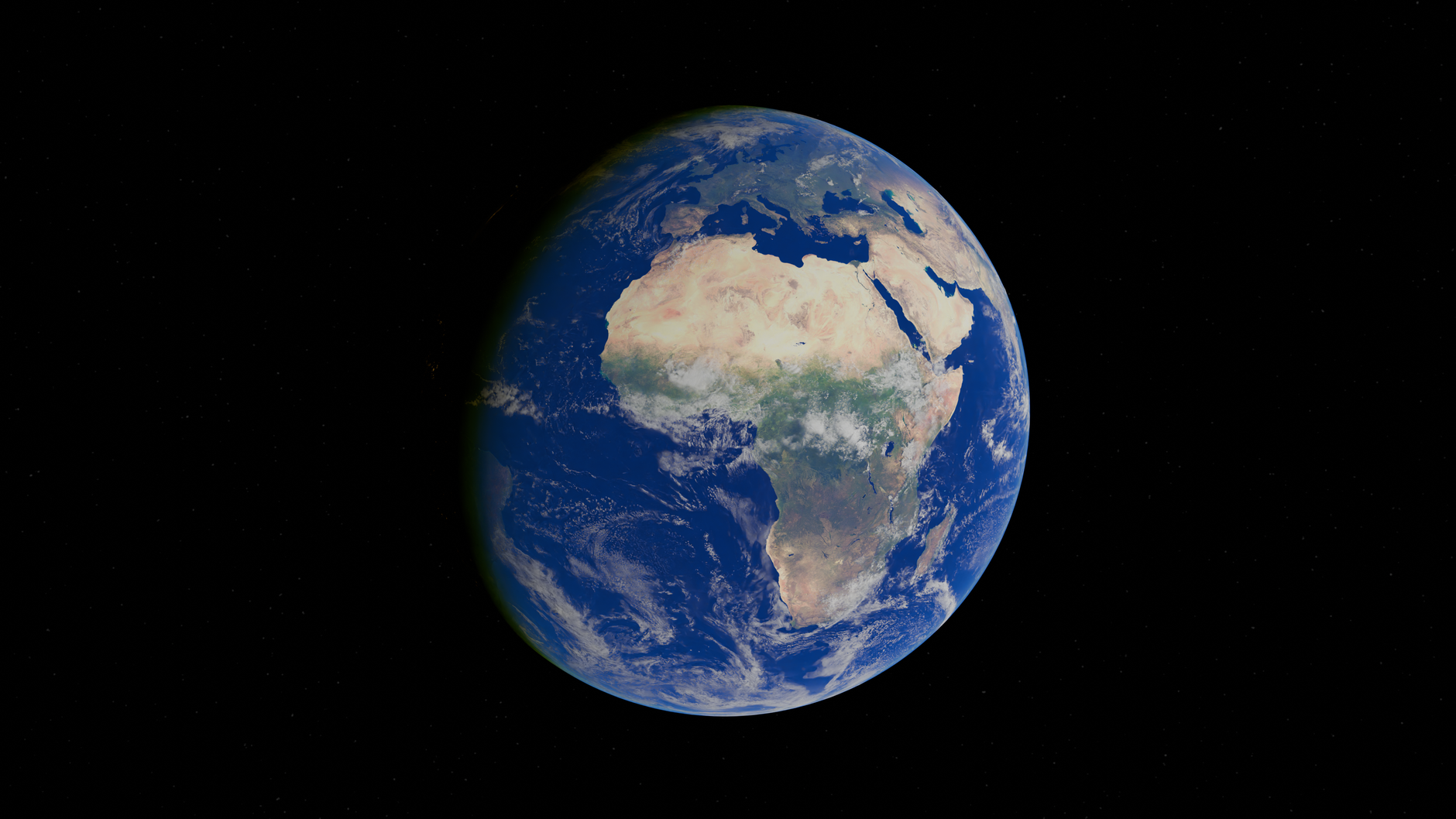
As the planet's climatic tapestry unfolds, recent scientific investigations have begun to unravel a disconcerting reality: Earth might be heating up faster than previously believed. While many may have hoped for a more temperate progression, the latest data suggests otherwise, compelling policymakers and scientists alike to reassess their strategies.
Central to this unfolding drama are the roles played by clouds and atmospheric ozone. Clouds, often seen as the whimsical architects of our skies, hold a dual role in climate regulation. They possess the ability to reflect solar radiation, thus cooling the Earth, or conversely, to trap heat, exacerbating warming. Recent findings indicate that the latter effect might be more pronounced than optimistically assumed.
Adding to the complexity is ozone's impact on global temperatures. Long considered a secondary player in the greenhouse gas league, ozone is now recognised for its more significant warming potential. New research has revealed that its influence on climate change rivals that of carbon dioxide and methane, thereby altering the narrative around greenhouse gas priorities.
Revisiting Climate Models
The revelations concerning clouds and ozone necessitate a reevaluation of existing climate models. For decades, scientists have relied on these models to predict future climate scenarios, but the emerging data suggests that these predictions might have underestimated the pace and intensity of global warming. This, in turn, could have profound implications for international climate agreements and national policy frameworks.
Moreover, the discovery that Earth's initial formation occurred more rapidly than previously thought provides a broader cosmic perspective. It implies that other planets could form under similar timelines, potentially harbouring conditions favourable for water and life. This cosmic angle adds an intriguing layer to our understanding of planetary evolution and its implications for life beyond Earth.
Urgency in Policy and Action
The implications of these findings are manifold. They call for a more urgent and robust response to climate change at both international and local levels. Governments must now consider integrating these new insights into their environmental policies, potentially revising emission targets and mitigation strategies. The scientific community is also tasked with refining climate models to incorporate these findings, ensuring they accurately reflect the planet's current trajectory.
In conclusion, as the evidence mounts, the world faces a crucial juncture. The trail of clues pointing to a faster warming planet underscores the need for immediate and decisive action to mitigate the effects of climate change, safeguarding the future for generations to come.


