El Niño: Separating Fact from Fiction in Climate Discourse
In the world of climate phenomena, El Niño is akin to the celebrity who garners attention with every appearance, whether for the right reasons or not. This atmospheric disruptor, characterised by the warming of ocean surface temperatures in the central and eastern Pacific, has been the subject of both fervent debate and hyperbolic warnings.
Experts Jonathan Watts and Gabrielle Canon recently addressed these swirling concerns in a live Q&A session. As the Guardian's environment writers, they are no strangers to the complexities of global weather patterns. Their discussion aimed to demystify the hyperbole often associated with El Niño.
Understanding the Science
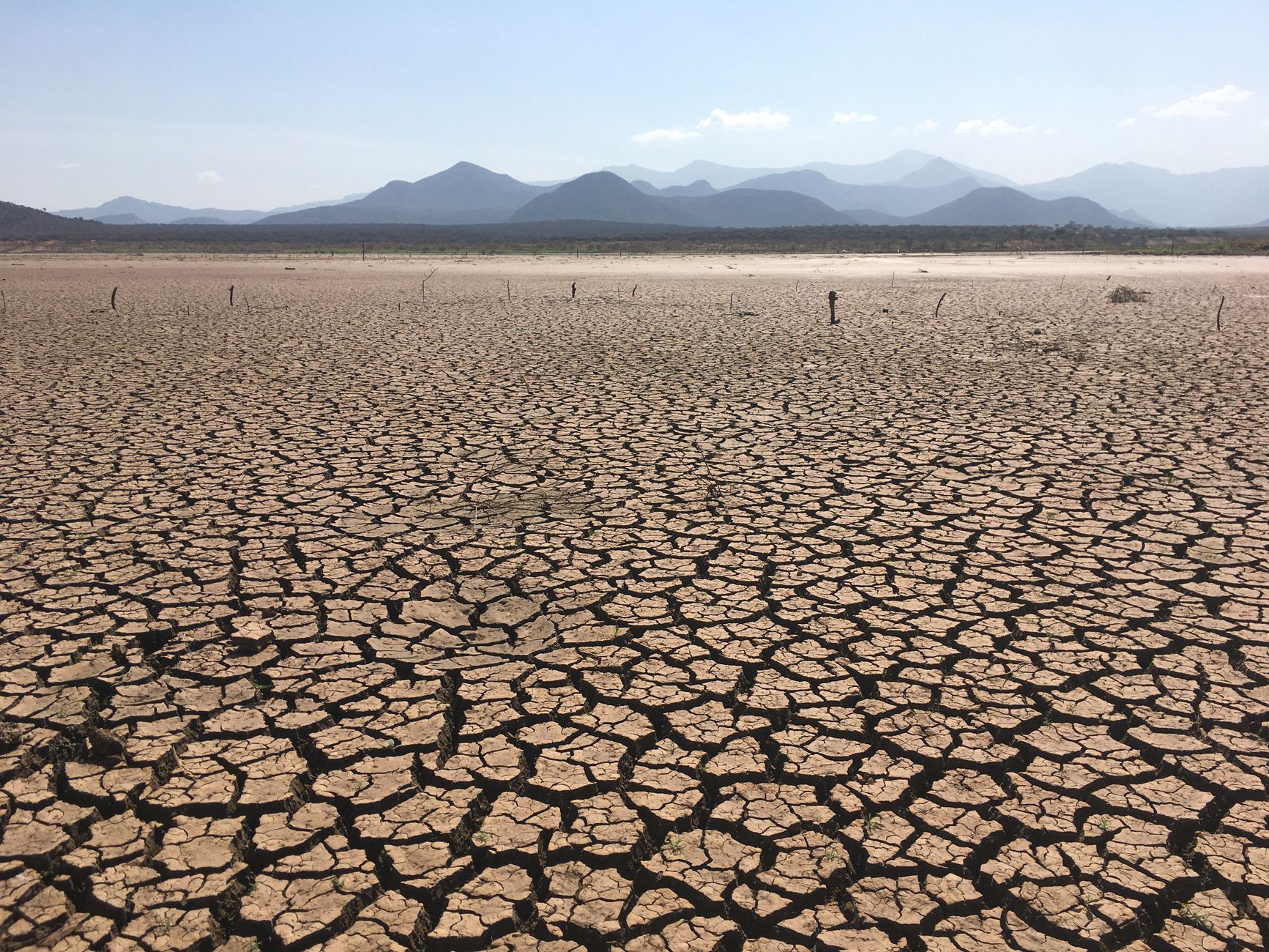
El Niño, as Watts explained, is not merely a harbinger of doom. While it does increase the likelihood of extreme weather events—such as droughts in some regions and heavy rainfall in others—the manifestation of these effects varies greatly. It's this inconsistency that often fuels sensational headlines.
Canon, who focuses on extreme weather reporting, emphasised that understanding El Niño requires a nuanced approach. "It’s not about predicting disaster," she noted, "but rather preparing for a spectrum of possibilities." This year, the World Meteorological Organization has warned that we could see exacerbated droughts and heatwaves, both on land and in the ocean.
The Human Factor
Beyond the scientific mechanics, there's the human dimension to consider. For communities worldwide, particularly those in vulnerable regions, El Niño's impact can be profound. Economic activities, especially agriculture and fisheries, might face disruptions. Thus, preparation and adaptation become crucial.
The anticipation of an El Niño winter in the Northern Hemisphere has prompted diverse reactions. Some are stockpiling essentials, while others are reinforcing infrastructure. Yet, as Watts and Canon observed, the most effective response often lies in informed awareness and pragmatic planning.
Looking Forward
As the session concluded, one thing remained clear: El Niño is neither an overblown myth nor a guaranteed catastrophe. It is a complex natural event that requires careful analysis and public discourse grounded in fact, not fear. As the world braces for its challenges, the dialogue initiated by Watts and Canon serves as a vital reminder of the balance between caution and calm.