El Niño: Separating the Hype from Reality
When it comes to El Niño, the public discourse is often a mixture of genuine concern and scepticism. But are the warnings merely hype, or is there substantial cause for worry? This was the pressing question put to Jonathan Watts and Gabrielle Canon, two seasoned environment writers from The Guardian, during a recent Q&A session.
El Niño, a recurring climate phenomenon, is notorious for disrupting weather patterns across the globe. As the Pacific Ocean's surface temperatures rise, the ripple effects can lead to extreme weather, from torrential rains to searing heatwaves. Yet, the severity of these impacts can vary considerably.
During the session, Watts and Canon delved into the science of El Niño, explaining that while forecasts do predict more extreme weather events, the situation is far from uniform across the globe. "It's crucial to understand that El Niño doesn't affect all regions equally," Watts noted, emphasising the importance of regional specificity in predictions.
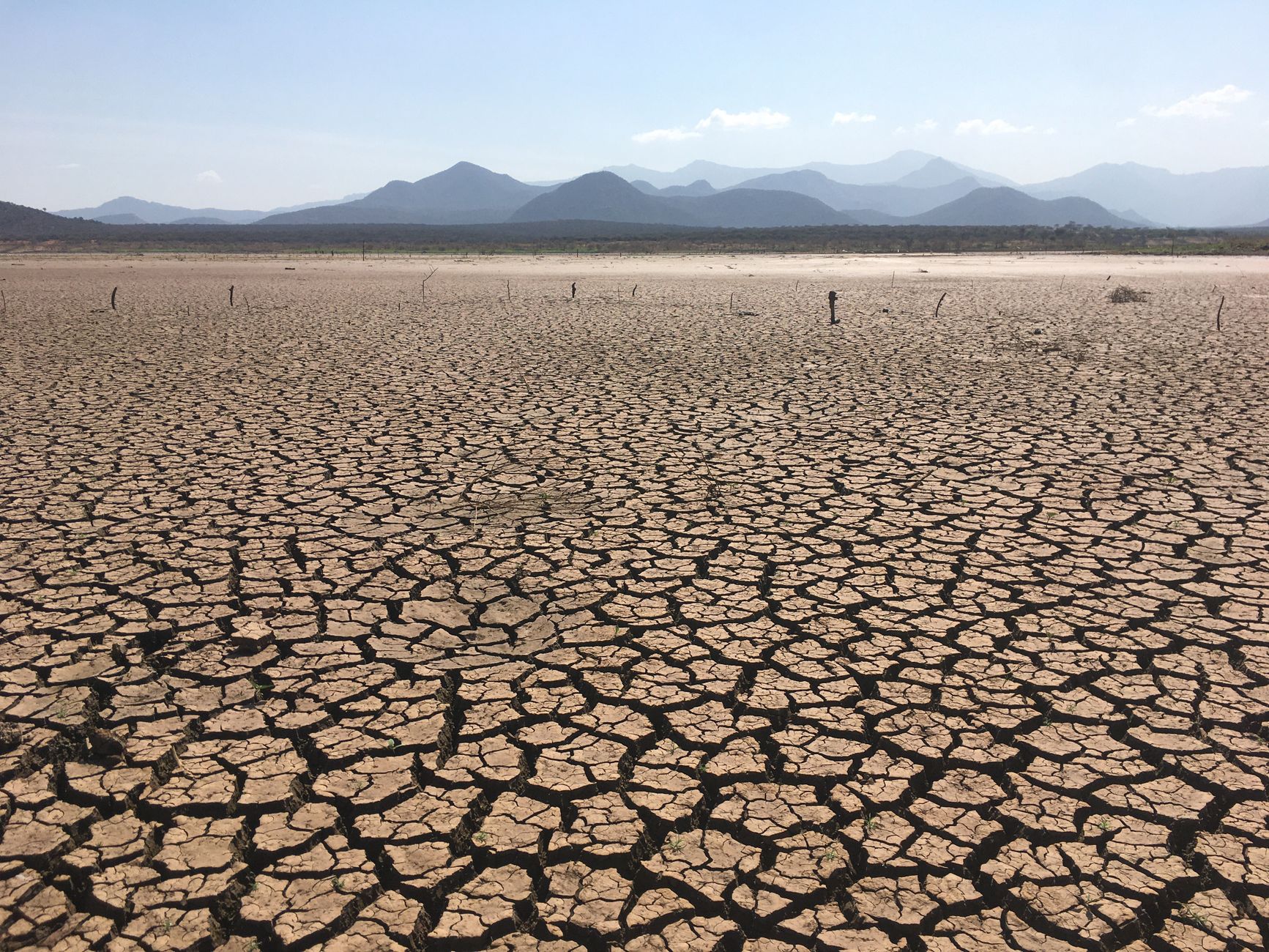
Indeed, the World Meteorological Organization has highlighted that a strong El Niño could exacerbate drought conditions in some areas while causing floods in others. For example, parts of Asia may see heavier monsoons, whereas Southern Africa could face prolonged dry spells.
Many attendees were particularly concerned about the implications for the UK. Canon reassured them, stating that while the UK might see milder winters, the most severe effects are likely to be felt elsewhere. "The real question," Canon pondered, "is not just about the weather, but how prepared we are to adapt to these changes."
The session concluded with a call to action: understanding and preparation are key. As the climate continues to change, the role of accurate information and timely action becomes ever more critical. While the warnings may sound alarming, they serve a vital purpose in urging governments and communities to bolster resilience against potential disruptions.