
Elusive Dark Matter: Scientists Close In on Cosmic Enigma
In the shadowy depths of the universe, where light barely dares to tread, scientists may have caught a glimpse of one of cosmology's greatest puzzles: dark matter. After nearly a century of relentless pursuit, researchers have reported what they believe could be the first hint of this elusive substance.
Conducted deep underground in a laboratory designed to shield against the cosmic noise that bombards our planet, the experiment observed a tiny flash of light. This flicker could be the signature of Weakly Interacting Massive Particles, or WIMPs, which are hypothesised to make up dark matter.
The implications of this potential breakthrough are profound. Dark matter is thought to account for about 27% of the universe's mass-energy content, yet it has remained invisible, detectable only through its gravitational effects on galaxies and cosmic structures.
Gamma Rays: A Cosmic Clue
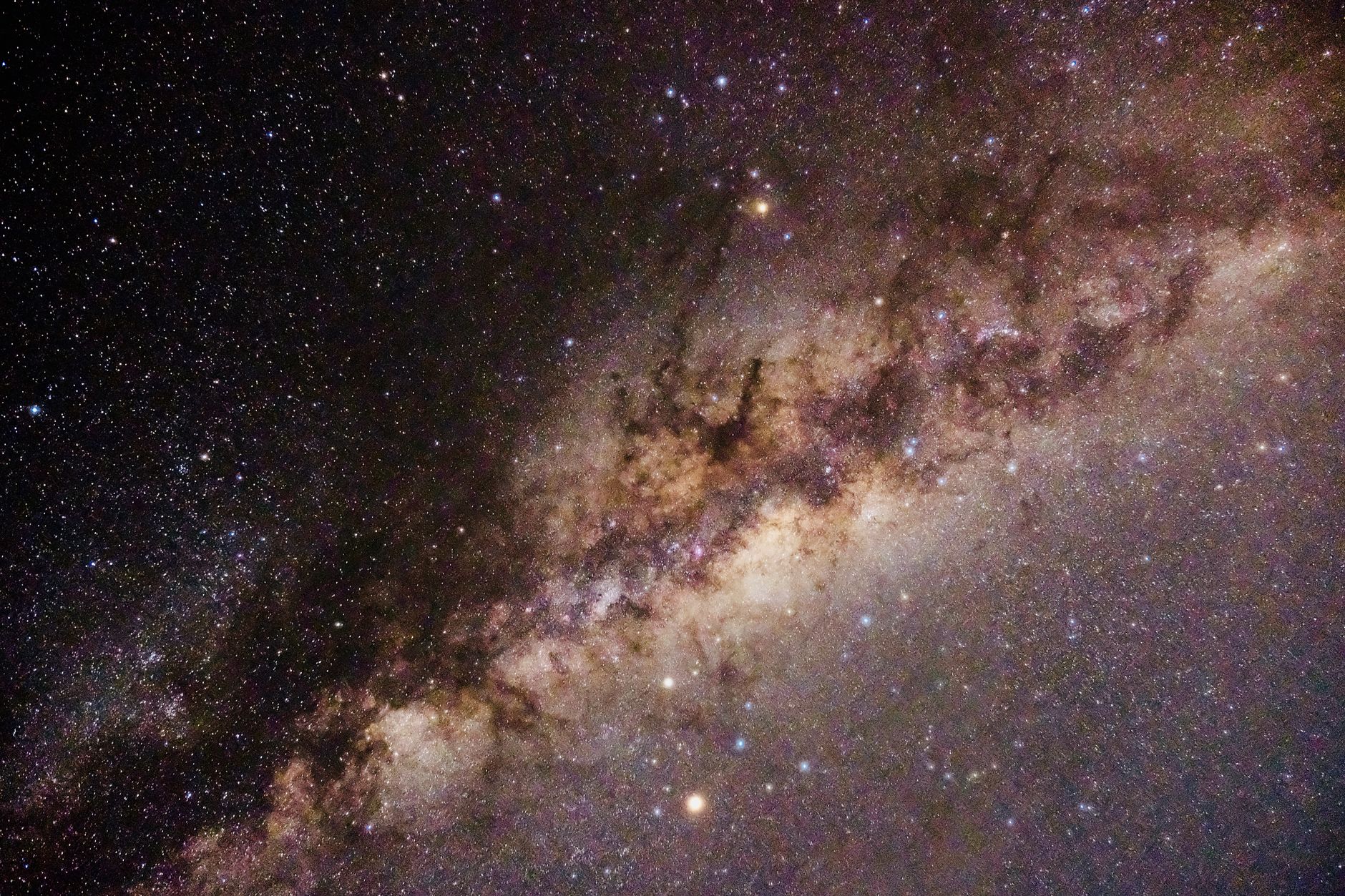
Scientists have long speculated that dark matter might emit or interact with gamma rays, the universe's most energetic form of electromagnetic radiation. Recent observations from the centre of the Milky Way suggest gamma rays are behaving in a manner consistent with dark matter models.
However, caution is warranted. The scientific community is acutely aware of the need for verification. Independent analyses are crucial to confirm these findings, especially in a field littered with false starts and tantalising near misses.
The Quest Continues
Despite the excitement, researchers are keenly aware that this is but a step forward in an ongoing journey. The detection of dark matter would not only validate decades of theoretical work but also open new avenues for exploring the fundamental nature of the cosmos.
Should these findings hold up, we may finally begin to understand the true nature of the universe's 'dark side', a realm that has long eluded scientific inquiry but promises to unlock some of the universe's deepest secrets.


