Embracing Tradition: A New Era for Public Health in the Americas
When one thinks of healthcare innovation, the mind often leaps to cutting-edge technology or groundbreaking pharmaceuticals. However, a recent dialogue in Peru has spotlighted a less conventional, yet equally potent, form of innovation: the integration of traditional and modern medical practices.
On 13 May 2026, in the city of Lima, the government agency EsSalud hosted a regional dialogue titled 'Innovative Experiences to Strengthen Health and Self-Care through Traditional, Complementary, and Integrative Medicine.' The event gathered health experts and policymakers from across the Americas, including representatives from the World Health Organization and the Pan American Health Organisation.
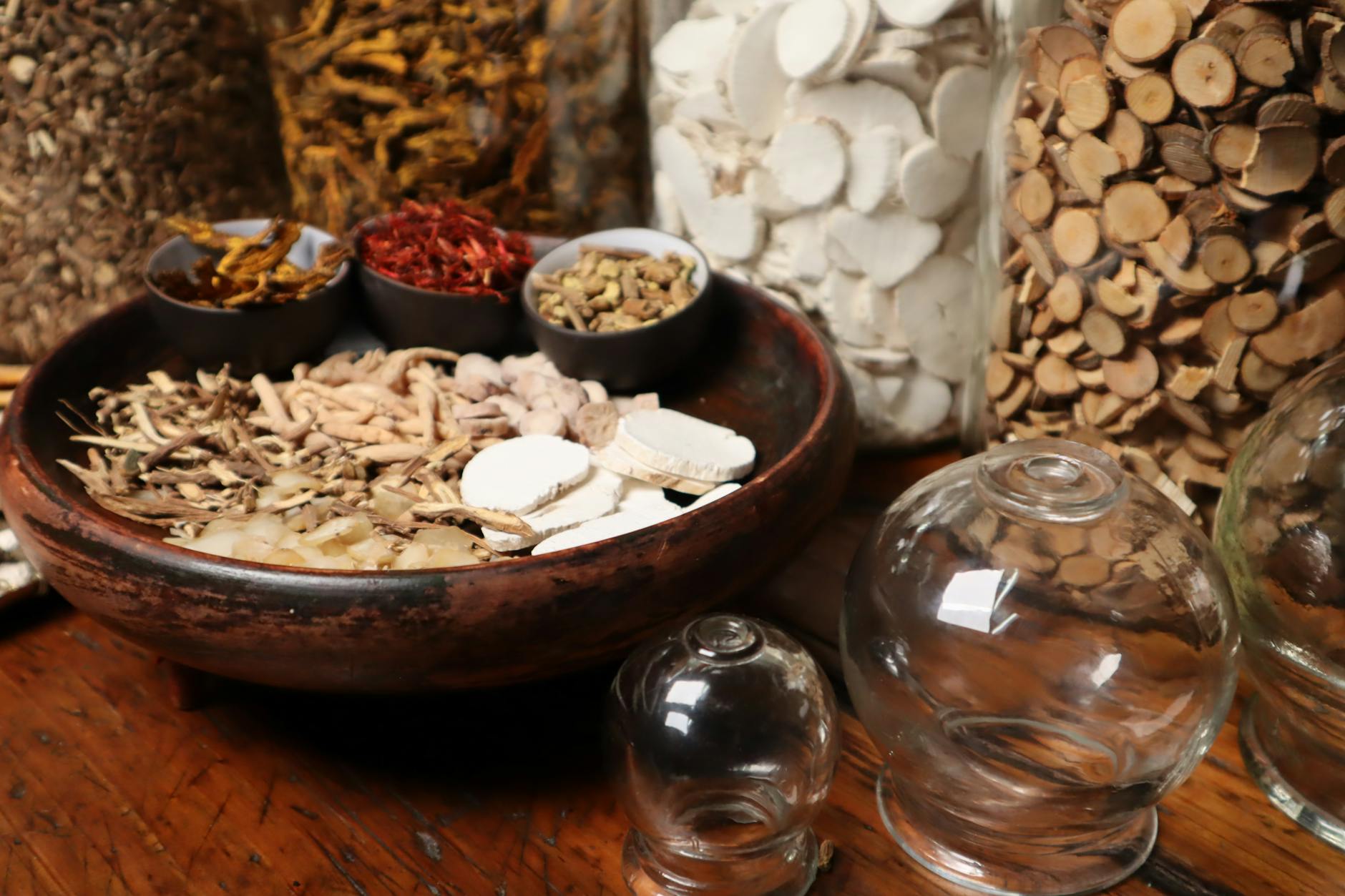
The dialogue underscored a growing recognition of the role traditional practices play in public health. From herbal remedies long used by indigenous communities to the healing arts like acupuncture, these practices are being reevaluated and integrated into contemporary healthcare systems.
Preserving Heritage, Promoting Health
At the heart of this initiative is a desire to preserve cultural heritage while advancing public health goals. Traditional medicine, often viewed with a sceptical eye by the modern medical establishment, is finding its place alongside contemporary treatments. This synthesis not only honours cultural identities but also expands the toolkit available to healthcare providers.
For instance, integrating traditional practices with modern medicine can enhance patient engagement and satisfaction. Patients often find comfort in familiar practices, which can improve adherence to treatment regimens and promote overall well-being.
A Holistic Approach
Proponents of this integrative approach argue that it offers a more holistic path to health. By recognising the value of both traditional knowledge and modern medical advances, health systems can provide more comprehensive and culturally sensitive care.
Moreover, this approach aligns with the broader movement towards self-care. Encouraging individuals to take an active role in their health, using both traditional and modern practices, can lead to better health outcomes and reduced strain on healthcare systems.
While challenges remain in ensuring quality assurance and regulation, the potential benefits of blending tradition with innovation in healthcare are immense. As the Americas continue to explore this path, they could well set a precedent for the rest of the world.