England Faces Severe Drought Amidst Record Heatwaves
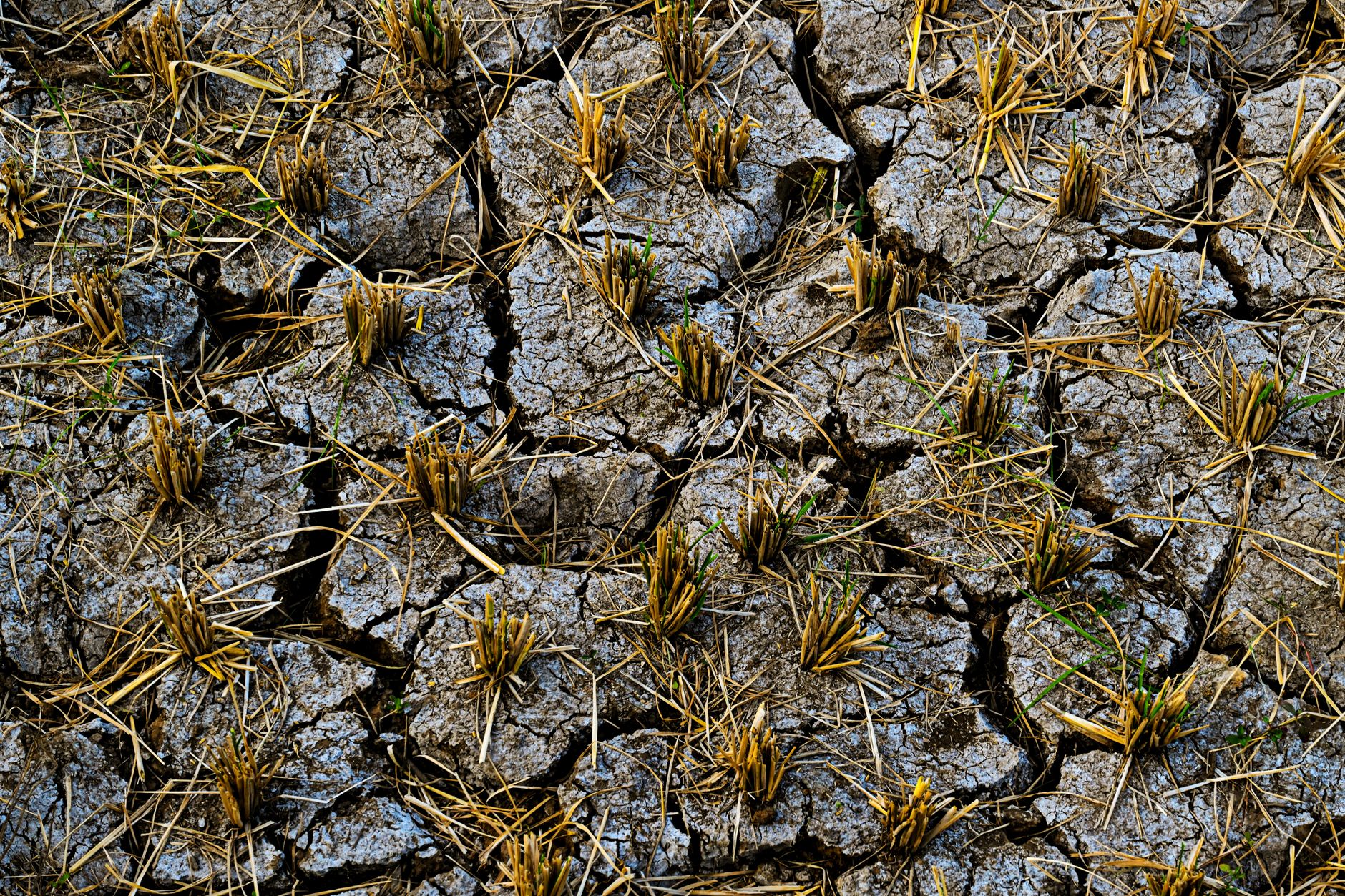
In a startling reminder of the changing climate, half of England has been declared in drought by the Environment Agency. The declaration follows a prolonged period of record-breaking heatwaves and abysmally low rainfall, which have collectively turned vast stretches of the country into arid landscapes.
The decision affects central, eastern, and southern parts of England, where fields have turned brown and rivers have dwindled to trickles. In some areas, reservoir levels have plummeted to as low as 84% of their capacity, raising alarms over the sustainability of water supplies.
Farmers are among the hardest hit, facing crop failures and a grim outlook for the harvest. The National Farmers' Union has called for urgent government support, warning that the drought could lead to significant shortages of home-grown produce and rising food prices.
Wildlife, too, is suffering. Habitats have shrivelled, and species dependent on wetland environments are at risk as ponds and streams dry up. Conservationists fear long-term damage to ecosystems if the drought persists.
Government and Public Response
The government has urged the public to conserve water, emphasising the need for responsible usage. Water companies have implemented hosepipe bans in several regions to curb excessive consumption.
Environment Secretary, Therese Coffey, has reassured residents that measures are in place to manage the crisis. However, she acknowledged that the situation is a stark indicator of climate change's impact on the UK.
"We are facing unprecedented challenges, and while we are prepared, we must continue to adapt and innovate to secure our water resources for the future," Coffey stated in a press briefing.
Long-term Implications
As England braces for what is predicted to be the driest July on record, the long-term implications of such weather extremes are becoming increasingly apparent. Climate scientists warn that if current trends continue, droughts will become more frequent and severe, necessitating a profound shift in water management and conservation strategies.
The drought declaration serves as a wake-up call, underscoring the urgent need for sustainable practices and infrastructure to mitigate the effects of future climate events.